The Ultimate Yeast Rolls Recipe
I know life can get wonderfully chaotic, and sometimes, dinner feels like a race against the clock. That’s why I’m always on the lookout for those magical recipes that bring comfort and joy without demanding hours of your precious time. Today, I’ve got a real gem for you: the ultimate yeast rolls. These aren’t just any rolls; they’re fluffy clouds of deliciousness that take about 3-4 hours from start to finish, including that essential rise time. Get ready to impress yourself and your loved ones with these delightful yeast rolls!
Why You’ll Love These Yeast Rolls
You’re going to fall head over heels for these yeast rolls for so many reasons! They are incredibly soft, with a melt-in-your-mouth texture that’s simply irresistible. Plus, they are surprisingly easy to make, perfect for those weeknights when you crave something homemade but are short on time. These versatile yeast rolls are ideal for any occasion, from casual dinners to holiday gatherings. And the best part? They come together with just a few simple, pantry-staple ingredients. They also pair beautifully with French onion pot roast for an ultra-comforting meal.
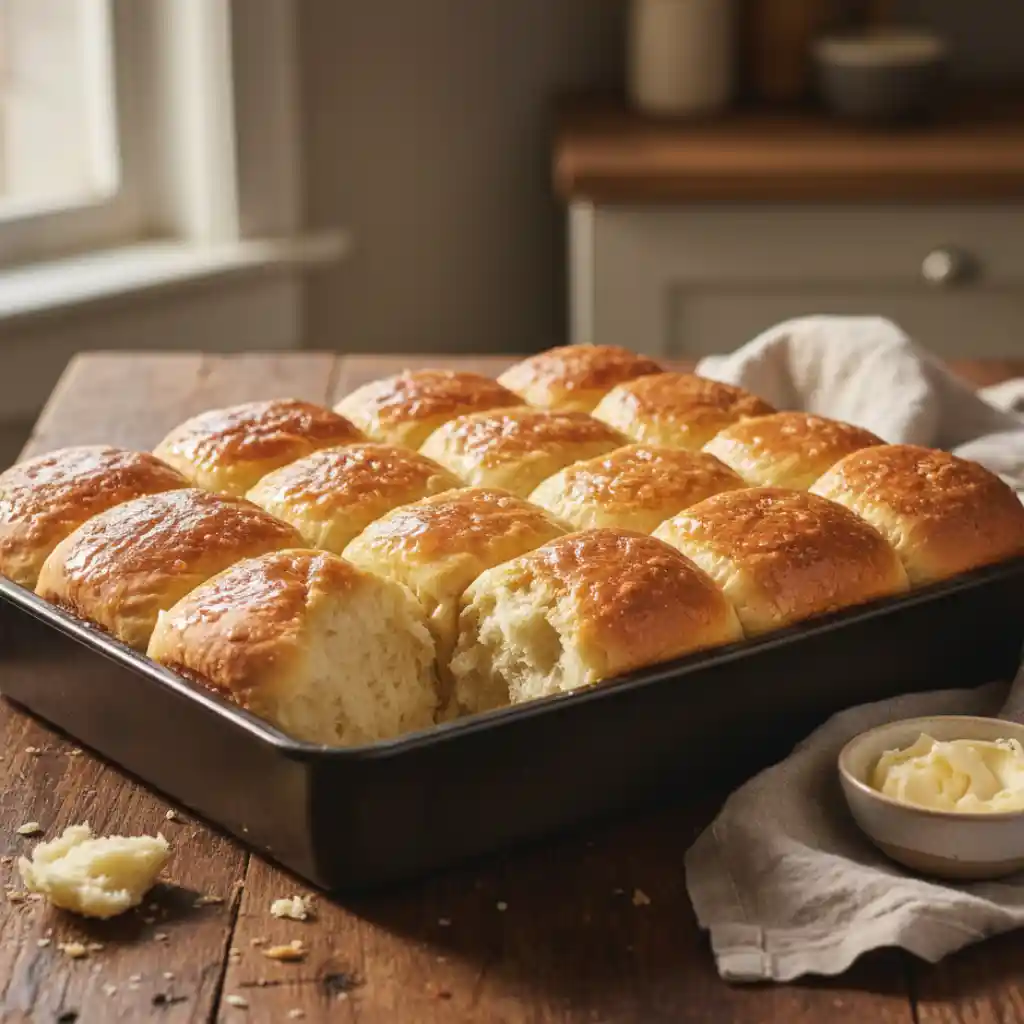
Ultimate Fluffy Yeast Rolls Recipe
Ingredients
Equipment
Method
- Grab your stand mixer and pour in that warm milk. Sprinkle in the instant yeast and 1 tablespoon of sugar, give it a gentle whisk, and let it sit for about 5 minutes. You should see it get a little foamy – that’s the yeast waking up! If you don’t have a stand mixer, no worries! A big mixing bowl and a sturdy spoon will work just fine; it just takes a bit more elbow grease.
- Next, add the remaining sugar, the egg, the softened butter pieces, salt, and 1 cup of flour to the mixer bowl. With the dough hook attached, mix on low for 30 seconds. Then, scrape down the sides with a spatula and add the rest of your flour. Beat on medium speed for about 2 minutes until the dough starts to come together and pull away from the sides of the bowl. If it seems too wet, add more flour, just a tablespoon at a time, until you have a soft, slightly sticky, but manageable dough.
- Now comes the important part: kneading! Let the mixer do its thing on medium speed with the dough hook for another 5 minutes. If you’re kneading by hand on a lightly floured surface, that’s 5 minutes of good, solid kneading. If things get a little sticky, dust your hands or the surface with just a teaspoon of flour at a time – we want soft yeast rolls, not tough ones! After kneading, the dough should feel soft and spring back slowly when you poke it. You can also try the “windowpane test”: gently stretch a small piece of dough until light can pass through without it tearing. If it passes, your dough is perfectly kneaded and ready for its first rise.
- Lightly grease a large bowl with a little oil or cooking spray, place your beautifully kneaded dough inside, and give it a gentle turn to coat. Cover the bowl snugly with plastic wrap, a clean kitchen towel, or foil. Find a cozy, relatively warm spot in your kitchen – think near a sunny window or even in a slightly warmed (then turned off) oven. Let your dough rise for 1 to 2 hours, or until it has doubled in size. This crucial first proof develops the flavor and texture of our yeast rolls.
- Once your dough has puffed up beautifully, gently punch it down to release the air. This prepares it for its second, shorter rise.
- Now, let’s get those rolls ready for their final transformation! Lightly grease your chosen baking vessel. You have a few delightful options! A classic 9×13 inch baking pan is perfect for creating those pull-apart, golden-brown edges. Or, you can opt for two 9-inch square or round pans for slightly smaller batches or individual servings. For a rustic, charming touch, a cast iron skillet works wonders, giving your yeast rolls a beautiful crust. You can even bake them on a parchment-lined baking sheet if you prefer individual rolls. Each pan choice will lend a slightly different character to your final yeast rolls, adding to their charm!
- Once your dough has risen in the pan and looks wonderfully puffy, it’s time for the oven. Adjust your oven rack to a lower position – this helps prevent the tops from browning too quickly before the insides are cooked through. Preheat your oven to 350°F (177°C). Bake the yeast rolls for 20-25 minutes, or until they’re a gorgeous golden brown on top. If you notice them browning a little too fast, don’t fret! Loosely tent the pan with aluminum foil. Once they’re out of the oven, I love to brush them with a warm mixture of melted butter and honey. Oh, it smells divine! Let them cool for just a few minutes before diving in.
- To keep them tasting wonderfully fresh, store any completely cooled rolls tightly covered at room temperature for up to 2-3 days. If you have more than you think you’ll eat within a few days, you can refrigerate them for up to a week. To reheat and bring back that glorious, just-baked softness, I like to wrap a few rolls in foil and warm them in a 300°F (150°C) oven for about 5-10 minutes. You can also microwave them for just a few seconds, but be careful not to overdo it, or they can become a bit chewy.
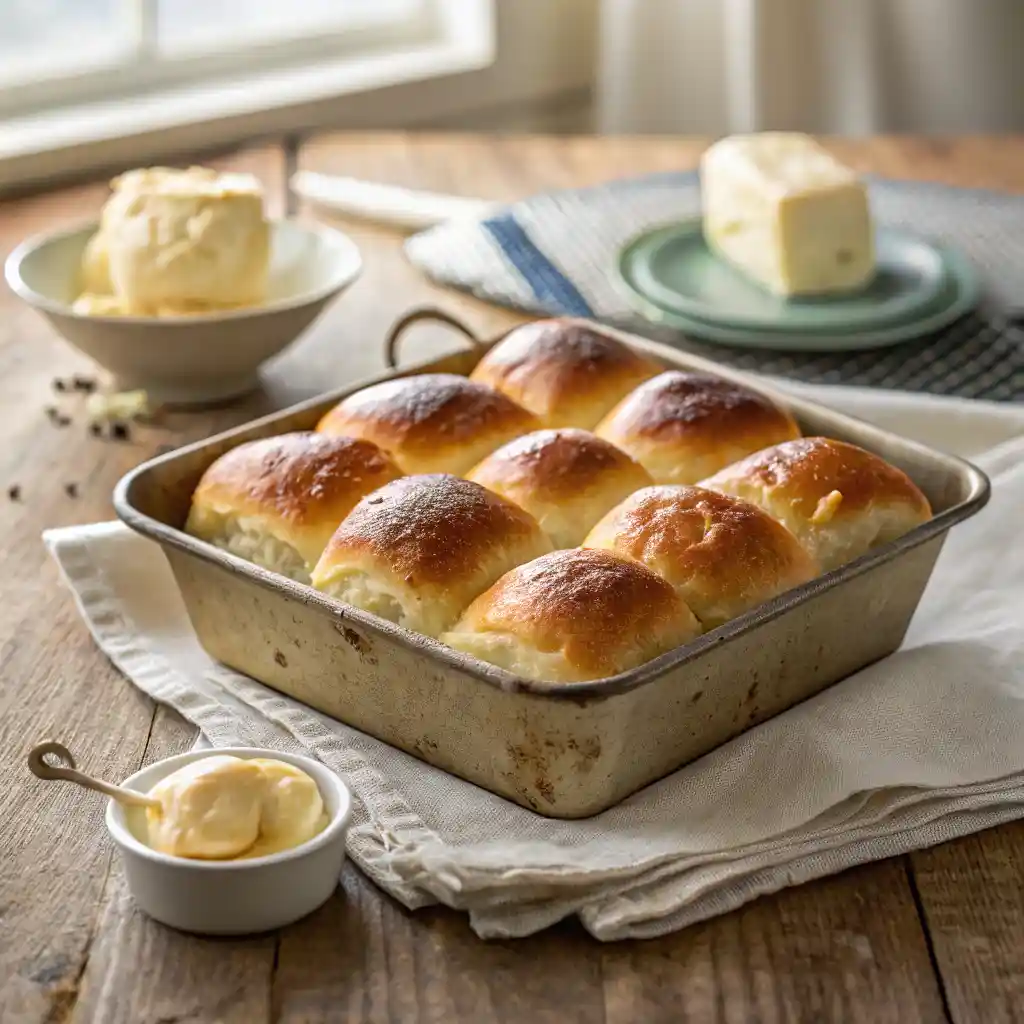
A Deeper Look at Your Yeast Rolls Ingredients
- Warm milk
- Instant yeast (Red Star Platinum)
- Granulated sugar
- Egg
- Unsalted butter (softened)
- Salt
- All-purpose flour or bread flour
How to Make Perfect Yeast Rolls
Alright, let’s get our hands wonderfully doughy and create some magic! Grab your stand mixer and pour in that warm milk. Sprinkle in the instant yeast and 1 tablespoon of sugar, give it a gentle whisk, and let it sit for about 5 minutes. You should see it get a little foamy – that’s the yeast waking up! If you don’t have a stand mixer, no worries! A big mixing bowl and a sturdy spoon will work just fine; it just takes a bit more elbow grease.
Next, add the remaining sugar, the egg, the softened butter pieces, salt, and 1 cup of flour to the mixer bowl. With the dough hook attached, mix on low for 30 seconds. Then, scrape down the sides with a spatula and add the rest of your flour. Beat on medium speed for about 2 minutes until the dough starts to come together and pull away from the sides of the bowl. If it seems too wet, add more flour, just a tablespoon at a time, until you have a soft, slightly sticky, but manageable dough.
Now comes the important part: kneading! Let the mixer do its thing on medium speed with the dough hook for another 5 minutes. If you’re kneading by hand on a lightly floured surface, that’s 5 minutes of good, solid kneading. If things get a little sticky, dust your hands or the surface with just a teaspoon of flour at a time – we want soft yeast rolls, not tough ones! After kneading, the dough should feel soft and spring back slowly when you poke it. You can also try the “windowpane test”: gently stretch a small piece of dough until light can pass through without it tearing. If it passes, your dough is perfectly kneaded and ready for its first rise.
Mastering the Rise: Yeast Roll Dough Proofing
This is where the magic truly happens! Lightly grease a large bowl with a little oil or cooking spray, place your beautifully kneaded dough inside, and give it a gentle turn to coat. Cover the bowl snugly with plastic wrap, a clean kitchen towel, or foil. Find a cozy, relatively warm spot in your kitchen – think near a sunny window or even in a slightly warmed (then turned off) oven. Let your dough rise for 1 to 2 hours, or until it has doubled in size. This crucial first proof develops the flavor and texture of our yeast rolls.
Once your dough has puffed up beautifully, gently punch it down to release the air. This prepares it for its second, shorter rise.
Choosing the Right Pan for Your Yeast Rolls
Now, let’s get those rolls ready for their final transformation! Lightly grease your chosen baking vessel. You have a few delightful options! A classic 9×13 inch baking pan is perfect for creating those pull-apart, golden-brown edges. Or, you can opt for two 9-inch square or round pans for slightly smaller batches or individual servings. For a rustic, charming touch, a cast iron skillet works wonders, giving your yeast rolls a beautiful crust (it’s a favorite for rustic loaves like easy Irish soda bread, too). You can even bake them on a parchment-lined baking sheet if you prefer individual rolls. Each pan choice will lend a slightly different character to your final yeast rolls, adding to their charm!
Baking Your Golden Yeast Rolls to Perfection
Once your dough has risen in the pan and looks wonderfully puffy, it’s time for the oven. Adjust your oven rack to a lower position – this helps prevent the tops from browning too quickly before the insides are cooked through. Preheat your oven to 350°F (177°C). Bake the yeast rolls for 20-25 minutes, or until they’re a gorgeous golden brown on top. If you notice them browning a little too fast, don’t fret! Loosely tent the pan with aluminum foil. Once they’re out of the oven, I love to brush them with a warm mixture of melted butter and honey. Oh, it smells divine! Let them cool for just a few minutes before diving in.
Yeast Roll Variations and Creative Twists
Feeling a little adventurous with your yeast rolls? I love that about you! You can easily infuse these simple rolls with extra flavor. Try mixing in a tablespoon or two of finely chopped fresh rosemary or chives into the dough before the first rise for a savory kick. A sprinkle of shredded cheddar cheese or Parmesan cheese before the second rise is also a delightful addition. Imagine these warm, cheesy yeast rolls alongside a homemade chicken noodle soup! For a fun lunch idea, bake them slightly smaller, cool them completely, and use them as the perfect base for mini ham and cheese sliders or turkey and swiss sandwiches. The possibilities are truly endless!
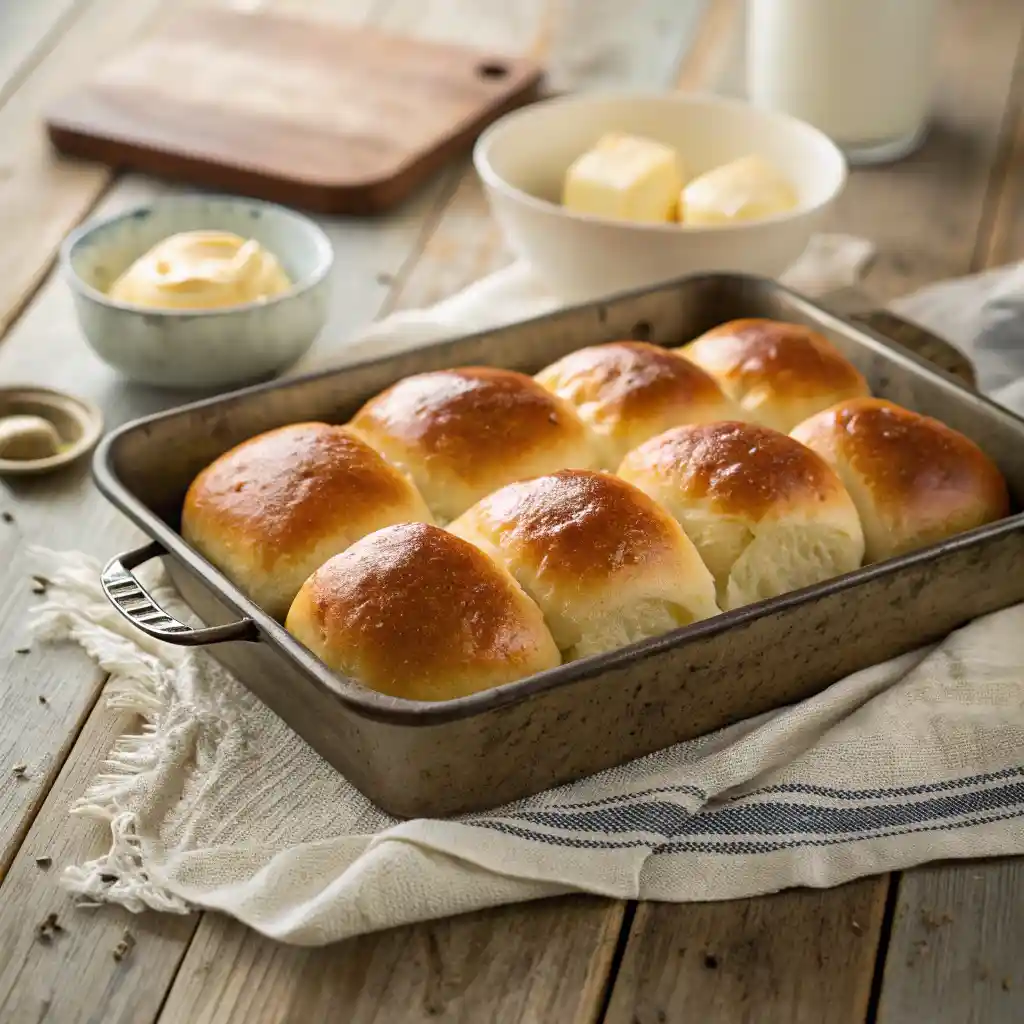
Storing and Reheating Your Delicious Yeast Rolls
Leftover yeast rolls? Lucky you! To keep them tasting wonderfully fresh, store any completely cooled rolls tightly covered at room temperature for up to 2-3 days. If you have more than you think you’ll eat within a few days, you can refrigerate them for up to a week. To reheat and bring back that glorious, just-baked softness, I like to wrap a few rolls in foil and warm them in a 300°F (150°C) oven for about 5-10 minutes. You can also microwave them for just a few seconds, but be careful not to overdo it, or they can become a bit chewy.
Troubleshooting Common Yeast Roll Challenges
Don’t let any kitchen hiccups discourage you! If your dough seems stubbornly flat, ensure your yeast was fresh and your liquid was warm, not hot. A common issue is dough that’s too sticky; remember, a little stickiness is good! Resist the urge to add too much extra flour during kneading, as this can lead to dense yeast rolls. If your dough seems too dry, a tablespoon of milk or water at a time can help. For rolls that aren’t browning evenly, rotating your pan halfway through baking usually does the trick, and loosely tenting with foil is your secret weapon against over-browning tops. You’ve got this!
Frequently Asked Questions About Yeast Rolls
Can I use active dry yeast instead of instant yeast? Yes, you can! However, you’ll need to proof active dry yeast first. Dissolve it with the sugar and warm milk, letting it sit for 5-10 minutes until foamy, before proceeding with the recipe.
What happens if I add too much flour? Adding too much flour will result in dry, dense yeast rolls. Aim for a soft, slightly tacky dough. It’s better to have a slightly sticky dough that yields tender rolls than a dry dough.
Can I make these ahead of time? You can prepare the dough and let it complete its first rise in the refrigerator overnight. In the morning, let it come to room temperature for about an hour before shaping and proceeding with the second rise and baking.
What is the best way to get them super soft? Using whole milk and softened butter contributes significantly to softness. Also, be careful not to over-bake them, and make sure the dough isn’t too dry. The optional honey butter topping adds a lovely richness too!
Share Your Yeast Roll Creations!
I just know you’re going to adore making and devouring these beautiful yeast rolls. There’s something so incredibly satisfying about pulling apart a warm, fluffy roll straight from the oven, isn’t there? I’d be absolutely thrilled if you’d share your baking adventures with me! Let me know in the comments below how your yeast rolls turned out, or if you tried any fun variations. Don’t hesitate to ask any questions you might have – I’m always here to help you on your culinary journey. Happy baking, friends!