The Dreamiest Potato Rolls You’ll Ever Make
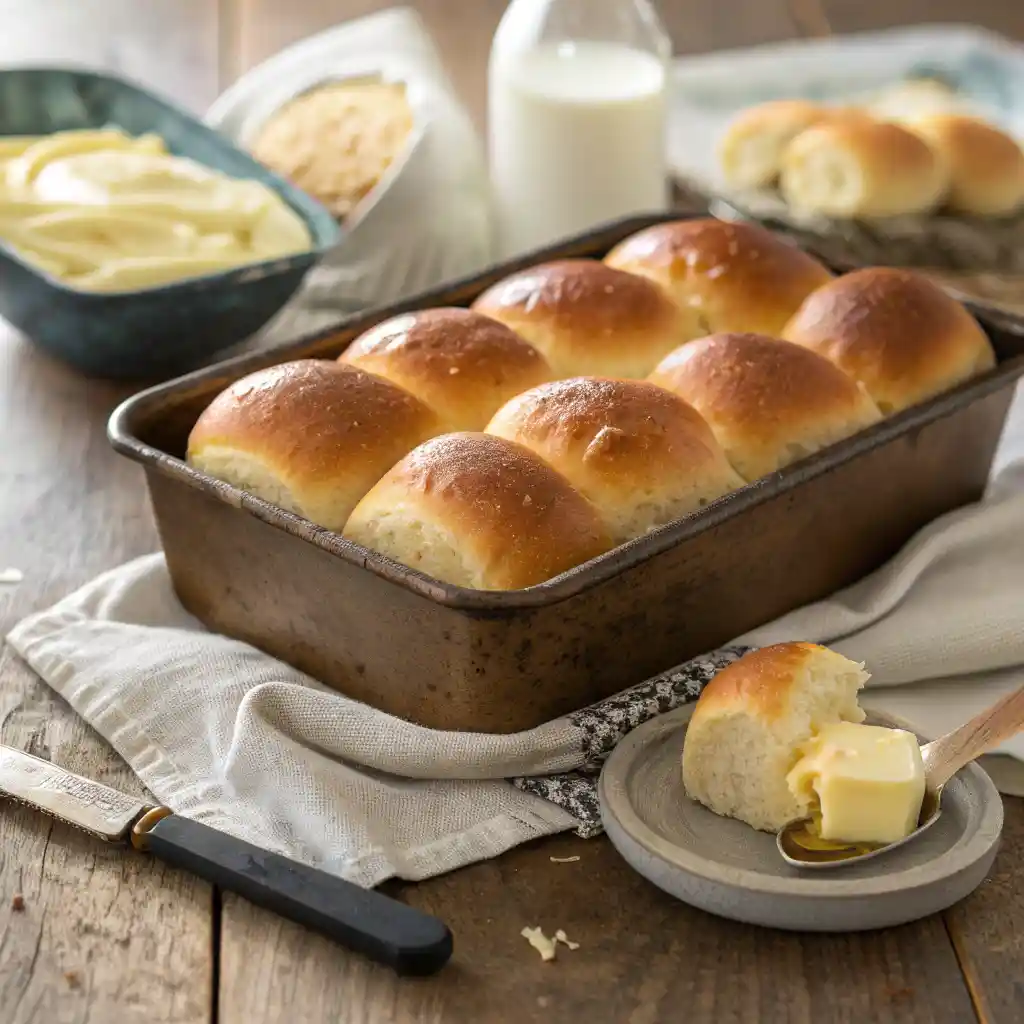
There is nothing quite like the comforting scent of freshly baked bread. These Potato Rolls are unbelievably soft and fluffy, bursting with a subtle richness that only mashed potatoes can impart. A guaranteed crowd-pleaser, the whole process from mixing to baking takes about 3 hours and 35 minutes
Why You’ll Absolutely Love These Potato Rolls
You’re going to fall head over heels for these delightful potato rolls for so many reasons!
- Melt-in-Your-Mouth Tenderness: The magic ingredient, mashed potatoes, creates an unparalleled soft and moist crumb that practically dissolves on your tongue.
- Beginner-Friendly Bliss: Don’t let bread-making intimidate you! These rolls are surprisingly simple to whip up, with clear steps that make success achievable for even the newest bakers.
- Incredibly Versatile: Whether you’re serving them alongside a comforting stew, transforming them into mini sliders, or simply enjoying them warm with butter, these rolls are a perfect addition to any meal.
- Joyful Baking Experience: From the satisfying feel of the dough to the glorious sight of golden-brown rolls, the entire process is designed to bring a smile to your face.
Choosing Your Perfect Potato & Prep
For the softest rolls, choose starchy Russets or all-purpose Yukon Golds, avoiding waxy varieties like red bliss. Aim for smooth, lump-free unseasoned mash using a ricer or thorough mashing, as detailed in my Guide to Fluffy Mashed Potatoes. Ensure the potatoes are room temperature or slightly warm—never hot—to keep the yeast happy and active
Yeast: The Magic Leavening Agent
Yeast is the tiny, hardworking organism that brings our potato rolls to life, creating that beautiful rise and airy texture. There are two common types you’ll find in baking:
- Active Dry vs. Instant Yeast: Both active dry yeast and instant yeast (sometimes called rapid-rise) will work wonderfully in this recipe. The main difference is how they’re activated. Active dry yeast typically needs to be “proofed” in warm liquid (like our lukewarm water) for about 5-10 minutes until it becomes foamy. Instant yeast, on the other hand, can usually be mixed directly with the dry ingredients, as it’s more forgiving and dissolves easily. Since this recipe calls for mixing all ingredients, if you’re using active dry, I recommend activating it in the lukewarm water first.
- Ensuring Yeast is Active: Don’t skip this step, especially if your yeast has been hanging out in the pantry for a while! To check if your yeast is fresh and active, stir it into a small amount of lukewarm water (around 105-115°F) with a pinch of sugar. Let it sit for 5-10 minutes. If it gets bubbly and foamy, it’s good to go! If nothing happens, it’s time for a new packet.
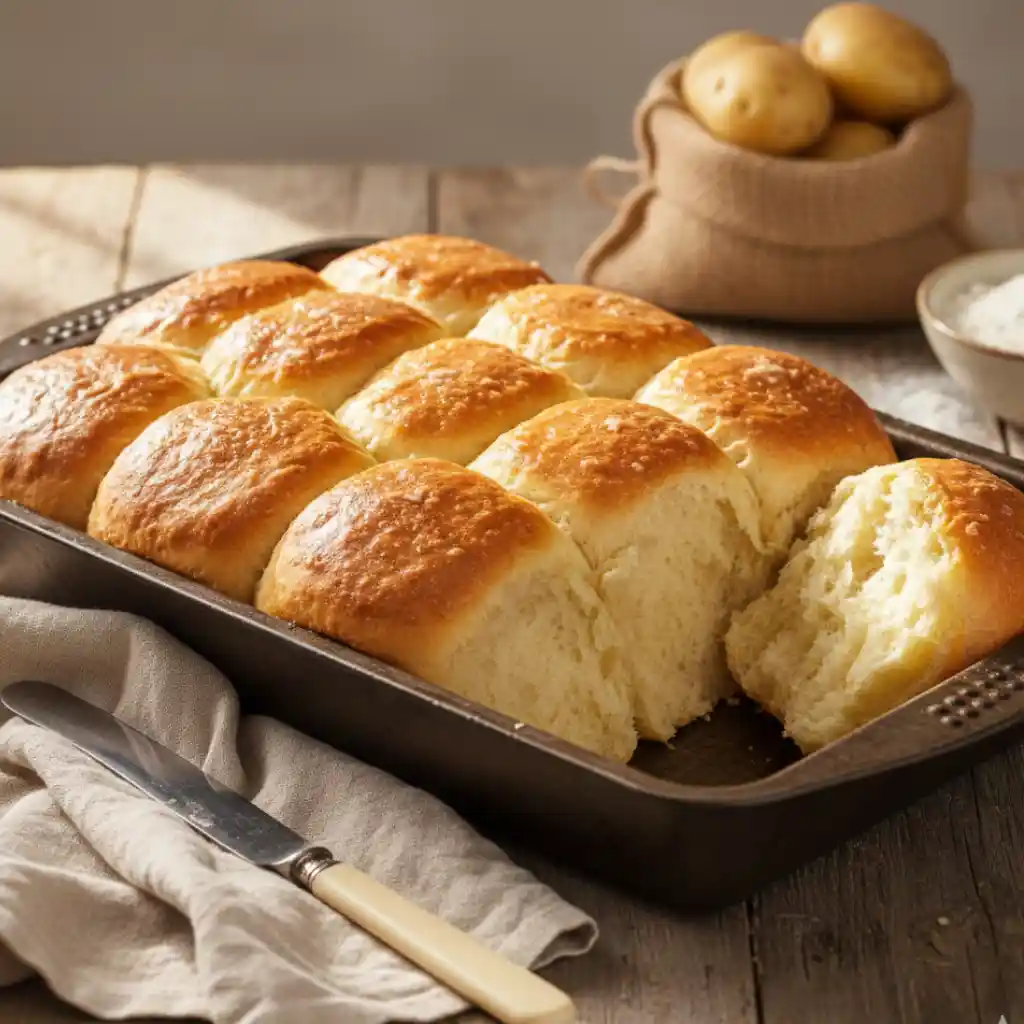
Soft, Fluffy Potato Rolls
Ingredients
Equipment
Method
- Weigh your flour; or measure it by gently spooning it into a cup, then sweeping off any excess.
- To make the dough, mix and knead all of the ingredients together — by hand, mixer, or bread machine set on the dough cycle — to make a smooth, soft dough.
- Place the dough in a lightly greased bowl, cover the bowl with plastic wrap, and let the dough rise until it’s doubled in bulk, about 90 minutes. If you’re using a bread machine, allow the machine to complete its cycle, then leave the dough in the machine until it’s doubled in bulk, perhaps an additional 30 minutes or so.
- Gently deflate the dough, and divide it into 16 large balls, or 24 smaller balls. Round each ball into a smooth roll.
- Place the rolls in a lightly greased 9″ x 13″ pan. Cover the pan with lightly greased plastic wrap, and let them rise for 1 1/2 to 2 hours, until they’re quite puffy. Towards the end of the rising time, preheat the oven to 350°F.
- Bake the rolls for 20 to 25 minutes, until they’re golden brown and feel set. Remove them from the oven, and turn them out of the pan onto a rack. Brush with melted butter, if desired.
- Serve rolls warm, or at room temperature. Store rolls, well wrapped in plastic, for several days at room temperature; freeze for longer storage.
Notes
Ingredients for the Softest Potato Rolls
Gather ’round, bakers! Here’s what you’ll need to create these delightful rolls:
- 2 large eggs
- 1/3 cup (67g) granulated sugar
- 2 teaspoons (12g) table salt
- 6 tablespoons (85g) butter, softened
- 1 cup (213g) mashed potatoes, unseasoned, lightly packed\*
- 2 1/2 teaspoons instant yeast or active dry yeast
- 3/4 cup (170g) water, lukewarm (water in which the potatoes were boiled, if possible)
- 4 1/4 cups (510g) King Arthur Unbleached All-Purpose Flour
If your mashed potatoes are a bit loose, you can let them drain in a fine-mesh sieve for a bit to remove excess moisture.
Mixing and Kneading Your Dough
Correctly measuring flour is key—weigh it or use the spoon-and-level method to avoid packing. Combine all ingredients until they come together, then knead for 6-8 minutes in a stand mixer or 10-15 minutes by hand until smooth and elastic. To check readiness, perform the windowpane test: if a small piece stretches thin enough to let light through without tearing, you are done.
The Importance of the Rise (First Rise)
Patience is key for airy, flavorful rolls. Place your kneaded dough in a lightly greased bowl, cover snugly with plastic wrap, and let it rest in a warm, draft-free spot. Allow about 90 minutes for the dough to double in bulk, looking puffy and light. If using a bread machine, simply let it complete the dough cycle and rest inside until doubled.
Shaping and the Second Rise
After the dough has done its first amazing rise, it’s time to give it a gentle makeover and prepare for its second act of puffiness!
- Gently Deflate and Divide: Once your dough has doubled, you want to gently punch it down to release some of the air. Don’t be aggressive here; a gentle press is all it needs. Then, divide the dough. For 16 large potato rolls, divide it into 16 equal portions. For 24 smaller rolls, aim for 24. Roll each piece into a smooth, taut ball. This shaping helps create a nice, even texture in the final rolls.
- The Puffy Rise: Arrange your beautifully rounded dough balls in a lightly greased 9″ x 13″ baking pan. They should have a little space between them, but not too much – they’ll expand! Lightly grease another piece of plastic wrap and cover the pan. Let them rest and rise again for about 1 1/2 to 2 hours, or until they are quite puffy and have nearly doubled in size. They should look plump and be touching each other. Towards the end of this second rise, it’s time to get your oven nice and hot, so go ahead and preheat it to 350°F (175°C).
Baking Your Golden Potato Rolls
The moment we’ve all been waiting for is here – baking those gorgeous potato rolls to golden perfection!
Place your pan of puffy rolls into the preheated oven. Bake them for 20 to 25 minutes. You’re looking for them to be a beautiful golden brown on top and around the edges. Another way to check is to gently tap the top of a roll; it should feel set and sound slightly hollow. Once they’re baked, carefully remove the pan from the oven. Turn the rolls out of the pan onto a wire rack immediately. If you love a little extra richness, this is the perfect time to brush them with melted butter for an irresistible sheen and added flavor.
Creative Ways to Enjoy Your Potato Rolls
These tender potato rolls are far more than just a side dish! Their incredible softness and subtle flavor make them incredibly versatile. They’re especially fantastic as slider buns for tender smoked tri tip.
- Perfect for Sliders: Their size and fluffiness make them absolutely divine for mini sandwiches or sliders, piled high with pulled pork or your favorite deli meat.
- Crouton Magic: Cut them into cubes, toss with a little olive oil and seasonings, and bake until crispy for fantastic homemade croutons to top your salads and soups.
- French Toast Casserole Base: Layer slices of these rolls into a casserole dish with an egg and milk mixture, and bake for an unforgettable breakfast or brunch treat.
- Simple Breakfast Delight: Honestly, serving them warm with a smear of butter is pure bliss on its own, perfect for a cozy breakfast or a delightful accompaniment to brunch.
Troubleshooting Common Potato Roll Issues
Even the most seasoned bakers encounter a hiccup now and then! If your potato rolls don’t turn out quite as you expected, don’t worry. Here are a few common issues and how to solve them:
- Dough Didn’t Rise: This is often due to inactive yeast (did you check it?), water that was too hot or too cold, or simply not enough proofing time. Ensure your yeast is fresh and your water is lukewarm (around 105-115°F).
- Rolls are Too Dense: This can happen if the dough was over-kneaded (which can toughen the gluten) or if it didn’t get a sufficient rise. Make sure to follow the kneading times and look for the visual cues of doubling in bulk.
- Rolls are Sticky: If your dough feels overly sticky, resist the urge to add too much extra flour, as this can make the rolls tough. Lightly flouring your hands and your work surface can help immensely when shaping. You can also try a dough scraper to help manage it.
- Uneven Baking: Sometimes rolls bake unevenly due to oven hot spots. Rotating the pan halfway through baking can help ensure even browning. Also, make sure your oven rack is in the center of the oven.
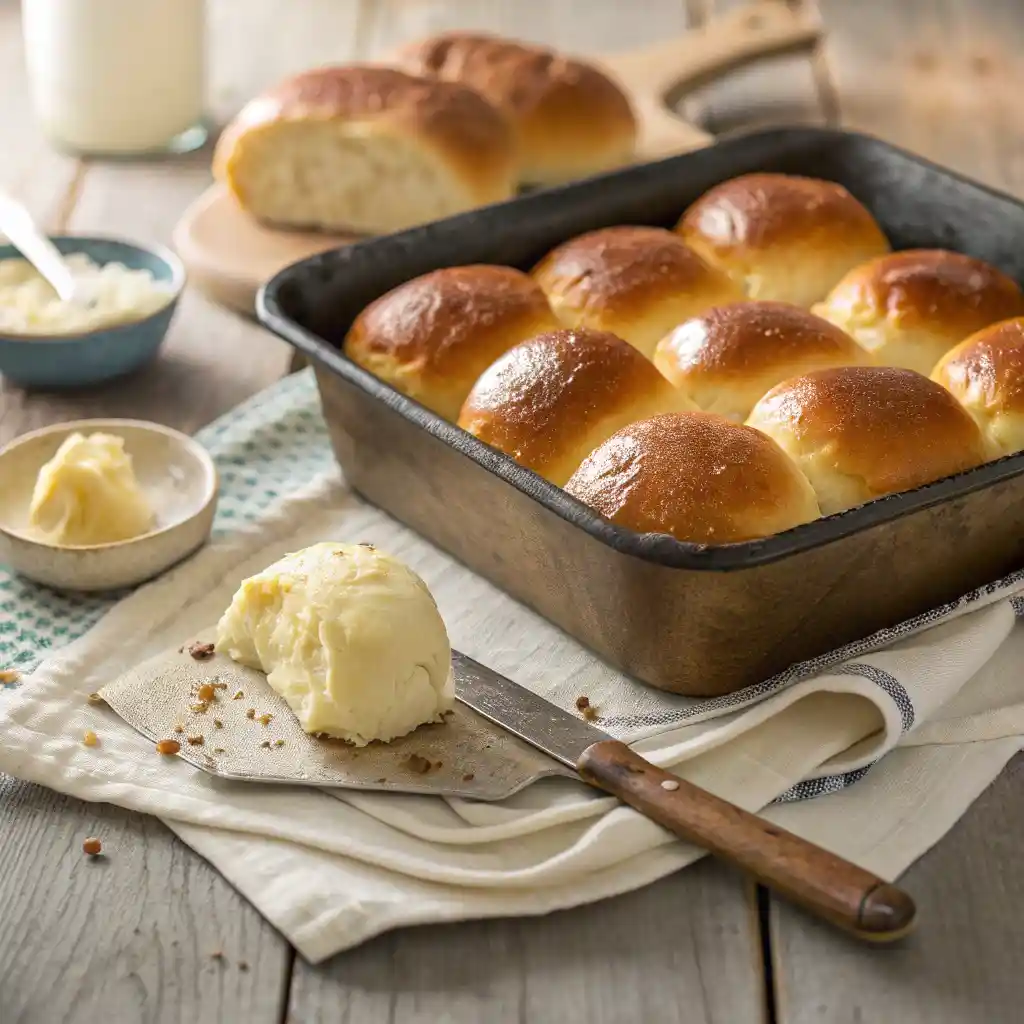
Make-Ahead and Storage Magic
Planning ahead is one of my favorite ways to make busy weeknights easier, and these potato rolls are wonderfully accommodating! For another prep-friendly comfort side, try our make-ahead mashed potato casserole.
- Refrigerating Dough: You can prepare the dough, let it complete its first rise, then punch it down, cover it tightly, and refrigerate it overnight. The cold temperature slows the yeast activity. When you’re ready to bake, let the dough come to room temperature for about an hour before shaping and proceeding with the second rise and baking. This can add a lovely depth of flavor.
- Storing Fresh Rolls: For rolls you plan to eat within a few days, simply store them well wrapped in plastic at room temperature. They’ll stay wonderfully soft for 2-3 days.
- Freezing for Later: If you want to keep these beauties around for longer, freeze them! Once completely cooled, wrap the rolls tightly in plastic wrap, then in a layer of aluminum foil or place them in a freezer-safe bag. They’ll keep well in the freezer for up to 2-3 months. To reheat, you can gently warm them in a low oven (around 300°F) for about 10-15 minutes, or microwave them for a few seconds.
Frequently Asked Questions (FAQs)
- Can I use a different type of flour? While all-purpose flour is recommended for its balance, you could experiment with bread flour for a chewier texture. Whole wheat flour can be used in moderation, but might make the rolls denser.
- Can I make these rolls vegan? You can likely make these vegan by substituting the butter with a plant-based butter or coconut oil and using a dairy-free milk alternative (or water) for the mashed potatoes and liquid. The eggs are trickier; a flax egg might work, but could alter the texture.
- Can I add herbs or cheese to the dough? Absolutely! Feel free to mix in some chopped fresh herbs like rosemary or chives, or a handful of shredded cheese (like cheddar or parmesan) into the dough during the last few minutes of kneading for extra flavor.
Conclusion & Call to Action
There you have it, my friends – a recipe for potato rolls that promises pure, unadulterated comfort and joy! I truly believe that baking these soft, fluffy rolls will bring a special kind of warmth to your table and your heart. They’re a testament to how simple ingredients can create something truly magical. Don’t be shy; give this recipe a try! I can’t wait to hear all about your baking adventures.