The Best Buttermilk Cornbread: Cozy, Tender, and Quick!
Hello, friends! You know, some days, all I crave is a slice of warm, comforting Buttermilk Cornbread. It reminds me of chilly autumn evenings in North Carolina, the kind where the air smells like woodsmoke and fallen leaves. This recipe is my go-to for that exact feeling – it’s incredibly tender, has just the right hint of sweetness, and comes together so quickly, usually under 30 minutes from start to finish! It’s become a staple in my home, and I’m just tickled pink to share it with you.
Why This Recipe is Your New Favorite
- Unbeatable Moistness: The secret to its incredibly tender and moist crumb is, you guessed it, buttermilk! It creates a texture that’s just heavenly, never dry or crumbly.
- Simple Ingredients, Big Flavor: You likely have most of what you need in your pantry right now. These humble ingredients come together to create a flavor that’s both comforting and deeply satisfying.
- Weeknight Warrior: Seriously, this Buttermilk Cornbread is a lifesaver. From mixing the batter to pulling it golden brown from the oven, you’re looking at less than an hour, making it perfect for busy weeknights.
- Versatile Perfection: Whether you’re serving it alongside a hearty stew, slathered with honey butter, or as a side for barbecue, it’s always the perfect accompaniment to any easy dinner.
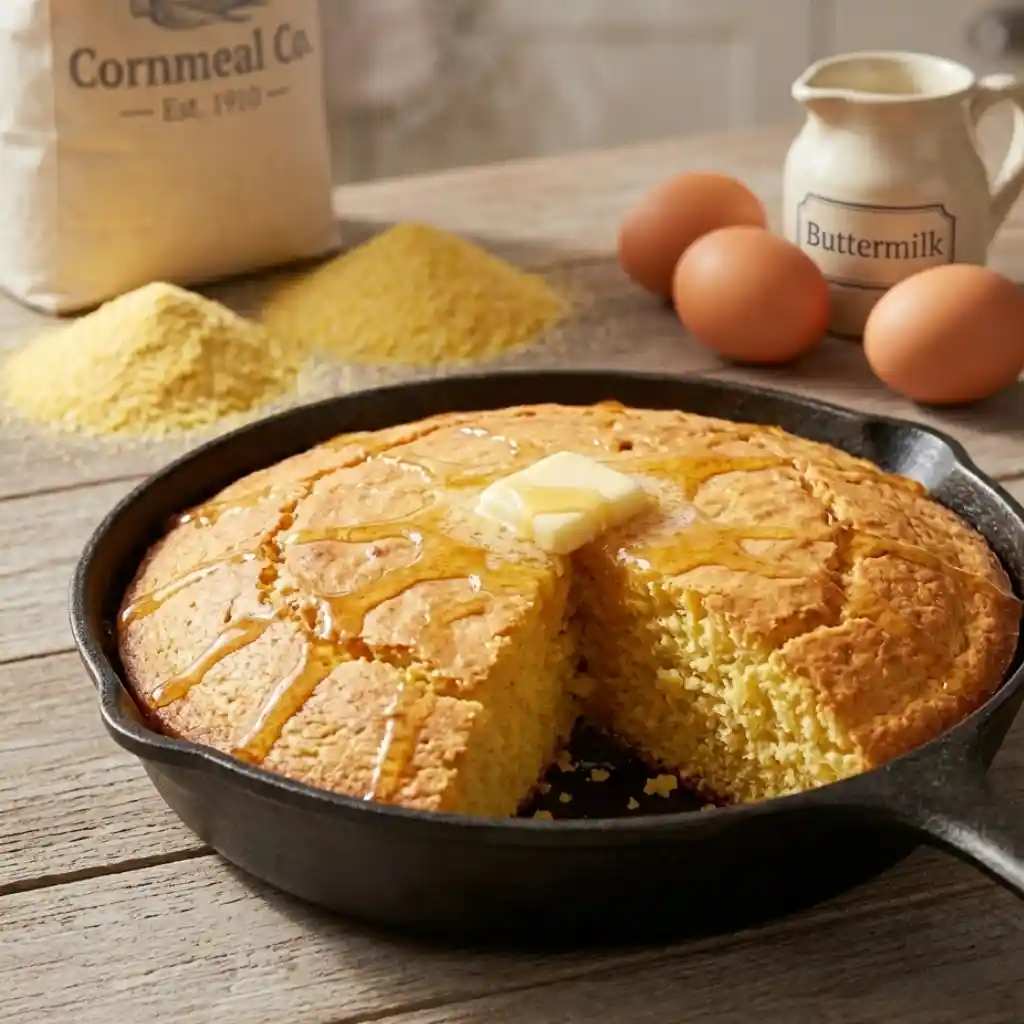
The Best Buttermilk Cornbread
Ingredients
Equipment
Method
- Preheat oven to 425ºF. If you’re not using a cast iron skillet, lightly grease an 8 inch baking dish.
- Whisk together cornmeal, flour, sugar, baking powder, baking soda, and salt in a large bowl. Set aside.
- Melt the butter in a cast iron skillet and allow to cool slightly.
- In a medium bowl, whisk together the eggs, buttermilk and cooled butter. Add to the dry ingredients whisking or stirring until just combined. A few lumps are ok. Pour into cast iron skillet or prepared baking dish.
- Bake for 20 to 25 minutes, or until tester comes out clean. Let stand 5-10 minutes before cutting and serving.
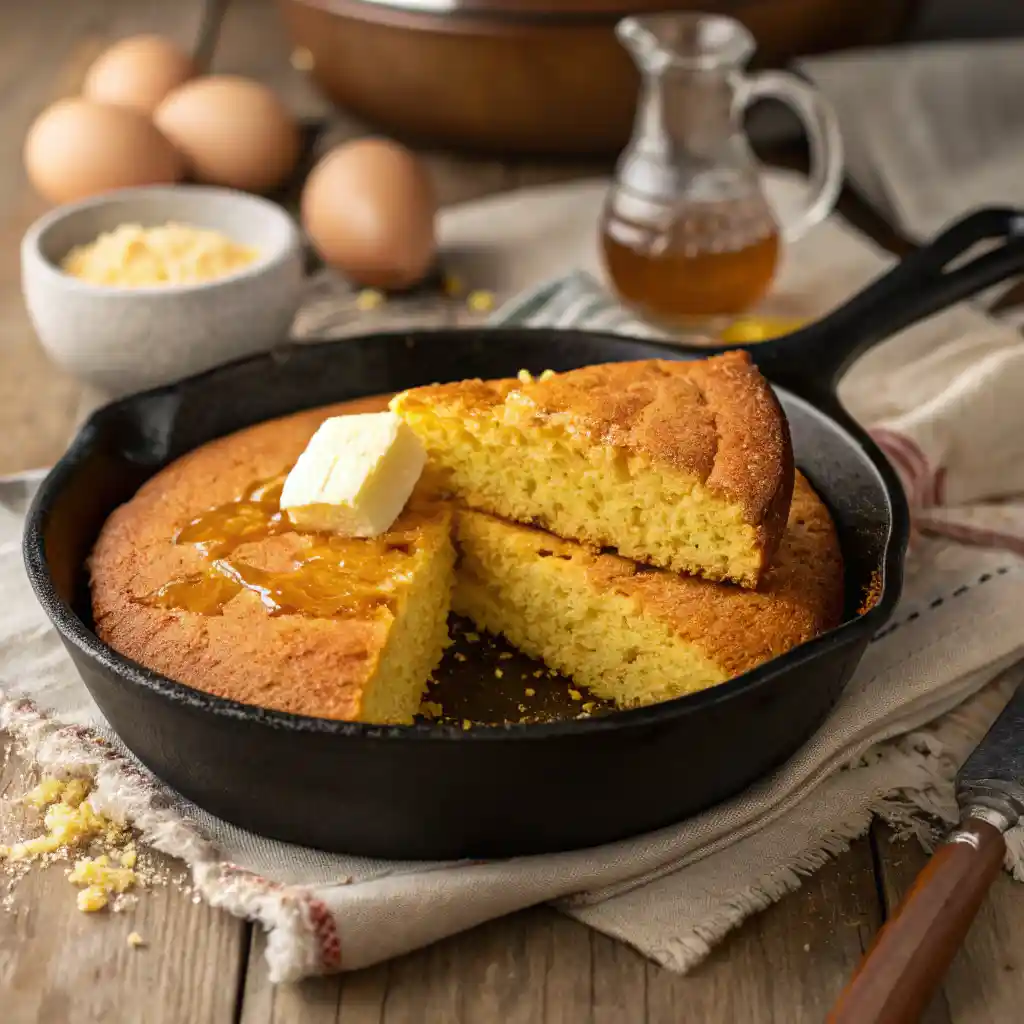
Essential Ingredients for Perfect Buttermilk Cornbread
Gathering your ingredients is the first joyful step in making this Buttermilk Cornbread. Here’s what you’ll need, and a little peek at why each one is important:
- 1 cup yellow cornmeal: This is the heart of our cornbread! I prefer yellow for its classic flavor and color, but you can use white too. A medium grind works beautifully for a nice texture without being too coarse.
- 3/4 cup all-purpose flour: This gives our cornbread structure and helps create that tender, cake-like crumb we’re aiming for.
- 1 tablespoon granulated sugar: Just a touch to enhance the corn flavor and add a hint of sweetness that makes it so wonderfully comforting.
- 1 1/2 teaspoons baking powder & 1/2 teaspoon baking soda: These are our dynamic duo for lift! They work with the buttermilk to ensure your Buttermilk Cornbread is light and airy, not dense.
- 1/4 teaspoon kosher salt: Salt is essential for bringing out all the other flavors and balancing the sweetness.
- 6 tablespoons unsalted butter: Melted butter adds richness and a delicious depth of flavor that you just can’t get from oil alone.
- 1 1/2 cups buttermilk: The magic maker! Its acidity creates tenderness and contributes to that signature moist texture.
- 2 large eggs: These bind everything together and add a bit more richness and structure to our cornbread.
Step-by-Step Guide to Crafting Buttermilk Cornbread
Let’s get our hands a little floury and whip up some delicious Buttermilk Cornbread! It’s a joy from start to finish.
- Get Ready: First, let’s preheat your oven to a nice, hot 425ºF (220ºC). If you’re not using a trusty cast iron skillet (which I highly recommend for that amazing crispy crust!), lightly grease an 8-inch baking dish.
- Dry Mix Magic: In a big bowl, whisk together your cornmeal, flour, sugar, baking powder, baking soda, and salt. Give it a good whisk to make sure all those leavening agents are evenly distributed – this helps ensure a perfectly even bake. Set this bowl aside for a moment.
- Melt Away: Gently melt your butter. If you’re using a cast iron skillet, you can even melt it right in the skillet on the stovetop! Let it cool for just a minute or two – we don’t want it piping hot.
- Wet Meets Dry: In a separate, medium bowl, whisk together your eggs and the wonderful buttermilk. Then, pour in that slightly cooled melted butter and whisk until it’s all nicely combined. Now, pour this liquid mixture into your bowl of dry ingredients. Stir or whisk gently until just combined. Honestly, a few lumps are totally fine and even desirable! Overmixing is the enemy of tender cornbread.
- Into the Pan: Pour your batter into your prepared cast iron skillet or baking dish. It should fill it nicely.
- Bake to Perfection: Pop it into the preheated oven and bake for 20 to 25 minutes. You’ll know it’s ready when the top is golden brown and a wooden tester inserted into the center comes out clean.
- Rest and Serve: Let your beautiful Buttermilk Cornbread stand for about 5-10 minutes before cutting and serving. This short rest allows it to set up perfectly, making it easier to slice and oh-so-much-more enjoyable.
Mastering Your Cornbread: Troubleshooting Common Issues
Don’t you worry if your first attempt isn’t exactly like grandma’s (yet!). Even the most seasoned bakers have kitchen quirks. Here are a few common hiccups and how to navigate them for your best Buttermilk Cornbread yet:
- Dry and Crumbly? This is often a sign of overmixing the batter, or perhaps overbaking. Remember, just mix until combined, and pull it out as soon as that tester comes out clean!
- Dense and Heavy? If your Buttermilk Cornbread came out more like a brick, it could be that your leavening agents (baking powder/soda) were old, or you didn’t whisk them thoroughly into the dry ingredients. Double-check those dates on your baking supplies!
- Pale Crust? For that irresistible golden-brown crust, make sure your oven is fully preheated. If you’re using a cast iron skillet, preheating it slightly before adding the batter (carefully!) can also help achieve a fantastic crust.
- Sunken Center? This can happen if the oven temperature fluctuates too much or if the cornbread isn’t quite baked through. Make sure your oven is accurate and bake until the center is set.
Variations and Creative Twists for Your Buttermilk Cornbread
This Buttermilk Cornbread recipe is a fantastic base, and it’s so much fun to play around with! Here are a few ideas to inspire your creativity:
| Variation Type | Description | Impact on Flavor/Texture |
|---|---|---|
| Sweetness | Increase sugar to 1/4 cup for a sweeter, more dessert-like profile. | A more dessert-like cornbread, perfect with fruit. |
| Savory Kick | Add 1/2 cup shredded cheddar cheese or finely diced jalapeños. | Adds a zesty kick and cheesy goodness. |
| Fat Choice | Substitute 4 tbsp oil (like vegetable or canola) for 2 tbsp of the butter. | Can lead to a slightly softer crumb, different flavor notes. |
| Cornmeal Ratio | Use 3/4 cup cornmeal and 1 cup flour for a finer texture. | A less pronounced corn flavor, more cake-like. |
| Herbs & Spices | Stir in 1-2 tablespoons of fresh chopped chives or a pinch of chili powder. | Adds subtle aromatic notes or a gentle warmth. |
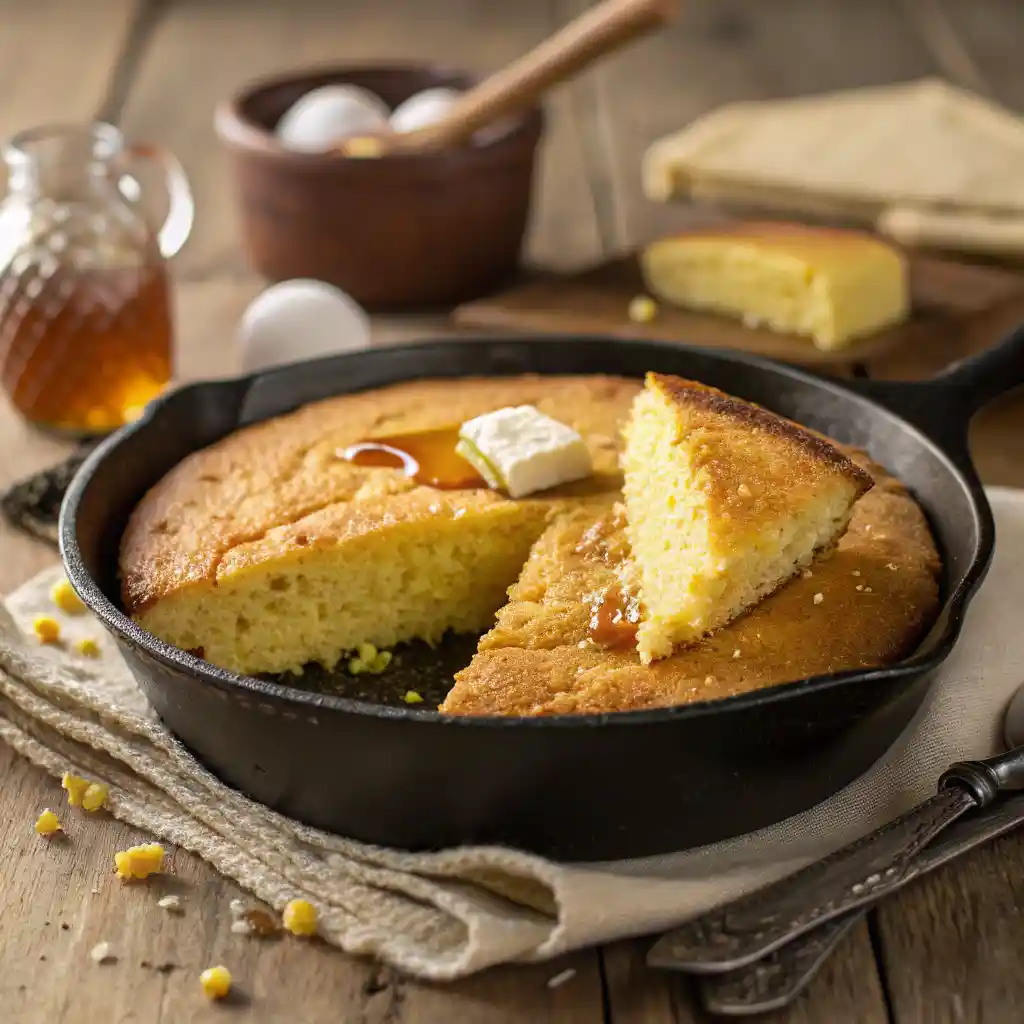
Choosing Your Baking Vessel
The pan you choose can really influence the final outcome of your Buttermilk Cornbread! Here are a few options:
- Cast Iron Skillet: Oh, this is my absolute favorite! Cast iron heats so evenly and gets wonderfully hot, creating a superior, crispy crust on the bottom and sides that’s just divine. It’s perfect for that rustic, golden finish.
- Baking Dish (Glass/Ceramic): A standard 8-inch square or round baking dish works perfectly well. You’ll still get delicious cornbread, but the crust will likely be a bit softer compared to cast iron.
- Muffin Tins: Want individual portions? Muffin tins are your best friend! They bake up quickly and are perfect for grab-and-go snacks or for serving a crowd. Just be sure to watch them closely as they bake faster.
Serving Buttermilk Cornbread with Joy
Oh, the ways you can enjoy this delightful Buttermilk Cornbread! It’s so much more than just a side dish.
- Wonderful Toppings: My personal favorite is a generous smear of warm honey butter – the sweetness of the honey and richness of the butter is pure bliss. Freshly made fruit preserves, like peach or blackberry, are also divine. A simple drizzle of good quality honey works wonders too, especially with delicious Flaky Blueberry Scones!
- Perfect Pairings: Of course, it’s a classic alongside a steaming bowl of chili or a hearty soup. It’s also fantastic with barbecue, pulled pork, pot roast, or any savory stew. For holidays, it’s the base for an incredible savory dressing! You could even get creative and use it as a base for a savory strata or bread pudding.
Frequently Asked Questions
- Can I make cornbread batter ahead of time? Yes, you can prepare the batter a few hours in advance and keep it covered in the refrigerator. For the absolute best texture and rise, it’s ideal to bake it fairly soon after mixing.
- Can I freeze buttermilk cornbread? Absolutely! Once completely cooled, wrap individual slices or the entire loaf tightly in plastic wrap, then in foil or a freezer-safe bag. It freezes beautifully for up to 2-3 months. Thaw at room temperature or gently reheat.
- How long does homemade cornbread last? Stored in an airtight container at room temperature, this Buttermilk Cornbread is best enjoyed within 1-2 days. For longer storage, keep it in the refrigerator for up to 4-5 days.
- Is it supposed to be sweet? That’s a great question about Buttermilk Cornbread! This recipe has a touch of sweetness, which is quite common and lovely, but personal preference varies. If you prefer a less sweet or a more savory cornbread, feel free to reduce or omit the sugar.
Conclusion and Call to Action
There you have it, my friends – a recipe for Buttermilk Cornbread that’s simple, deeply satisfying, and brings a wonderful warmth to any table. I truly hope you’ll give this recipe a try and experience the joy of baking something so comforting from scratch. It’s proof that delicious, wholesome food doesn’t need to be complicated.