Hey there, fellow home cooks! Sarah here, from The Meal Craft. You know, sometimes life feels like it’s moving at warp speed, and dinner plans get tossed aside for something quick and easy. I’ve been there, staring into the fridge with a hungry family waiting, and that’s exactly why I fell in love with recipes like these Mongolian beef noodles. They’re wonderfully comforting, packed with flavor, and come together faster than you can say “takeout menu!” You’ll have this delicious meal on your table in about 30 minutes, making it a perfect weeknight wonder.
A Little History: Where Did Mongolian Beef Come From?
Isn’t it fun to learn a little something while we cook? While the name suggests it hails from Mongolia, Mongolian beef noodles actually have a fascinating origin story that’s a bit more complex. This popular dish, with its signature sweet and savory sauce, is a creation of Taiwanese immigrants in the United States! It’s believed to have been inspired by traditional Mongolian barbecue, which itself isn’t actually from Mongolia, but rather a cooking style developed in Taiwan. The Americanized version, especially our beloved Mongolian beef noodles, evolved to suit Western palates, becoming a beloved staple in Chinese-American restaurants across the globe. It’s a delightful fusion of cultures, all wrapped up in one tasty bowl!
Why You’ll Absolutely Love These Mongolian Beef Noodles
I’m so excited for you to try this recipe, and I know you’re going to adore it! Here’s why these Mongolian beef noodles are a total winner for busy home cooks:
- Faster Than Takeout: Seriously, you can whip up this dish quicker than it takes for your delivery driver to arrive, and it tastes so much fresher!
- Flavor Explosion: We’re talking a perfect balance of sweet, savory, and a hint of spice that will have everyone asking for seconds.
- Effortless Cleanup: With most of the magic happening in one skillet, you’ll spend less time scrubbing pots and pans and more time enjoying your meal.
- Weeknight Warrior: This recipe is designed for real life, making it a go-to for those hectic evenings when you need a delicious meal without the fuss.
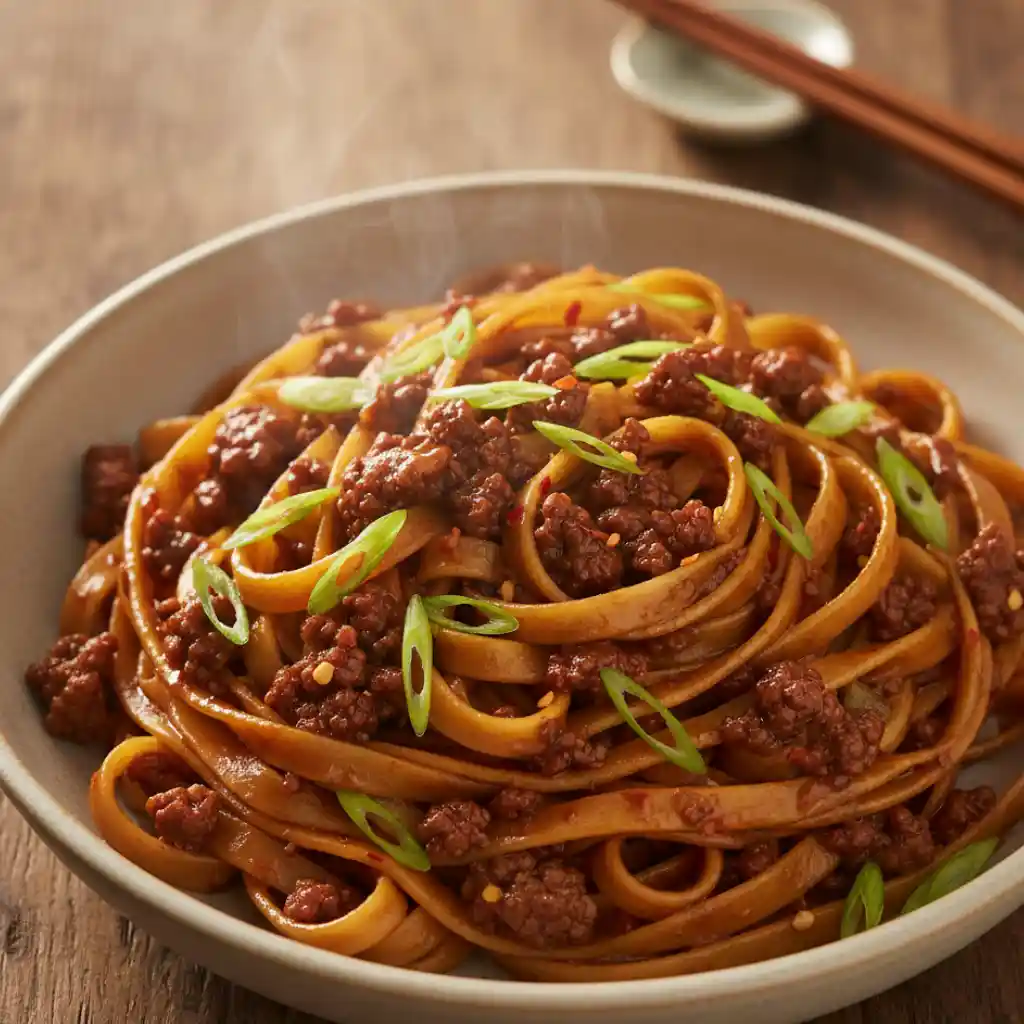
Ultimate Mongolian Beef Noodles
Ingredients
Equipment
Method
- In a large skillet with high sides brown the ground beef on the stovetop. Add the ginger and garlic the last 2 minutes of browning the ground beef. Break up the meat as it cooks.
- While the ground beef is cooking, cook the pasta according to the package instructions. (I recommend you do not salt the water.) Drain.
- Drain the ground beef and return it to the skillet along with the soy sauce, beef broth, brown sugar, red pepper flakes, pepper, and hoisin sauce. Stir to combine.
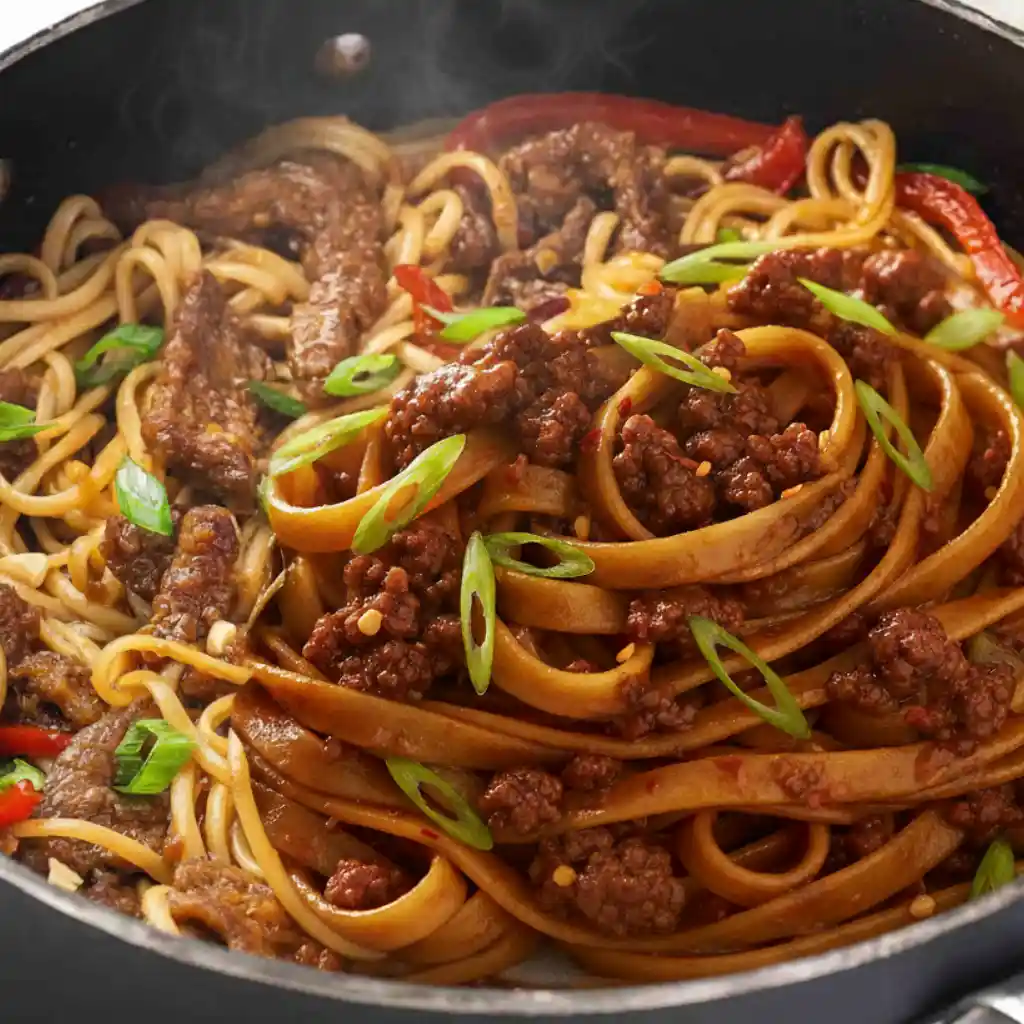
- Dissolve the cornstarch in the water and add it to the ground beef mixture. Stir and bring the mixture to a low boil. After the sauce has thickened slightly add the drained noodles to the beef mixture. Stir to combine.
- Allow the noodles to sit in the sauce a few minutes to absorb flavor. Serve hot with a garnish of sliced green onions.
Notes
Ingredient Deep Dive: What Makes Our Mongolian Beef Noodles So Good?
The magic of these Mongolian beef noodles truly lies in the simple yet impactful ingredients we’re using. Let’s break them down!
Essential Ingredients:
- Lean Ground Beef: This is our savory foundation, making the dish hearty and satisfying. Ground beef cooks quickly and evenly, perfect for a speedy meal.
- Fresh Ginger (minced): Ah, fresh ginger! It adds that unmistakable warm, zesty zing that’s crucial to the Mongolian beef noodles flavor profile. While ground ginger can work in a pinch, fresh is truly king here for that vibrant kick.
- Garlic Cloves (minced): Garlic is a flavor powerhouse, and minced cloves infuse the sauce beautifully, complementing the beef and ginger.
- Brown Sugar: This is key for that signature sweetness and helps create a lovely caramelization in our sauce. If you prefer less sweetness, feel free to dial it back to 1/3 or even 1/4 cup!
- Beef Broth: It adds a wonderful depth of savory flavor and helps create the luscious, coating consistency of our sauce.
- Low Sodium Soy Sauce: The backbone of our umami-rich sauce. Choosing low-sodium is a smart move to control the saltiness, as other ingredients bring plenty of flavor.
- Hoisin Sauce: This is where a lot of the complexity comes from! Hoisin adds a sweet, tangy, and savory depth. If you can find a low-sodium version, I highly recommend it for even better flavor control.
- Black Pepper: Just a touch of freshly ground black pepper to round out all those wonderful tastes.
- Red Pepper Flakes (optional): If you love a little heat, these are your best friend! Add a pinch or a generous sprinkle, depending on how much warmth you desire in your Mongolian beef noodles.
- Noodles (linguine, fettuccine, or spaghetti): The noodle is your canvas! Use your favorite long pasta shape. Linguine, fettuccine, or even classic spaghetti will carry this delicious sauce beautifully.
- Cornstarch: Our secret weapon for achieving that perfect, glossy sauce thickness. It’s what makes the sauce cling so wonderfully to every strand of noodle.
- Water: Used in a simple slurry with cornstarch to ensure our sauce thickens beautifully without clumps.
- Green Onions (sliced): For a burst of freshness and a pop of color, these are the perfect finishing touch. They add a mild oniony bite and a delightful crunch.
Mastering the Art: How to Make Perfect Mongolian Beef Noodles
Alright, let’s get cooking! Making these fantastic Mongolian beef noodles is easier than you think. I’ll guide you through each step with all the cozy encouragement you need.
- Brown the Beef & Aromatics: Grab a large skillet with high sides – this helps prevent splatters! Place it over medium-high heat and add your lean ground beef. Break it up with your spoon as it cooks. Once the beef is nicely browned, toss in your minced ginger and garlic during the last couple of minutes. Stir them around to toast them just slightly; this really wakes up their flavors!
- Cook the Pasta: While your beef is doing its thing, get a pot of water boiling for your noodles. Follow the package directions for cooking them al dente. Here’s a little tip from my kitchen: I often skip salting the pasta water for this dish because the sauce is already quite flavorful. Once they’re ready, drain them thoroughly.
- Build the Flavorful Sauce: Back to the skillet! Carefully drain off any excess grease from the browned beef. Return the skillet to the heat and add your soy sauce, beef broth, brown sugar, red pepper flakes (if you’re using them!), black pepper, and that wonderful hoisin sauce. Give everything a good stir to combine and make sure the beef is coated in this rich mixture.
- Thicken it Up: In a small bowl, whisk together the cornstarch and water until it’s completely smooth – no lumps allowed! This is called a slurry, and it’s our magic thickener. Pour this slurry into the simmering beef mixture in the skillet. Stir constantly as the sauce comes to a gentle, low boil. Let it bubble away for just a minute or two until you see it thicken up to a beautiful, glossy consistency.
- Bring it All Together: Now for the best part! Add your drained noodles directly into the skillet with the beef and sauce. Gently toss everything together, using your spoon or tongs, until every single noodle is beautifully coated in that savory sauce. Oh, the aroma!
- Let the Flavors Mingle: Once everything is combined, turn off the heat. Let the Mongolian beef noodles sit for a few minutes. This little pause allows the noodles to really soak up all those incredible flavors from the sauce. Serve them hot, piled high, and don’t forget that sprinkle of fresh, sliced green onions on top for a pop of color and freshness!
Tips & Tricks for Your Best Mongolian Beef Noodles Ever
Want to elevate your Mongolian beef noodles game even further? I’ve got some tips straight from my own kitchen experiments that I think you’ll find super helpful!
- Don’t Crowd the Pan: When browning your ground beef, ensure it has enough space in the skillet. If you cram too much in at once, the meat will steam instead of searing, leading to a less flavorful base. Cook in batches if necessary!
- Adjust the Sweetness: My recipe calls for 1/2 cup of brown sugar, but I know taste varies! Feel free to start with 1/3 cup and add more if you like it sweeter. Remember, the hoisin sauce also adds sweetness.
- Spice Level Control: The red pepper flakes are optional, but they really add a lovely warmth. Start with 1/4 teaspoon if you’re unsure about spice, and you can always add more at the end or serve with extra flakes on the side.
- Sauce Consistency Savvy: If your sauce seems a little too thin after adding the cornstarch slurry, you can make another small slurry (1 teaspoon cornstarch mixed with 1 tablespoon cold water) and stir it in, letting it thicken for another minute. If it’s too thick, a tablespoon or two of beef broth or water can help thin it out.
- Prep Ahead Power: You can mince your garlic and ginger, slice your green onions, and measure out your sauce ingredients a day in advance. Store them in airtight containers in the fridge. This makes weeknight assembly even faster!
Beyond the Basics: Creative Variations and Additions
Part of the joy of cooking, for me, is playing around with recipes! These Mongolian beef noodles are fantastic as is, but they’re also a wonderful canvas for your creativity.
- Noodle Adventures: While linguine or spaghetti work beautifully, why not try something different? Cooked ramen noodles offer a delightful chew, and thick udon noodles are fantastic for soaking up that rich sauce. For a lighter, veggie-forward twist, try spiralized zucchini noodles! Just be sure to cook them very briefly or add them to the hot sauce off the heat to prevent them from becoming watery. Craving a set-it-and-forget-it option? Try our Crockpot chicken and noodles for another cozy, weeknight-friendly bowl.
- Veggie Boost: Sneak in some extra goodness! Thinly sliced bell peppers (any color!), snap peas, broccoli florets, or even shredded carrots can be sautéed with the beef or added to the sauce in the last few minutes of cooking until tender-crisp.
- Protein Swaps: While beef is classic, you could adapt this sauce for ground turkey or even chicken. For a vegetarian option, firm or extra-firm tofu, pressed and cubed, would be delicious! Pan-fry the tofu until golden before adding it to the sauce.
Beef It Up: Choosing Your Beef Cut
This recipe is designed for speed and simplicity using lean ground beef. It’s wonderfully forgiving and cooks up quickly, making it perfect for those busy weeknights. However, if you’re feeling adventurous or want a different texture, you could certainly try thinly sliced flank steak or sirloin.
If you opt for steak, you’ll want to slice it very thinly against the grain. Then, you’d typically sear the steak pieces quickly in a very hot skillet until just browned, remove them, and then proceed with making the sauce. Add the seared steak back in at the very end, just to warm through, to ensure it stays tender and doesn’t become tough. Ground beef keeps this recipe super approachable and fast! For more budget-friendly ideas, check out these slow cooker hamburger recipes.
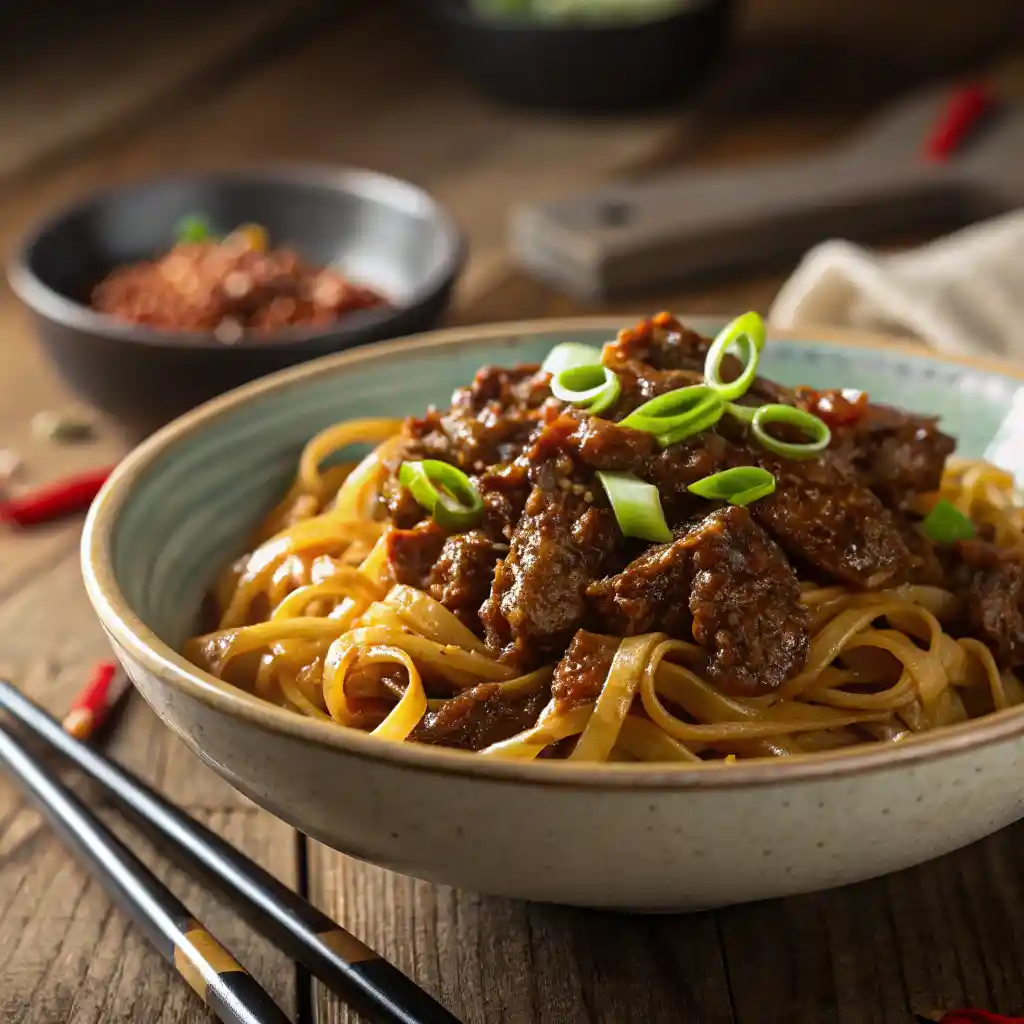
Troubleshooting Common Mongolian Beef Noodle Mishaps
Even the most seasoned cooks run into kitchen hiccups now and then! Don’t you worry, I’ve got your back with solutions for any little bumps along the way with your Mongolian beef noodles.
- Soggy Noodles: This often happens if noodles sit too long in the sauce or if they’re overcooked initially. Always cook pasta to al dente, drain it well, and try to combine it with the sauce just before serving. If they do get a bit mushy, tossing them with a tiny bit of extra sauce or a drizzle of sesame oil can help disguise it.
- Sauce Too Thin: Did your sauce not thicken up as expected? No problem! Mix 1 teaspoon of cornstarch with 1 tablespoon of cold water to make a slurry, then stir it into the simmering sauce. Let it cook for another minute or two until it reaches your desired consistency.
- Sauce Too Thick: If your sauce became a bit too gloopy, you can easily thin it out. Simply stir in a tablespoon or two of beef broth or even water until it loosens up to your liking.
- Beef Tough: This is more common if you use a cut other than ground beef. If using steak, make sure to slice it thinly against the grain and don’t overcook it. For ground beef, ensure you aren’t over-stirring or cooking it for too long after browning.
- Lack of Flavor: If your Mongolian beef noodles aren’t singing for you, taste and adjust! You might need a splash more soy sauce for saltiness/umami, a tiny bit more brown sugar for sweetness, or a pinch more red pepper flakes for heat. A drizzle of toasted sesame oil at the end can also boost the overall flavor profile.
What to Serve with Your Delicious Mongolian Beef Noodles
These Mongolian beef noodles are practically a meal in themselves, but serving them with a few simple additions can make your dinner feel extra special!
- Appetizer Delight: Start with some crispy egg rolls or light spring rolls – they complement the Asian flavors perfectly. Steamed edamame sprinkled with sea salt is also a fantastic, healthy starter. If you’re entertaining, a make-ahead option like our Cranberry Pecan Cheese Log is always a hit.
- Fresh Sides: A crisp, refreshing side salad can cut through the richness of the noodles beautifully. Think a simple mix of shredded cabbage, carrots, and a light ginger-sesame dressing, or a quick cucumber salad with rice vinegar.
- Beverage Pairings: For drinks, consider a crisp lager, a light-bodied white wine like a Pinot Grigio, or even a refreshing sparkling water with a splash of lime or ginger.
Frequently Asked Questions
- Can I make this gluten-free? Absolutely! Simply swap the soy sauce for tamari or a certified gluten-free soy sauce, and use your favorite gluten-free noodles.
- How should I store leftovers? Keep any leftover Mongolian beef noodles in an airtight container in the refrigerator for up to 3 days. The noodles will continue to absorb sauce as they sit.
- Can I use a different type of beef? Yes, while ground beef is quick, thinly sliced flank steak or sirloin can be used. Sear it quickly until just browned and add it back in at the very end to prevent it from getting tough.
- Is this recipe very spicy? The heat comes from the optional red pepper flakes. You can omit them entirely or add just a tiny pinch if you prefer a mild warmth.
A Note on Nutrition
These Mongolian beef noodles offer a satisfying mix of protein from the beef and carbohydrates from the noodles. The ginger and garlic provide wonderful flavor and potential health benefits. To boost the nutritional value, consider adding plenty of colorful vegetables like bell peppers or broccoli, or opt for whole wheat noodles if available. Controlling portion sizes is also key to enjoying this flavorful dish as part of a balanced diet.
Ready to Craft Your Masterpiece?
I truly hope you feel inspired and excited to whip up this incredible Mongolian beef noodles recipe! It’s one of those dishes that brings so much comfort and joy to the table, and I can’t wait for you to experience it. Don’t be shy – if you make it, please leave a comment below to share how it turned out! Did you try a fun variation? Have any questions? I love hearing from you all. Happy cooking, and let’s make some delicious memories together!