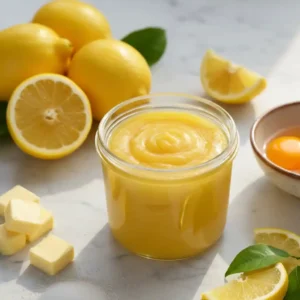
The Most Glorious Lemon Curd Recipe You’ll Ever Make
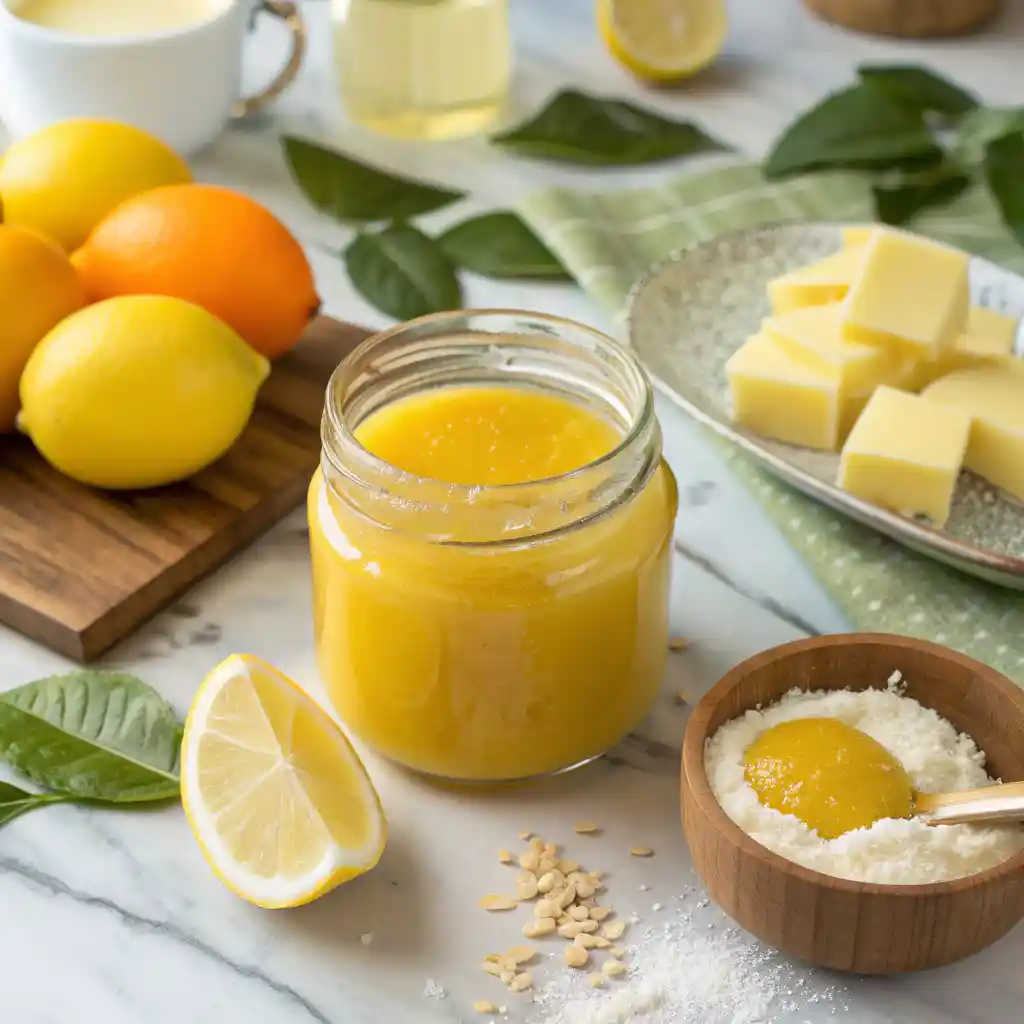
Oh, the sunshine in a jar! There’s nothing quite like the bright, tangy embrace of homemade lemon curd. I remember one crisp autumn afternoon, the scent of lemons filling my kitchen as I stirred this golden delight, a feeling of pure comfort washing over me. It’s surprisingly simple, yet feels so special. This lemon curd recipe takes about 15 minutes of active time and a total of 20 minutes, bringing a burst of pure joy to your day.
Why You’ll Love This Homemade Lemon Curd Recipe
- Effortlessly Achievable: You’ll be amazed at how simple this lemon curd recipe is, proving that gourmet results are absolutely within reach for any home cook.
- Luxuriously Smooth Texture: Forget store-bought! This recipe delivers a decadent, velvety smoothness that you simply can’t buy.
- Perfect Sweet-Tart Harmony: We’ve struck the ideal balance between bright, zesty lemon and just the right amount of sweetness for a flavor explosion.
- Endlessly Versatile: This glorious curd is a blank canvas, ready to transform everything from toast to elaborate desserts.
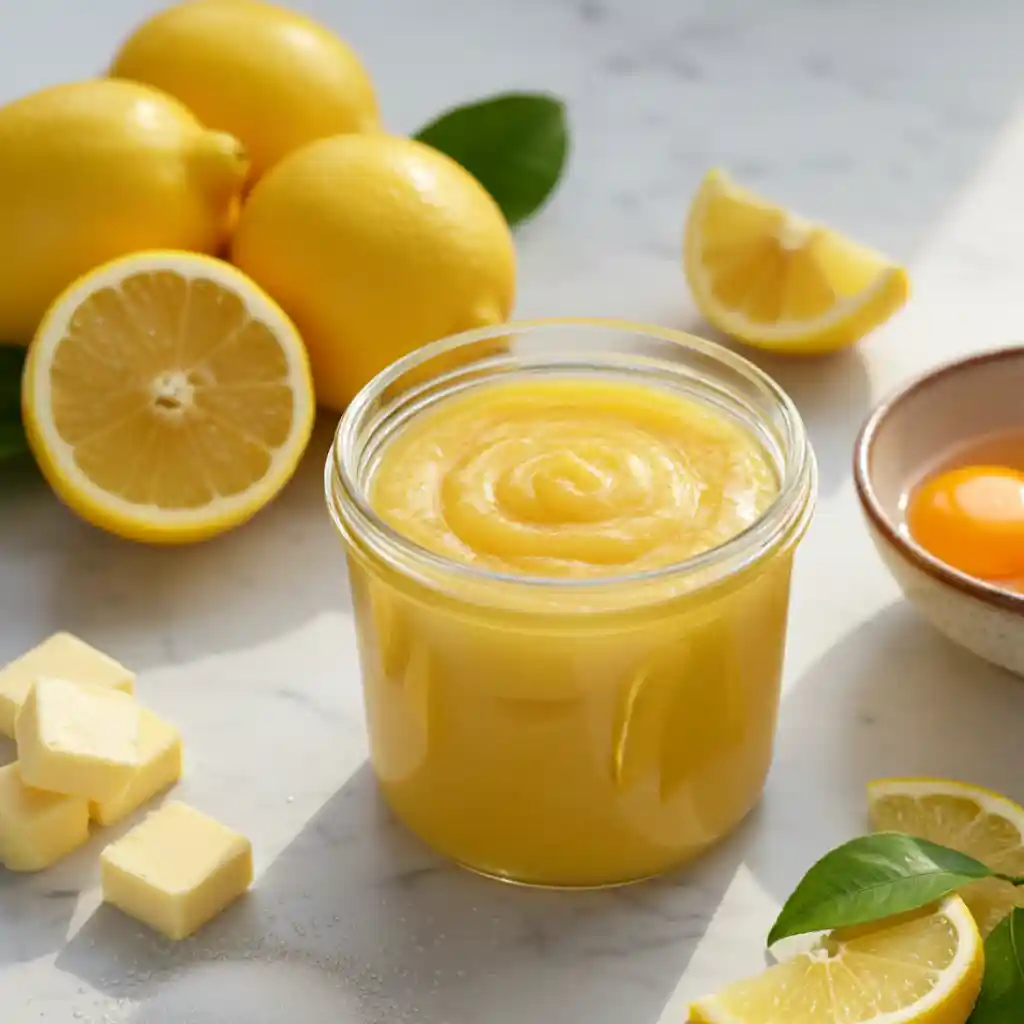
Lemon Curd Recipe Silky And Fast
Ingredients
Equipment
Method
- Fill the bottom pot of your double boiler with 1–2 inches of water. Place it on high heat. Once the water begins to boil, reduce the heat to low, maintaining a gentle simmer.
- In the top pot of the double boiler (or your heatproof bowl), combine the egg yolks, granulated sugar, lemon zest, lemon juice, and salt. Whisk until thoroughly blended.
- Place the top pot over the simmering water. Whisk constantly as the mixture heats and thickens. Continue whisking until the curd reaches the consistency of hollandaise sauce, about 10 minutes. If using a thermometer, aim for around 170°F (77°C). If it’s not thickening, slightly increase the heat and keep whisking.
- Remove the pot from the heat. Add the softened butter pieces, one by one, whisking until each piece is fully melted and incorporated into the warm curd.
- Pour the finished lemon curd into a clean jar or bowl. Place a piece of plastic wrap directly onto the surface of the curd to prevent a skin from forming. Let it cool completely, then refrigerate. The curd will continue to thicken as it chills. Remove the plastic wrap before serving or storing long-term.
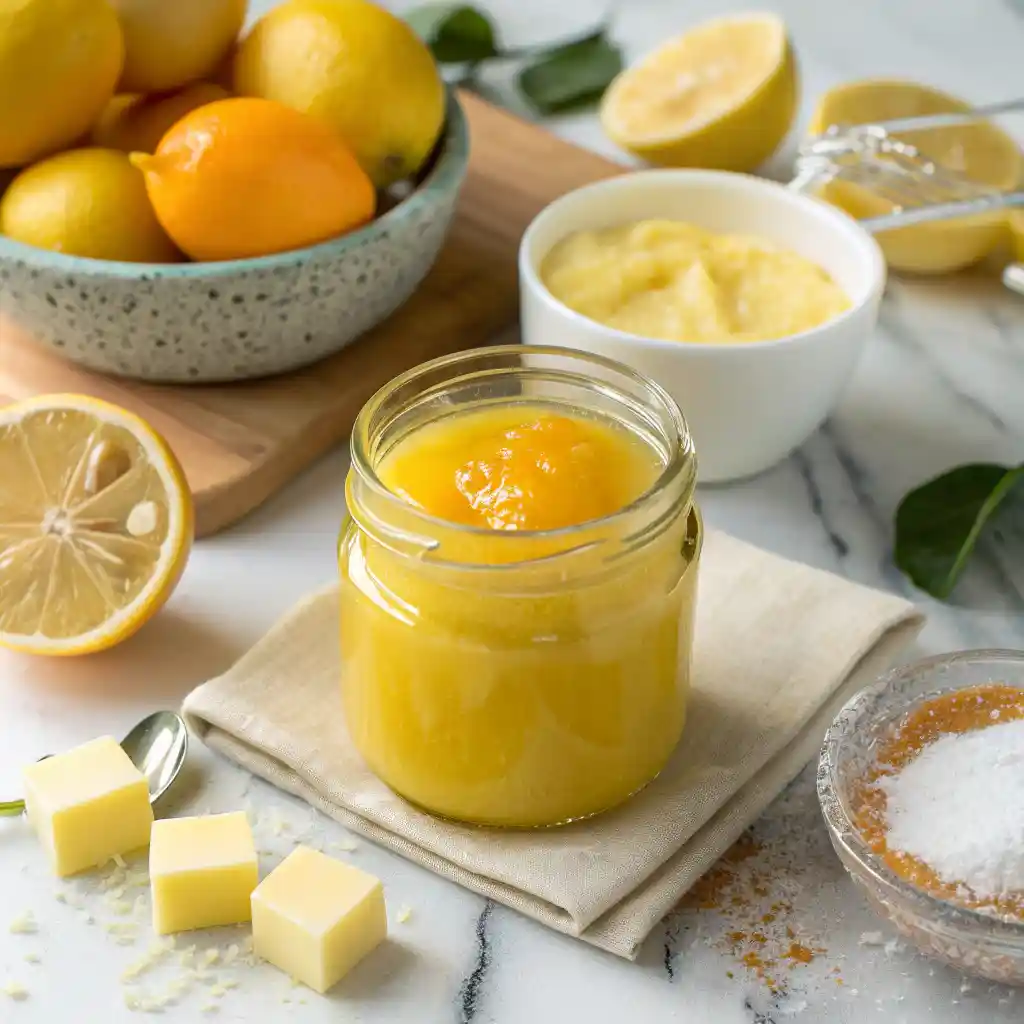
Essential Ingredients for the Perfect Lemon Curd
To create this delightful lemon curd recipe, you’ll need a few quality ingredients.
- 4 large egg yolks: These are key for richness and thickening. For an even thicker curd, see the note on eggs in the troubleshooting section.
- 2/3 cup (134g) granulated sugar: This provides sweetness and helps with the texture.
- 1 Tablespoon lemon zest: Use zest from about 1 fresh lemon. This is where the intense lemon aroma comes from!
- 1/3 cup (80ml) fresh lemon juice: Juice from about 2-3 lemons is usually needed. Always opt for freshly squeezed for the brightest flavor.
- 1/8 teaspoon salt: A tiny pinch enhances all the other flavors.
- 6 Tablespoons (85g) unsalted butter: Make sure it’s softened to room temperature and cut into pieces. Unsalted butter lets you control the saltiness, and softened butter incorporates smoothly.
Tools for Lemon Curd Success (and How to Improvise!)
Gathering the right tools makes making this lemon curd recipe a breeze!
- Double Boiler: Essential for gentle, even heating. No worries if you don’t have one – a heatproof bowl set over a saucepan of simmering water works perfectly!
- Silicone Whisk: Gentler on your egg mixture than metal, preventing lumps and scratches on your pan.
- Heatproof Bowl: For the top of your double boiler or DIY setup.
- Zester/Grater & Juicer: For getting that vibrant lemon zest and fresh juice.
- Candy or Instant-Read Thermometer (Optional): Helpful for precise temperature control, aiming for 170°F (77°C).
- Airtight Storage Containers: Jars or bowls are perfect for storing your finished curd.
How to Make the Best Lemon Curd Recipe: Step-by-Step
Here’s how to whip up this incredible lemon curd recipe:
- Prep Your Double Boiler: Fill the bottom pot of your double boiler with 1–2 inches of water. Place it on high heat. Once the water begins to boil, reduce the heat to low, maintaining a gentle simmer.
- Combine & Whisk: In the top pot of the double boiler (or your heatproof bowl), combine the egg yolks, granulated sugar, lemon zest, lemon juice, and salt. Whisk until thoroughly blended.
- Cook the Curd: Place the top pot over the simmering water. Whisk constantly as the mixture heats and thickens. Continue whisking until the curd reaches the consistency of hollandaise sauce, about 10 minutes. If using a thermometer, aim for around 170°F (77°C). If it’s not thickening, slightly increase the heat and keep whisking.
- Incorporate Butter: Remove the pot from the heat. Add the softened butter pieces, one by one, whisking until each piece is fully melted and incorporated into the warm curd.
- Cool & Store: Pour the finished lemon curd into a clean jar or bowl. Place a piece of plastic wrap directly onto the surface of the curd to prevent a skin from forming. Let it cool completely, then refrigerate. The curd will continue to thicken as it chills. Remove the plastic wrap before serving or storing long-term.
Tips for Perfectly Smooth and Flavorful Lemon Curd
Let’s make this lemon curd recipe shine!
Ingredient Preparation Tips
- Zest First: Always zest your lemons before you juice them. It’s so much easier when the lemon is whole and firm!
- Juice is Key: For that unmistakable bright, tangy flavor, always reach for freshly squeezed lemon juice. Bottled just won’t compare.
- Butter Softness: Ensure your butter is softened to room temperature – pliable but not melted. This makes it blend seamlessly into the warm curd.
Cooking & Whisking Techniques
- Gentle Heat is Best: A double boiler or a low simmer is your best friend here. It allows the eggs to thicken gradually without scrambling.
- Constant Whisking is Non-Negotiable: This is the golden rule for a silky smooth lemon curd recipe. Keep that whisk moving constantly!
- The Thickening Test: Aim for a consistency like hollandaise sauce. If you have a thermometer, 170°F (77°C) is your target.
Cooling & Finishing Touches
- Preventing the Skin: Pressing plastic wrap directly onto the surface while cooling is a simple, yet brilliant, trick to keep your curd smooth and luscious.
- Patience for Thickening: Remember, your lemon curd will thicken considerably as it cools. Avoid the temptation to overcook it initially!
Troubleshooting Common Lemon Curd Conundrums
Even the best cooks hit a snag sometimes! Here’s how to fix common issues with your lemon curd recipe:
Problem: My Lemon Curd Won’t Thicken
Possible Causes & Solutions:
- Insufficient Cooking Time: Simply keep it over gentle heat, whisking constantly, until it reaches that lovely thick consistency.
- Heat Too Low: Gently increase the heat to a soft simmer. Remember, constant whisking is your shield!
- Ratio Issues: Double-check your ingredient measurements. Precision matters in this lemon curd recipe!
Prevention: Follow the recommended cooking times and visually assess the texture.
Problem: My Lemon Curd is Lumpy or Scrambled
Possible Causes & Solutions:
- Heat Too High: The eggs cooked too fast! Don’t despair – strain the curd through a fine-mesh sieve to remove the lumps.
- Not Enough Whisking: If the lumps are minor, a good, vigorous whisking session off the heat might do the trick.
Prevention: Always use gentle heat and whisk diligently throughout the cooking process.
Problem: My Lemon Curd Tastes Grainy
Possible Causes & Solutions:
- Undissolved Sugar: Ensure the sugar is fully dissolved before the mixture begins to thicken. Keep whisking!
- Overcooking: Sometimes, cooking for too long can result in a grainy texture.
Prevention: Whisk until the sugar dissolves completely and avoid cooking beyond the desired thickness.
Problem: My Lemon Curd Separated
Possible Causes & Solutions:
- Cooked Too Hot or Too Long: The emulsion may have broken. Try whisking vigorously off the heat; sometimes, you can coax it back together.
Prevention: Gentle, consistent heat and diligent whisking are crucial for maintaining that beautiful emulsion.
Customizing Your Lemon Curd: Sweetness & Tartness
The beauty of this lemon curd recipe is its adaptability! Feeling a little more daring? Want it tangier or sweeter? You can absolutely tweak it. If you prefer a sharper, more intense lemon punch, go ahead and add a touch more fresh lemon juice or a bit more zest. Crave something sweeter? Increase the sugar slightly, but be mindful that adding too much sugar can sometimes affect how well the curd thickens. It’s all about finding your perfect balance!
Creative Flavor Variations Beyond Citrus
Ready to get creative with your lemon curd recipe? While lemon is divine, other flavors can be wonderfully incorporated.
| Variation | How to Incorporate | Flavor Notes |
|---|---|---|
| Vanilla Bean Curd | Add 1/2 tsp vanilla bean paste along with the butter. | Adds a warm, complex depth to the citrus. |
| Lavender Lemon Curd | Gently steep 1 tsp culinary lavender in the warm lemon juice before straining. | A sophisticated, floral aroma and delicate taste. |
| Minty Lemon Curd | Finely mince 1-2 tbsp fresh mint and whisk it in with the butter. | Incredibly refreshing with a bright, herbaceous finish. |
| Ginger Lemon Curd | Add 1 tsp finely grated fresh ginger along with the lemon zest. | Introduces a subtle, warming spicy kick. |
How to Substitute Other Citrus Fruits
Don’t have lemons on hand? No problem! This lemon curd recipe base works beautifully with other citrus fruits.
- Lime Curd: Swap lemons for fresh limes. Expect a tangier, more tropical flavor profile that’s equally delicious.
- Orange Curd: Use fresh orange juice and zest. This will yield a sweeter, less tart curd with a classic, comforting citrus taste.
- Grapefruit Curd: Try fresh grapefruit juice and zest for a subtly bitter-sweet edge that’s wonderfully complex.
Delicious Ways to Use Your Homemade Lemon Curd
Your glorious homemade lemon curd is incredibly versatile! It also shines swirled into layered treats like a No-Bake Strawberry Lasagna.
For Breakfast & Brunch:
- Spread generously on warm toast, fluffy bagels, or delicate scones.
- Swirl a spoonful into your morning yogurt or creamy cottage cheese.
- Use it as a delightful filling for light and airy crepes or fluffy pancakes.
For Desserts & Baked Goods:
- The quintessential filling for classic lemon tarts and pies.
- Layer between cake sponges for a dazzling lemon layer cake or a light chiffon cake.
- Dollop on slices of angel food cake or dense pound cake.
- Use as a luscious topping for cheesecake or smooth panna cotta.
- Stir into homemade mousse or churn into creamy ice cream.
- Fill delicate macarons or create sweet thumbprint cookies.
Savory Pairings (Yes, Really!):
- A surprising, bright glaze for roasted chicken or flaky fish.
- Offers a zesty counterpoint to rich pork dishes.
Storage, Freezing, and Gift-Giving Your Lemon Curd
Storing and sharing your lemon curd recipe creation is simple! For a sweet gift set, pair a jar with homemade strawberry jam.
- Refrigeration: Keep your curd fresh in an airtight container in the refrigerator for up to 10 days.
- Freezing: For longer storage, freeze in airtight containers or heavy-duty freezer bags for up to 3 months. Thaw it completely in the refrigerator; note that the texture might be slightly different after thawing.
- Gift-Giving: Spoon your beautiful lemon curd into charming small jars, seal them tightly, and tie with a pretty ribbon. Don’t forget a handwritten label with storage instructions and perhaps a few ideas for how to enjoy it!
A Little History: The Sweet Origin of Lemon Curd
While its exact origins are a bit fuzzy, lemon curd likely evolved from earlier British recipes for lemon “cheese” (which didn’t actually contain cheese!) in the early 19th century. It was a way to use up egg yolks and create something sweet and tart from readily available ingredients. It quickly became a beloved treat, celebrated for its bright flavor and luxurious texture, a true testament to simple ingredients making something wonderfully special.
Frequently Asked Questions About Lemon Curd
- Do I need to use lemon zest? Absolutely! Zest is crucial for that potent, authentic lemon aroma and deep flavor.
- My lemon curd won’t thicken, what can I do? Refer to the “Troubleshooting” section for detailed advice on adjusting heat and cooking time.
- My curd is lumpy, what do I do? Don’t worry! Strain it through a fine-mesh sieve and give it a good whisk. Check the “Troubleshooting” section for more tips.
- Do I need to strain it? While not always necessary if you’ve achieved perfect smoothness, straining is a smart insurance policy, especially if you’re new to making lemon curd.
Share Your Lemon Curd Creations!
I truly hope you’ll give this delightful lemon curd recipe a try! It’s one of my absolute favorites for bringing a little extra sunshine into the kitchen. I’d be absolutely thrilled if you’d come back and leave a comment sharing how it turned out for you, or perhaps ask any questions you might have. And please, tell me – what are your favorite ways to enjoy homemade lemon curd? Let’s spread the joy of delicious, homemade goodness together!