A Taste of Home: My Go-To Kung Pao Chicken Recipe
Hello friends! Kung Pao Chicken brings back memories of Friday nights craving something special—it’s a vibrant dish that feels like takeout but made with love. My recipe is incredibly quick, bursting with flavor, and guaranteed to become a new favorite.
Why You’ll Love This Kung Pao Chicken Recipe
- Lightning-Fast Flavor: This kung pao chicken comes together in about 30 minutes, making it perfect for busy weeknights when you crave something delicious but don’t have hours to cook.
- Perfectly Balanced Sauce: I’ve fine-tuned the sauce to hit all the right notes – savory, a little sweet, tangy, and just the right amount of heat, creating that irresistible flavor you’ll dream about.
- Incredibly Tender Chicken: Using a simple marinating and quick-cooking technique ensures your chicken is unbelievably tender and juicy every single time.
- Customizable Spice: You can easily adjust the heat level to your preference, making this kung pao chicken a winner for everyone at your table.
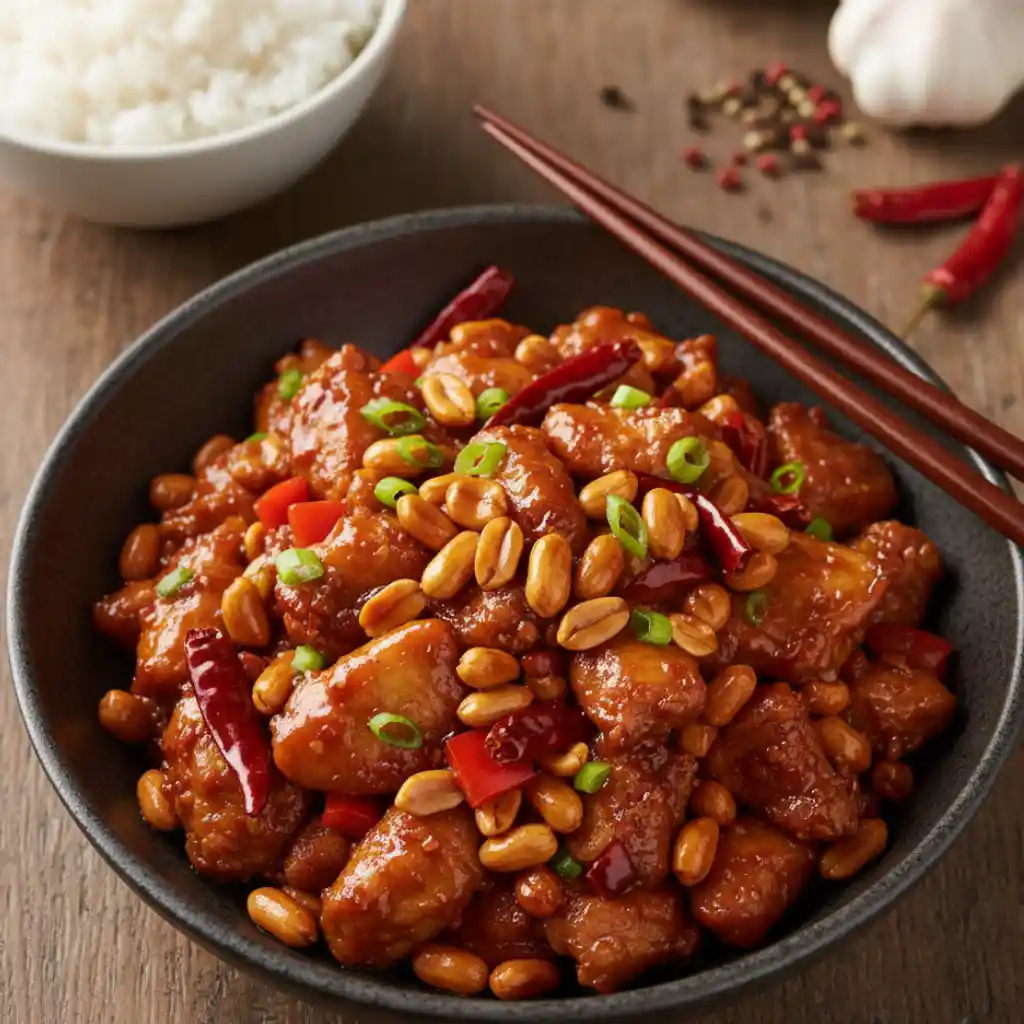
Amazing 30-Minute Kung Pao Chicken
Ingredients
Equipment
Method
- Marinate the chicken: In a medium bowl, whisk together the soy sauce, chicken broth, apple cider vinegar, and cornstarch until the cornstarch is dissolved. Add the chicken and toss to coat. Let stand at room temperature for 15 minutes, stirring occasionally.
- Prepare the sauce: In another medium bowl, whisk together all of the sauce ingredients until the cornstarch is dissolved (it can stick to the bottom of the bowl so be sure to scrape it up).
- Heat a large nonstick skillet over high heat until very hot. Add 1 tablespoon of the oil and swirl to coat. Add the bell pepper, celery, and salt and cook, stirring frequently, until slightly softened and starting to brown, about 5 minutes. Transfer the vegetables to a large bowl and set aside.
- Add an additional ½ tablespoon of oil to the pan and set over high heat. Add half of the chicken (it’s important not to crowd the pan) and brown on one side, about 1½ minutes. Turn the chicken pieces and continue cooking for about 1½ minutes more, or until the chicken is just cooked through. Transfer the chicken to the bowl with the peppers and celery. Add another ½ tablespoon of oil to the pan. Add the remaining chicken and cook until golden on one side, about 1½ minutes. Turn the chicken pieces over and cook for 1 minute. Add ½ tablespoon more oil to the pan, along with the garlic and scallions, and cook, stirring with the chicken, for about 30 seconds more.
- Add the reserved vegetables and reserved chicken to the pan, along with the sauce. Reduce the heat to low and cook until the chicken and vegetables are warmed through and the sauce is thickened, about 30 seconds. Stir in the nuts. Taste and adjust seasoning, if necessary, and serve. (Note: the sauce will thicken as it sits; thin it with a few tablespoons of water, if necessary.)
Notes
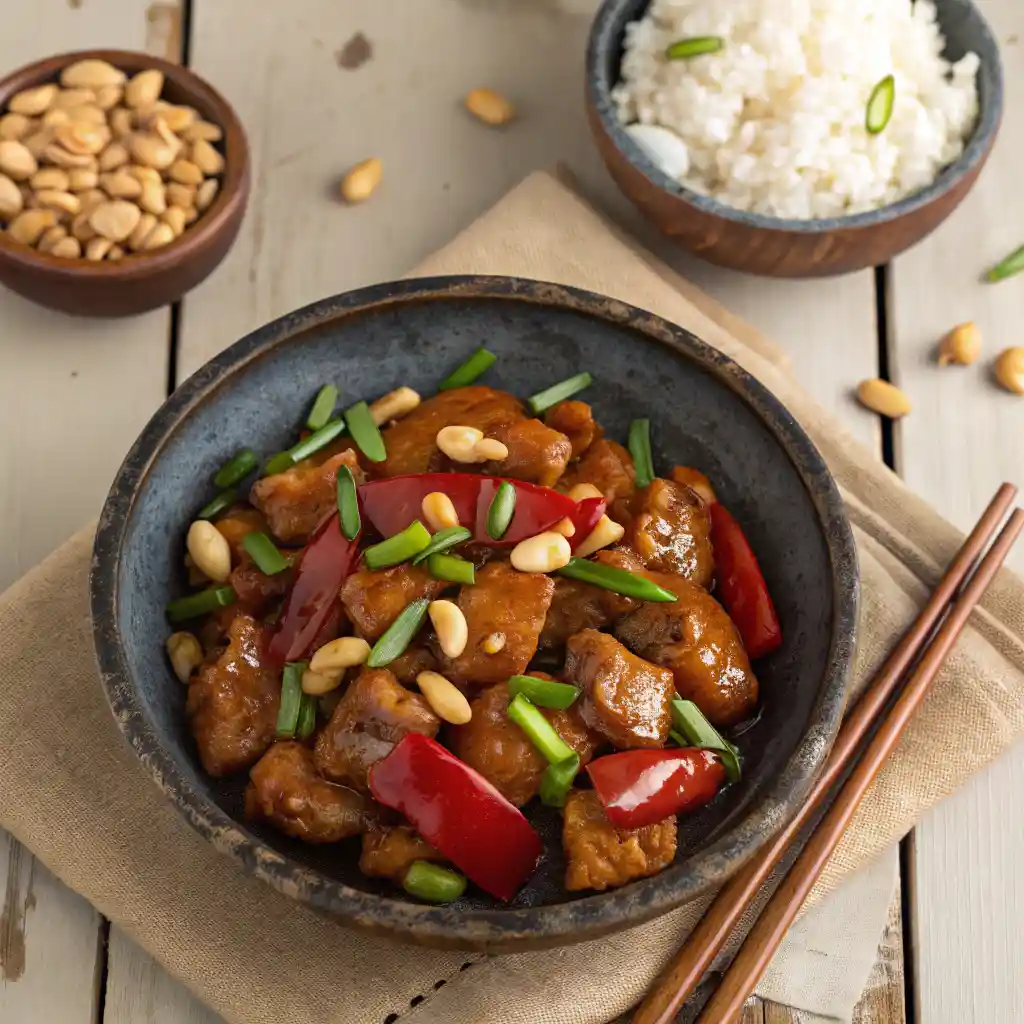
The Stars of the Show: Key Ingredients & How to Use Them
To make a truly spectacular kung pao chicken, we need a few key players!
Chicken: The Tender Star
I prefer using chicken tenderloins because they are naturally tender and cook very quickly, making them ideal for stir-fries. If you can’t find tenderloins, boneless, skinless chicken breasts work just as well. The trick is to cut them into uniform, bite-sized pieces (about 1-inch chunks) so they cook evenly. Marinating the chicken briefly not only adds flavor but also helps create that wonderfully tender texture we’re after.
The “Mala” Magic: Sichuan Peppercorns & Dried Chillies
These are the heart and soul of authentic kung pao chicken! Sichuan peppercorns aren’t actually spicy like black pepper; they deliver a unique citrusy aroma and a tingly, almost electric sensation on your tongue – that’s the “ma” in “mala.” To get the most flavor, toast them gently in a dry skillet over low heat for just a minute or two until fragrant, then grind them. For the “la” (heat), dried red chilies are essential. Facing Heaven chilies are a great choice for a balanced heat and fruity flavor. You can toast them briefly in the pan with the peppercorns or add them directly to the sauce. If you want less heat, simply remove the seeds before using them.
Building the Savory-Sweet Sauce
The magic of this kung pao chicken truly shines in its sauce. We’ll create a delightful balance using:
- Soy sauce: Provides that essential salty, umami base.
- Chicken broth: Adds depth and a touch of savoriness.
- Balsamic vinegar: Brings a subtle sweetness and tang that cuts through the richness.
- Hoisin sauce: This fermented soybean paste adds a complex sweet, savory, and slightly spicy flavor that’s a hallmark of many Asian sauces. Opt for a good quality brand like Kikkoman or Lee Kum Kee.
- Sesame oil: Toasted sesame oil adds a wonderful nutty aroma and flavor.
- Sugar: A touch of sweetness balances the salty and spicy elements.
- Corn starch: This is our thickening agent, creating that luscious sauce consistency that coats everything beautifully.
- Crushed red pepper flakes: For that kick of heat! Adjust the amount to your liking.
- Ground ginger: Adds a warm, pungent zing.
The Essential Crunch: Peanuts & Other Add-ins
Whole roasted, unsalted peanuts are classic in kung pao chicken, providing a delightful textural contrast and nutty flavor. I love adding them at the very end so they stay wonderfully crisp. We’ll also incorporate a vibrant mix of fresh vegetables for color, texture, and nutrients. Diced red bell pepper brings a mild sweetness and crunch, while thinly sliced celery adds a refreshing crispness. Garlic and scallions are sautéed briefly to infuse their aromatic flavors into the dish.
Mastering the Art of Stir-Frying: Tips for Success
The key to amazing stir-fried kung pao chicken is preparation! This technique relies on high heat and quick cooking, so having everything ready before you even turn on the stove is crucial. This is what we chefs call “mise en place” – everything in its place.
Here’s your pre-cooking checklist:
- Chop all your vegetables.
- Cut your chicken into uniform pieces.
- Whisk together your marinade.
- Whisk together your sauce ingredients.
- Have your peanuts and aromatics (garlic, scallions) measured and ready.
Using a wok is traditional for stir-frying because its sloped sides allow for rapid cooking and easy tossing. However, a large, heavy-bottomed skillet or frying pan works beautifully too! Ensure your pan is very hot before adding the oil. Once you’ve got the hang of that hot-and-fast technique, you’ll love making a 20-minute shrimp lo mein on busy nights too!
Velveting Chicken: The Secret to Ultimate Tenderness
To achieve that incredibly tender, melt-in-your-mouth chicken that’s characteristic of restaurant-style kung pao chicken, we’ll use a simple technique called “velveting.” It involves marinating the chicken with a mixture of soy sauce, broth, vinegar, and cornstarch. The cornstarch creates a protective coating around the chicken pieces. When cooked quickly over high heat, this coating traps the juices inside, preventing the chicken from drying out and resulting in a silky-smooth texture. This step is a game-changer for tender stir-fried chicken!
Step-by-Step Kung Pao Chicken Instructions
Let’s get cooking! This kung pao chicken recipe is straightforward and so rewarding.
- Marinate the chicken: In a medium bowl, whisk together 1½ tablespoons soy sauce, 1 tablespoon chicken broth, 1 teaspoon apple cider vinegar, and 2 teaspoons cornstarch until the cornstarch is dissolved. Add the 1½ lbs chicken tenderloins (or boneless skinless chicken breasts), cut into 1-inch pieces, and toss to coat. Let this mixture stand at room temperature for 15 minutes, stirring occasionally. This is our velveting step!
- Prepare the sauce: In another medium bowl, whisk together 1 tablespoon balsamic vinegar, 2 tablespoons soy sauce, 1 tablespoon hoisin sauce, 1 tablespoon sesame oil, 1½ tablespoons sugar, 1 tablespoon corn starch, ½ teaspoon crushed red pepper flakes (use half for milder heat), ¼ teaspoon ground ginger, and ⅓ cup water until the cornstarch is dissolved. Be sure to scrape the bottom of the bowl, as cornstarch can settle.
- Cook the vegetables: Heat a large nonstick skillet or wok over high heat until very hot. Add 1 tablespoon of vegetable oil and swirl to coat the pan. Add the diced red bell pepper, sliced celery, and ¼ teaspoon salt. Cook, stirring frequently, until the vegetables are slightly softened and beginning to brown, about 5 minutes. Transfer the cooked vegetables to a large bowl and set aside.
- Brown the chicken: Add another ½ tablespoon of vegetable oil to the hot pan. Add half of the marinated chicken (don’t crowd the pan!). Brown on one side for about 1½ minutes, then turn the pieces and cook for another 1½ minutes, or until the chicken is just cooked through. Transfer this batch to the bowl with the vegetables. Add another ½ tablespoon of oil to the pan, add the remaining chicken, and cook until golden on one side (about 1½ minutes). Turn the chicken pieces and cook for 1 minute more.
- Combine and finish: Add ½ tablespoon more vegetable oil to the pan, along with the chopped garlic and sliced scallions (white and green parts). Cook, stirring with the chicken, for about 30 seconds until fragrant. Add the reserved vegetables and cooked chicken back into the pan. Pour in the prepared sauce. Reduce the heat to low and cook, stirring, until the chicken and vegetables are warmed through and the sauce has thickened beautifully, about 30 seconds. Stir in the ⅓ cup whole roasted unsalted peanuts or cashews. Taste and adjust seasoning if needed. Serve your incredible kung pao chicken immediately!
Customize Your Kung Pao Chicken: Variations & Substitutions
This kung pao chicken recipe is wonderfully adaptable! Feel free to play around with these options:
| Category | Options | Notes |
|---|---|---|
| Protein | Tofu (firm or extra-firm), Shrimp, Thinly sliced Beef or Pork | Adjust cooking times accordingly. Pan-fry tofu until golden first. |
| Vegetables | Broccoli florets, Snow peas, Sliced carrots, Sliced mushrooms | Add towards the end of stir-frying to maintain crispness. |
| Spice Level | Increase red pepper flakes, add fresh sliced chilies, use chili oil | Experiment to find your perfect heat level. |
| Nuts | Cashews, Toasted Almonds, Skip nuts entirely | Ensure nuts are toasted for best flavor. Consider allergies carefully. |
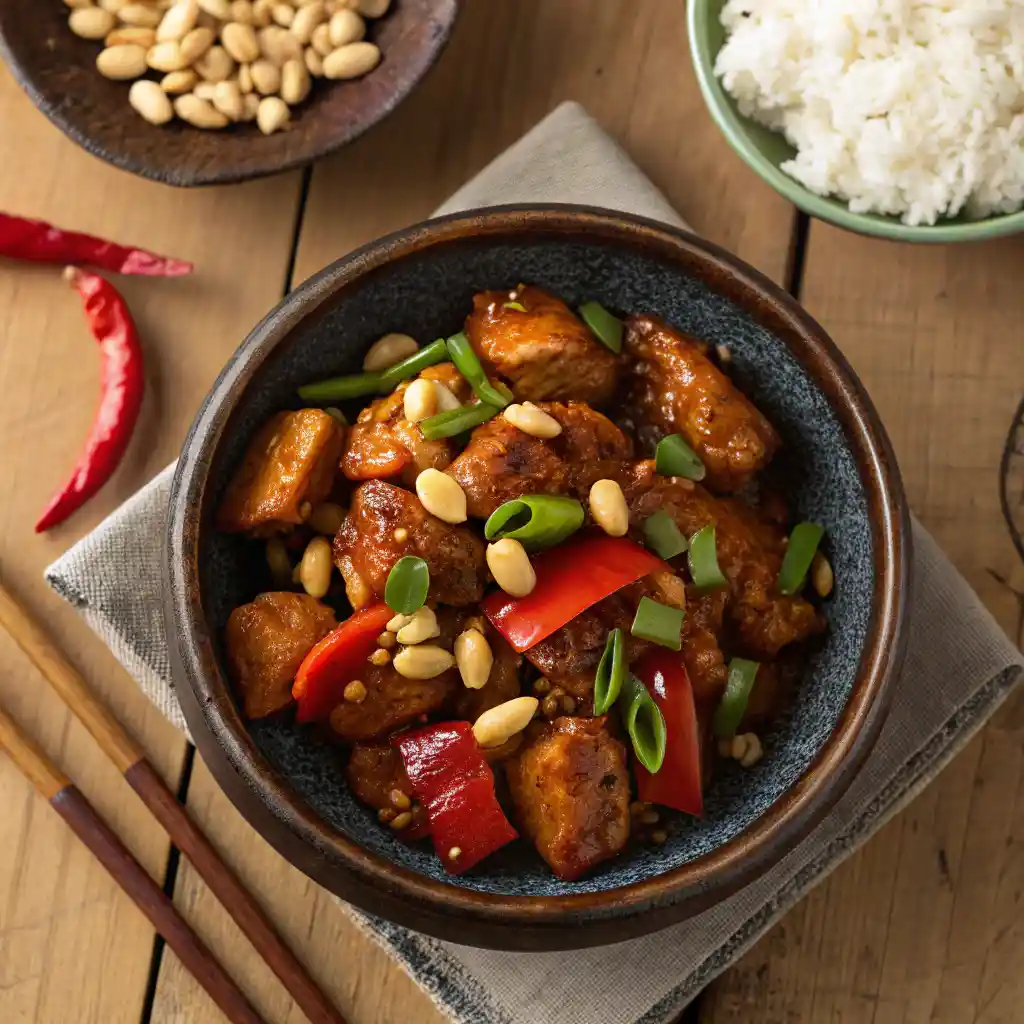
Troubleshooting Common Kung Pao Chicken Pitfalls
Don’t worry if your first attempt isn’t perfect! Here are some common issues and how to fix them:
- Chicken is dry or tough: This usually happens from overcooking or not velveting properly. Ensure you’re not overcrowding the pan and cooking the chicken quickly over high heat. The velveting marinade is your best friend here!
- Sauce is too thin or too thick: If it’s too thin, mix a teaspoon of cornstarch with a tablespoon of cold water and stir it into the simmering sauce. Let it cook for another minute to thicken. If it’s too thick, thin it with a splash of chicken broth or water.
- Achieving that authentic “restaurant taste”: Don’t skimp on the hoisin sauce and sesame oil! The balance of flavors is key. Also, ensuring your pan is scorching hot before adding ingredients makes a big difference.
- Inconsistent spice levels: This often comes down to the chilies used. Remove seeds for less heat, or add a pinch more red pepper flakes if you want it spicier.
Serving Your Delicious Kung Pao Chicken
This kung pao chicken is absolutely delightful served over fluffy steamed jasmine rice or brown rice. For an extra special meal, pair it with some steamed dumplings, crispy spring rolls, or crispy crab rangoon; and don’t forget a side of 5-minute dumpling sauce for dipping. A light, cold beer or a crisp white wine can also be a wonderful accompaniment to cut through the richness and spice.
Storage and Reheating Made Easy
Leftover kung pao chicken is a treasure! Store any cooled leftovers in an airtight container in the refrigerator for up to 3 days. To reheat, I find the best method is to gently warm it in a skillet over medium-low heat with a splash of water or broth, stirring frequently. This helps revive the sauce and keeps the chicken from drying out. Microwaving is also an option, but be sure to stir halfway through to ensure even heating.
Frequently Asked Questions
- What is Sichuan peppercorn? Sichuan peppercorns are the dried berries of a specific type of ash tree, known for their distinctive citrusy aroma and a tingling, numbing sensation they impart, rather than pure heat. They are a hallmark of Sichuan cuisine.
- Can I make kung pao chicken without dried chilies? Yes, you can! While dried chilies add authentic flavor and heat, you can omit them or substitute with a pinch of cayenne pepper or extra red pepper flakes if you prefer.
- What’s the best way to cut the chicken? Cut the chicken into uniform, 1-inch pieces. This ensures that all pieces cook evenly and in the same amount of time, preventing some pieces from becoming dry while others are still cooking.
- Why is my sauce not thickening? Ensure your cornstarch is fully dissolved in the liquid before adding it to the hot pan. Also, make sure you’re simmering the sauce for at least 30 seconds after adding it to the stir-fry; the heat activates the cornstarch’s thickening properties.
Let’s Get Cooking!
Doesn’t this kung pao chicken sound simply divine? I just know you’re going to love how quickly and easily you can bring this burst of flavor into your own kitchen. It’s proof that amazing, restaurant-quality meals are totally achievable, even on the busiest weeknights. So grab your apron, gather those ingredients, and let’s create some delicious magic together! I can’t wait to hear how your kung pao chicken turns out. Please share your photos and thoughts in the comments below – let’s connect and celebrate our cooking wins!