The Amazing Heavy Cream Hack: How to Make Heavy Whipping Cream in a Pinch
You know those moments when you’re halfway through a recipe and realize you’re missing a key ingredient? It happens to me all the time, especially when I’m dreaming up a decadent dessert or a silky-smooth sauce. One ingredient that often causes a little kitchen panic is How To Make heavy whipping cream. But don’t you worry! Today, I’m going to show you two things: the secret to achieving actual whipped cream perfection and a super-speedy substitute for when you’re completely out. You can whip up this quick fix in less than five minutes! We’ll cover how to make heavy whipping cream for both scenarios.
The Secret to Truly Whipped Cream: Understanding Heavy Whipping Cream
So, what makes heavy whipping cream so special and essential for those lofty, cloud-like peaks we all adore? It all comes down to its fat content! Real heavy whipping cream boasts a fat content of 36% or more. This higher fat percentage is the magic ingredient. When you whip it, the fat globules inside the cream start to bump into each other and clump together.
As they do, they trap tiny air bubbles. This process is called emulsification, and it’s how we get that glorious, airy texture that holds its shape. Without enough fat, the air just can’t get trapped, and your cream remains liquid. It’s like building a cozy house for air – you need sturdy walls (fat!) to keep it all in. Many dairy-free alternatives aim to replicate this, but they often rely on different emulsifiers and fat sources.
How to Whip Heavy Cream to Perfection
Whipping heavy whipping cream is one of those kitchen moments that feels almost magical. It’s so satisfying to watch liquid transform into fluffy goodness! The key is to start with everything super cold. Pop your mixing bowl and beaters (or whisk) in the freezer for about 15-20 minutes before you begin. This helps the fat globules firm up, making them more eager to trap air.
Pour your chilled heavy whipping cream into the cold bowl. Start mixing on a low speed. Once it begins to thicken slightly, gradually increase the speed to medium-high. Keep an eye on it! You’ll see it go from foamy to soft peaks (the kind that droop when you lift the beater) to stiff peaks (which stand straight up). Stop as soon as you reach your desired peak stage. Enjoy that fluffy perfection!
Troubleshooting Your Whipped Cream Attempts
Even with the best intentions, sometimes our heavy whipping cream has a mind of its own! Don’t get discouraged if it doesn’t turn out perfectly the first time. Let’s troubleshoot some common issues:
- Why didn’t my cream whip? The most common culprits are that your cream wasn’t cold enough, or it didn’t have a high enough fat content. Make sure you’re using heavy whipping cream (not half-and-half or milk) and that everything is chilled!
- My cream turned grainy/buttery: Uh oh, that usually means you’ve over-whipped it! The fat globules have clumped together too much, and you’ve essentially started making butter.
- How to fix slightly over-whipped cream: If you’re not too far gone, you can often rescue it by slowly whisking in a tablespoon or two of cold liquid, like milk or even more heavy cream. Gently fold it in until it smooths out.
How To Make Heavy Whipping Cream
Ingredients
Equipment
Method
- In a small saucepan, melt the ⅓ cup of unsalted butter over medium-high heat.
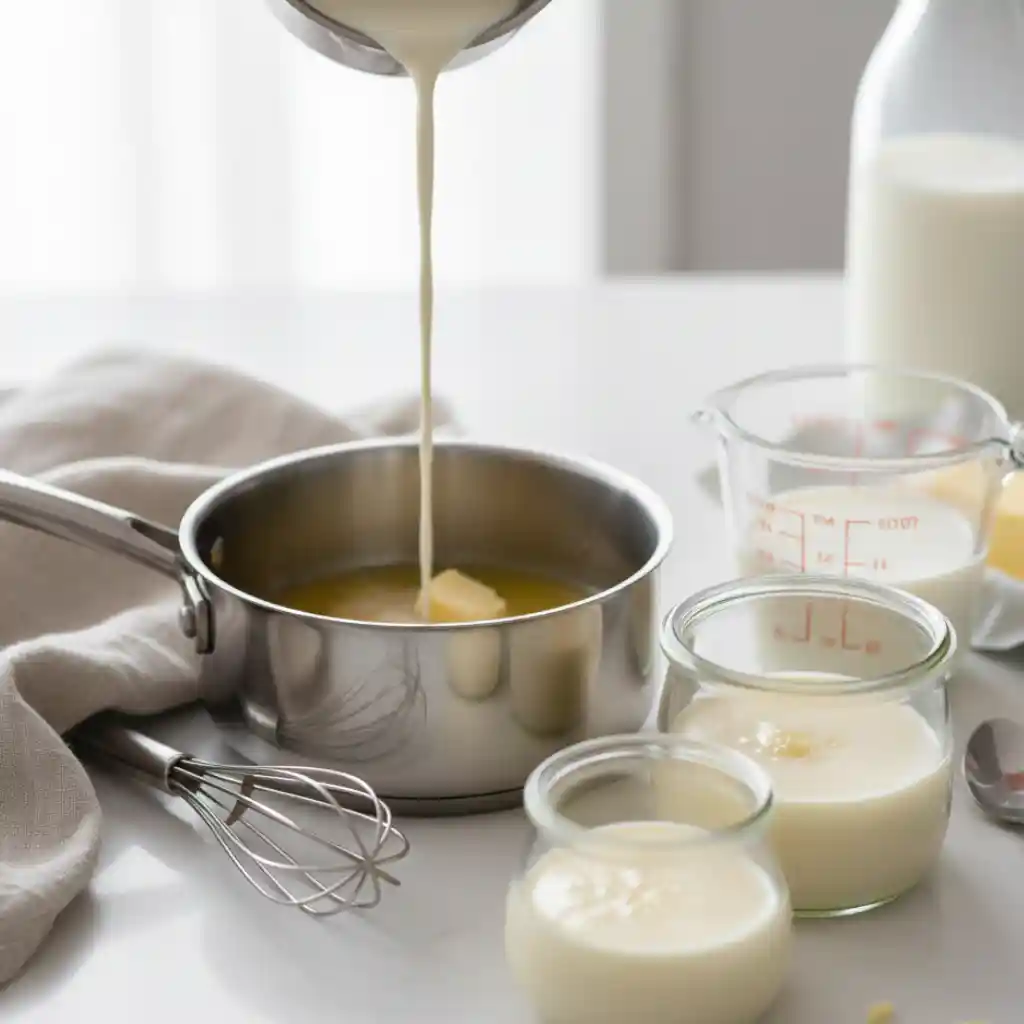
- Once fully melted, stir in the ⅔ cup of whole milk. Keep stirring gently for about 20 seconds to help them combine. Then, remove the pan from the heat and let it cool. Once it reaches room temperature or is slightly warm, it’s ready to use in your recipe, or you can store it in an airtight container in the fridge.
- Chill your mixing bowl and beaters (or whisk) in the freezer for about 15-20 minutes before whipping.
- Pour chilled heavy whipping cream into the cold bowl. Start mixing on a low speed. Once it begins to thicken slightly, gradually increase the speed to medium-high. Stop as soon as you reach your desired peak stage (soft or stiff).
Notes
The Quick Substitute: How to Make Heavy Whipping Cream (When You’re Out!)
Now, for the ultimate kitchen hack: what if you’re making a recipe that calls for heavy whipping cream but you’ve run out? Can you fake it? Yes, you absolutely can! This clever little mixture of milk and butter will give you a similar richness and consistency for many applications.
Important Note: This substitute is fantastic for adding richness to sauces, soups, or batters, but it cannot be whipped into airy peaks like real heavy cream. It just doesn’t have the right fat structure to trap air. Think of it as a stand-in for the creamy liquid aspect of heavy cream. For instance, this substitute works wonderfully in dishes like the Wonderful Lemon Orzo Soup Recipe or to add body to a rich Marsala Sauce Recipe.
Ingredients for the Substitute
- ⅔ cup whole milk
- ⅓ cup unsalted butter ((5 Tbsp))
How to Make the Heavy Cream Substitute
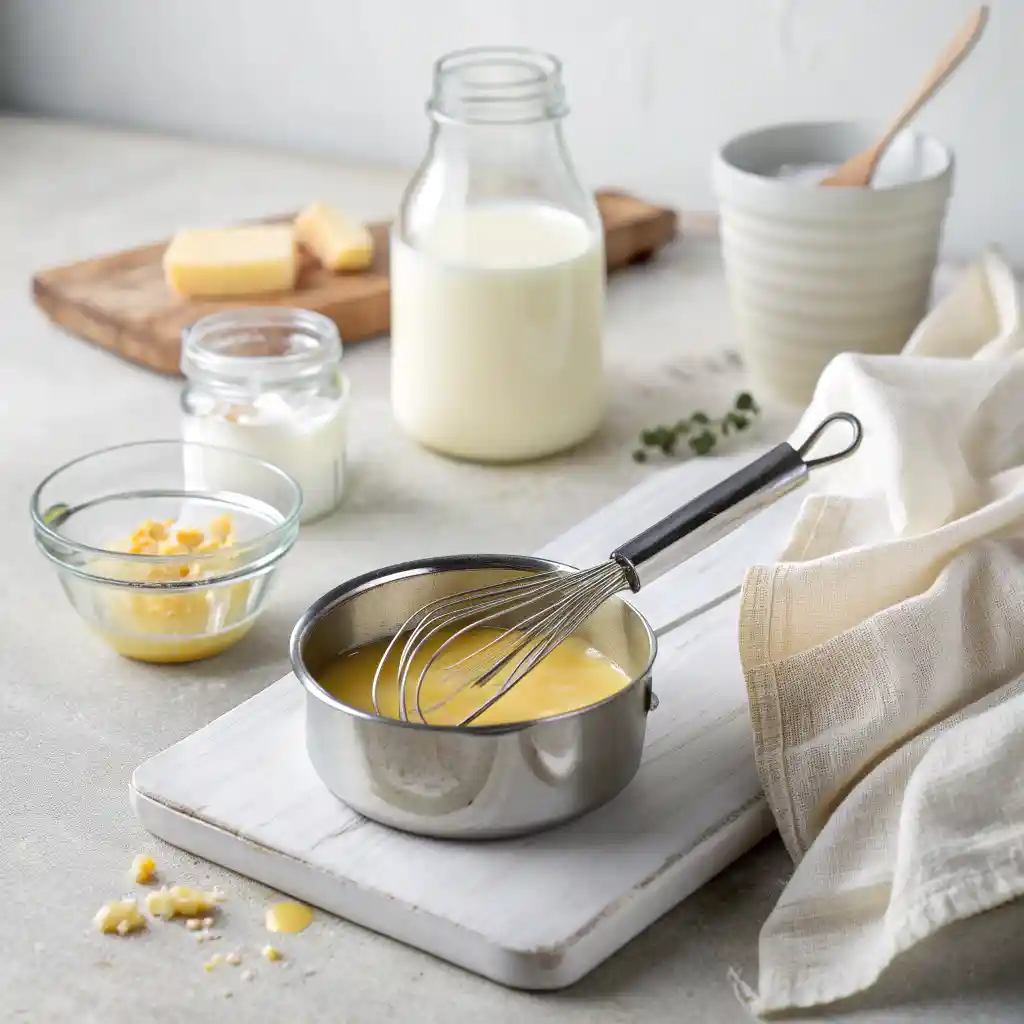
This couldn’t be simpler! Grab a small saucepan. Melt the ⅓ cup of unsalted butter over medium-high heat. Once it’s fully melted, stir in the ⅔ cup of whole milk. Keep stirring gently for about 20 seconds to help them combine. Then, remove the pan from the heat and let it cool. Once it reaches room temperature or is slightly warm, it’s ready to use in your recipe, or you can store it in an airtight container in the fridge.
The Science Behind the Substitute
Why does this simple mix work? When you combine warmed milk and melted butter, they create an emulsion. The fat from the butter disperses into the milk, creating a richer liquid that mimics the consistency and mouthfeel of how to make heavy whipping cream. Whole milk is key here because its natural fat content helps the butter integrate more smoothly. While it adds creaminess, the fat isn’t structured in a way that allows for aeration like true heavy whipping cream, which is why it won’t whip.
When to Use Real Heavy Cream vs. the Substitute
Choosing the right ingredient makes all the difference! Here’s a quick guide to help you decide when to reach for the real deal and when our trusty milk-and-butter substitute will save the day.
| Use Case | Best For: | Use: | Notes |
|---|---|---|---|
| Desserts & Toppings | Sweet, airy finishes | Real Heavy Whipping Cream | Essential for cakes, pies, fruit, and coffee. |
| Richness in Sauces & Soups | Velvety texture, flavor boost | Substitute (Milk + Butter) | Adds body and richness without the need for whipping. |
| Baking | Tenderizing doughs, moisture | Real Heavy Whipping Cream | Check specific recipes, as fat content matters. |
| Adding Body to Smoothies | Creamy texture | Substitute (Milk + Butter) | Can also use real heavy cream if preferred. |
| Creating a Luscious Ganache | Smooth, pourable chocolate | Real Heavy Whipping Cream | The fat content is critical for emulsification. |
| Enriching Mashed Potatoes | Creamy, decadent flavor | Substitute (Milk + Butter) | A great way to add that “special touch.” |
Storing Your Homemade Heavy Cream Substitute
Got some of our milk-and-butter magic left over? Great! Store it in an airtight container or jar in the refrigerator. It should stay fresh for about 3-5 days. You might notice that it separates a bit after sitting in the fridge – that’s totally normal! Just give it a good shake or a quick whisk before using it again to bring it back together.
Pro-Tips for Success
I’ve learned a few tricks along the way that might help you too!
- Always use unsalted butter for your substitute. This gives you better control over the saltiness of your final dish.
- For the substitute to emulsify best, ensure your milk is at room temperature. This helps it combine smoothly with the melted butter.
- If your substitute separates after cooling or in the fridge, don’t toss it! A quick whisk or vigorous shake will bring it right back together.
Frequently Asked Questions
Let’s tackle a few common questions about how to make heavy whipping cream and its substitutes.
- Can I whip the milk and butter substitute? No, unfortunately, you cannot whip this substitute. The fat content isn’t high enough or structured correctly to trap air and create stable peaks like real heavy whipping cream. For whipped toppings, you’ll need alternatives with at least 30% fat content that can hold peaks, such as coconut cream.
- Can I use 2% milk or non-dairy milk for the substitute? Whole milk is best for this recipe because its natural fat content helps the butter emulsify properly. Using lower-fat milks might result in a mixture that doesn’t combine as well, and non-dairy milks will likely cause separation, though some specific plant-based heavy cream alternatives are available.
- How long does the substitute last? When stored properly in an airtight container in the refrigerator, the milk and butter substitute typically lasts for 3-5 days.
- What’s the difference in fat content between real heavy cream and this substitute? Real heavy whipping cream has at least 36% milk fat. Our substitute is an emulsion of whole milk (around 3.25% fat) and butter (around 80% fat), resulting in a different, but still rich, fat profile suitable for enriching dishes.
Conclusion
Isn’t it wonderful to have options? Knowing how to make heavy whipping cream gives you confidence in the kitchen, whether you’re aiming for those dreamy whipped toppings or need a quick, rich liquid substitute in a pinch. These little kitchen hacks are what make cooking feel joyful and accessible, even on busy weeknights. I hope you feel empowered to try both the whipping method and the substitute! I’d love to hear about your successes or any creative ways you use these techniques. Drop a comment below and share your thoughts or questions! Let’s get cooking!
YOU CAN FOLLOW US ON THE PINTEREST