Easy Homemade Crème Fraîche: A Culinary Hug!
Hello, lovely cooks! buzzing with excitement to share a little kitchen magic with you today. There’s something incredibly special about transforming simple ingredients into something luxurious, and that’s exactly what we’re doing with this crème fraîche recipe. Imagine a dollop of pure creamy goodness, perfect for elevating any dish. It’s a little taste of heaven that’s surprisingly easy to whip up right in your own kitchen.
What is Crème Fraîche? A Cozy Culinary Introduction
So, what exactly is this delightful concoction we call crème fraîche? Think of it as a wonderfully rich, slightly tangy, cultured cream that feels like a warm hug in a bowl. Pronounced “krem fresh,” it hails from France and is a staple in their incredible cuisine. Unlike its cousins, it’s less tangy and boasts a velvety smooth texture that’s simply divine. It’s the kind of ingredient that makes you feel like a gourmet chef, even if you’re just stirring it into soup.
Why You’ll Love Making This Recipe
Get ready to fall head over heels for this homemade crème fraîche! I promise, it’s a game-changer for your cooking.
- It’s shockingly simple! You only need two ingredients and a little patience.
- Taste the unparalleled difference! Homemade simply sings with a fresh, delicate flavor.
- **Elevate everything!** From a simple bowl of berries to a complex sauce, it adds instant luxury.
- The joy of DIY! There’s a special kind of satisfaction in creating something so elegant yourself.
The Science Behind the Magic
Crème fraîche is created through fermentation. By introducing live cultures from yogurt or buttermilk, beneficial bacteria convert lactose into lactic acid, which thickens the cream and creates its signature tang. For the best results, avoid ultra-pasteurized cream, as the high heat treatment can hinder this delicate thickening process.
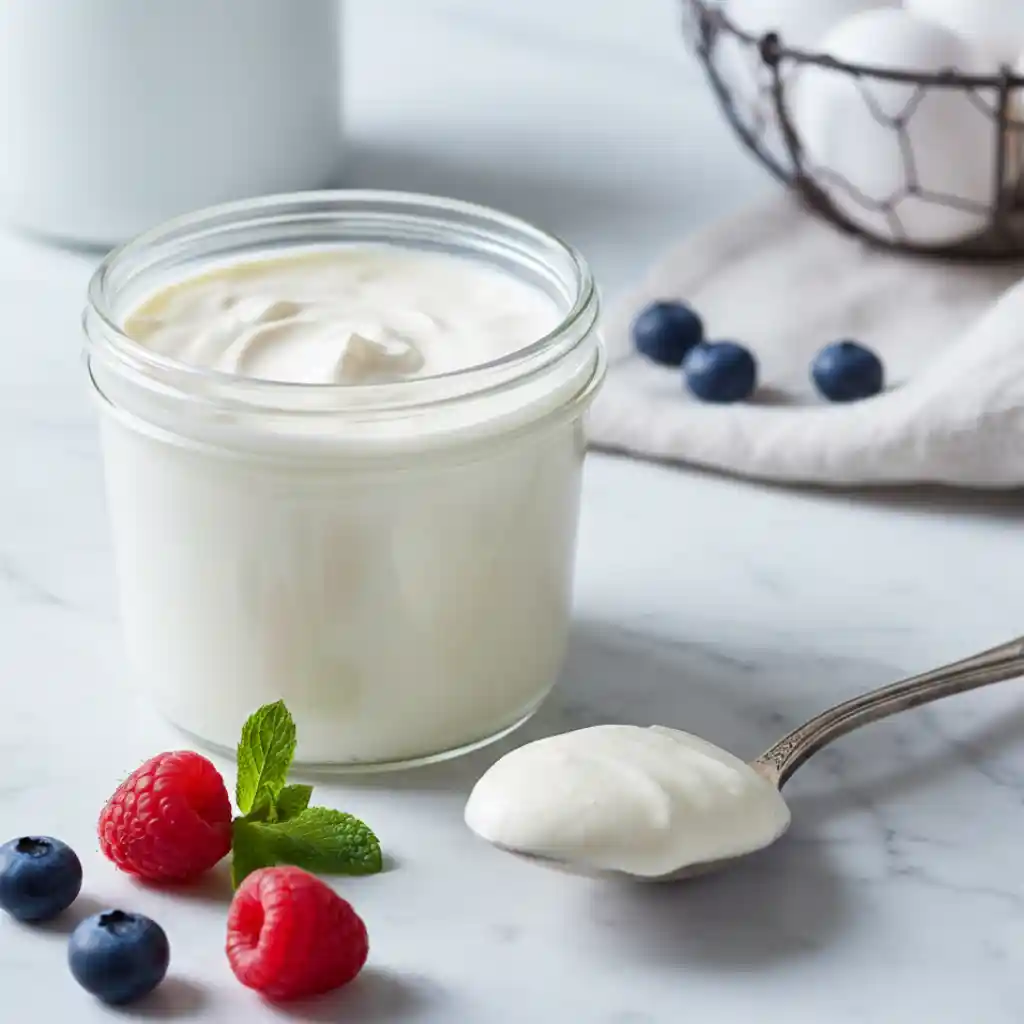
Easy Homemade Crème Fraîche
Ingredients
Equipment
Method
- In a medium bowl, whisk together the heavy cream and the plain yogurt (or cultured buttermilk). You’re looking for a smooth, uniform mixture with no streaks of yogurt remaining.
- Pour this lovely creamy mixture into a clean, medium-sized glass jar. Make sure it’s a jar that seals well, as you’ll be leaving it undisturbed.
- Securely tighten the lid onto the jar. Now, find a cozy spot for it to rest at room temperature for about 48 hours. You’re waiting for it to thicken to your desired consistency – it should be noticeably thicker, almost like a very soft pudding.
- Once it’s reached that perfect thickness, gently transfer the jar to the refrigerator. Let it chill thoroughly before using.
Notes
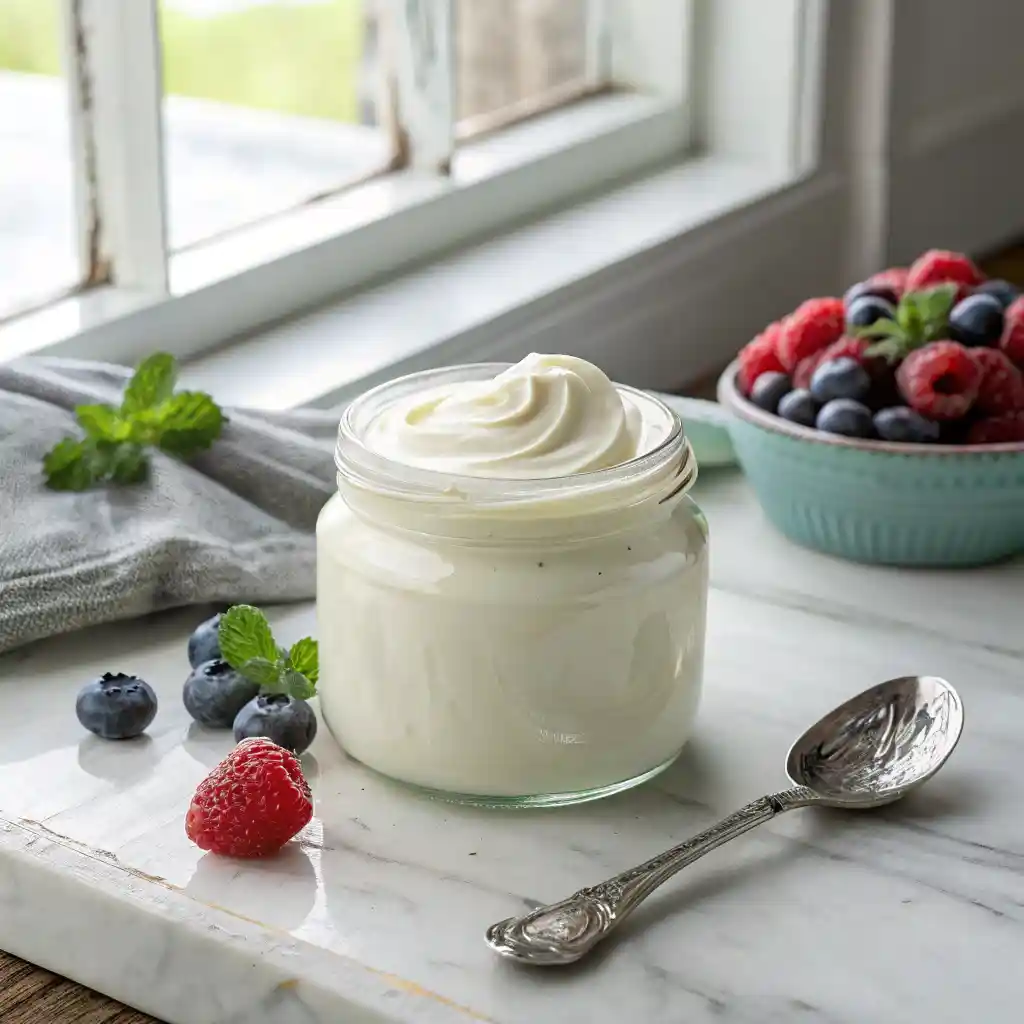
Gathering Your Simple Ingredients
The beauty of this crème fraîche recipe lies in its utter simplicity. You’ll be amazed at what you can create with just a couple of items from your fridge!
- 1 pint (16 oz/480 ml) heavy cream (full-fat is key here!)
- 2 tablespoons (1 oz/28 g) plain yogurt (or cultured buttermilk)
A Note on Cream: For the silkiest, richest crème fraîche, please opt for full-fat heavy cream. Lower-fat versions just won’t achieve that luxurious texture and flavor we’re after. The higher fat content is essential for the thickening process and the decadent mouthfeel. For more information on this essential ingredient, check out our guide on how to make heavy whipping cream.
Step-by-Step: Crafting Your Own Recipe
Ready to make some magic? This crème fraîche recipe is so straightforward, you’ll wonder why you didn’t make it sooner!
- Combine: In a medium bowl, whisk together the heavy cream and the plain yogurt (or cultured buttermilk). You’re looking for a smooth, uniform mixture with no streaks of yogurt remaining.
- Jar It Up: Pour this lovely creamy mixture into a clean, medium-sized glass jar. Make sure it’s a jar that seals well, as you’ll be leaving it undisturbed.
- Patience, Young Chef! Securely tighten the lid onto the jar. Now, find a cozy spot for it to rest at room temperature for about 48 hours. You’re waiting for it to thicken to your desired consistency – it should be noticeably thicker, almost like a very soft pudding.
- Chill Out: Once it’s reached that perfect thickness, gently transfer the jar to the refrigerator. Let it chill thoroughly before using.
A Little Extra Guidance: For the ideal room temperature, aim for something around 70-75°F (21-24°C). If your kitchen tends to be cooler, you can place the jar in a slightly warmer spot, like an oven that’s turned off but has been lightly warmed previously, or near a gentle heat source. If it’s too warm, the fermentation might happen too quickly or develop off-flavors, so try to find a stable, moderate temperature. You can cover the jar opening with cheesecloth secured by a rubber band if you prefer not to use a tight lid during the initial room temperature resting, allowing a little air exchange.
Troubleshooting Common For Recipe
Sometimes, our kitchen experiments hit a little snag, and that’s perfectly okay! Here are a few common crème fraîche hiccups and how to smooth them over:
- My crème fraîche isn’t thickening! Don’t panic! This can happen if your room temperature was too cool, your cream was ultra-pasteurized, or your yogurt/buttermilk didn’t have active enough cultures. Try giving it another 12-24 hours at a warmer room temperature. If it still won’t thicken, you can gently warm some heavy cream and whisk in a bit more yogurt, then try again.
- It tastes too sour/not tangy enough. The tang develops over time. If it’s not tangy enough after 48 hours, let it rest at room temperature for a few more hours, checking periodically. If it’s too sour, it might have fermented too long or at too high a temperature. For future batches, adjust the resting time or temperature.
- My mixture separated. A little separation can happen, especially if disturbed during fermentation. Gently stir it back together. If it’s quite watery, you can strain it through a fine-mesh sieve lined with cheesecloth for a few hours in the fridge to remove excess whey.
- I used ultra-pasteurized cream, what now? While not ideal, you might still get some thickening, but it could be less robust. You can try adding a bit more yogurt or buttermilk, or even a touch of pre-made crème fraîche or sour cream as a starter if you have some. Be patient and see what happens!
Equipment Essentials: What You’ll Need
You don’t need a fancy arsenal for this recipe! Just a few trusty kitchen companions will do:
- A Medium Bowl: Glass or ceramic is great, as they’re non-reactive.
- A Whisk: For getting everything nicely combined.
- A Glass Jar with a Lid: This is crucial for the fermentation process. A pint-sized Mason jar is perfect!
Comparing Crème Fraîche to Its Dairy Cousins
It’s easy to get dairy products mixed up! Here’s a little cheat sheet to help you navigate the creamy landscape and understand where crème fraîche fits in:
| Product | Texture | Flavor Profile | Best Uses | Key Differences |
|---|---|---|---|---|
| Crème Fraîche | Rich, velvety, thick | Mildly tangy, buttery, smooth | Sauces, soups, baking, dolloping on fruit/desserts, rich dips | Higher fat, less tangy than sour cream, richer than cream cheese. |
| Sour Cream | Thicker, slightly looser | Tangy, sharp, creamy | Toppings for baked potatoes/tacos, dips, some baking (adds moisture & tang) | More acidic/tangy, lower fat content typically, can curdle with high heat. |
| Whipped Cream | Light, airy, fluffy | Sweet (often), neutral cream | Desserts, beverages, pastry fillings | Aerated with air, very high water content, primarily for sweet applications. |
| Mascarpone | Dense, ultra-smooth, rich | Very mild, slightly sweet, milky, buttery | Tiramisu, cheesecakes, desserts, pasta sauces (adds luxurious body) | Extremely high fat content, not cultured, very mild flavor, denser than crème fraîche. |
Understanding these differences helps you choose the perfect creamy component for your culinary creations!
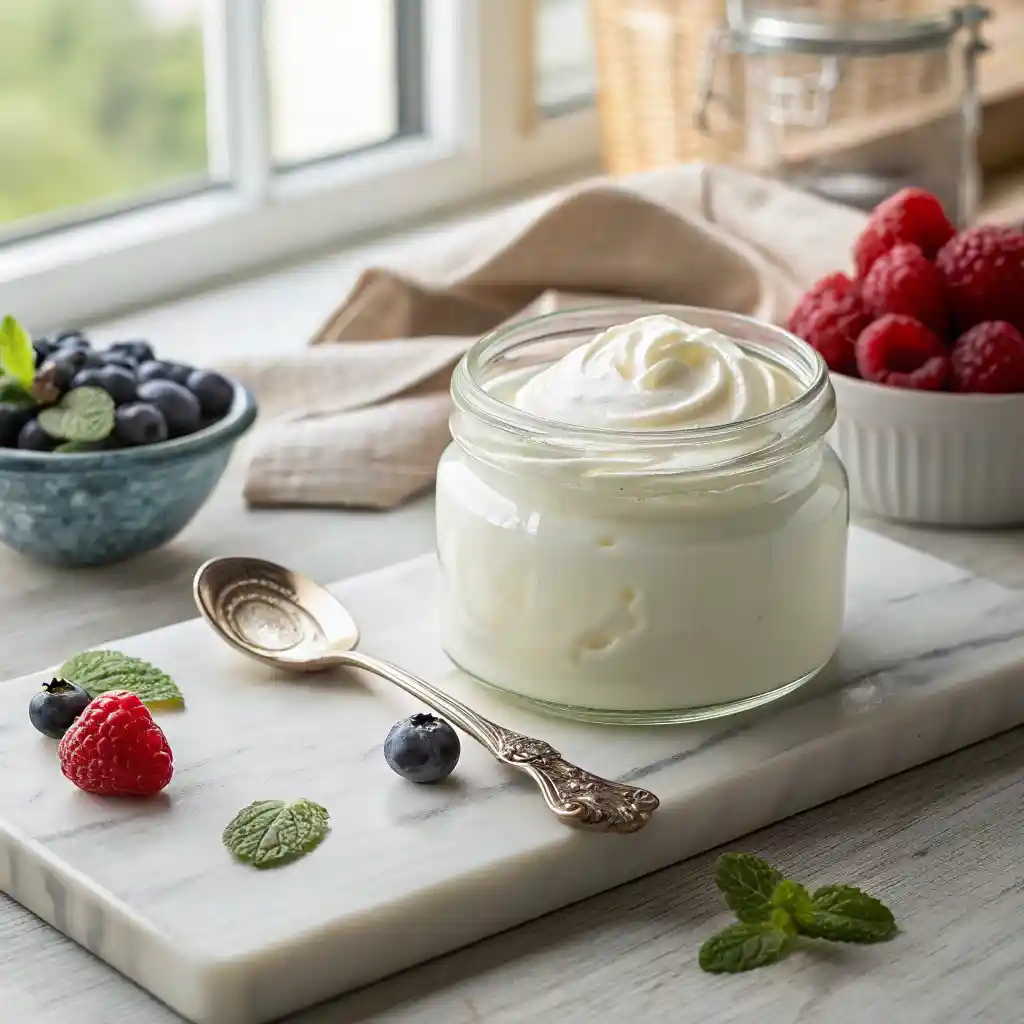
Delicious Ways to Use Your This Recipe
Oh, the possibilities are endless once you have a jar of glorious homemade crème fraîche! It’s not just for fancy French dishes; it’s a true kitchen workhorse.
- Savory Star: Stir a generous spoonful into your favorite pasta sauce for instant richness, swirl it into creamy soups like tomato or mushroom, or drizzle it over roasted vegetables for a touch of elegance. It’s also divine mixed with herbs for a quick veggie dip or spread on crostini. This could be a fantastic addition to a simple Hamburger Vegetable Soup Recipe for added creaminess.
- Sweet Sensation: Dollop it onto fresh berries, warm fruit crumbles, or slices of pie. Its slight tang cuts through sweetness beautifully. It’s also wonderful folded into delicate pastry creams or mousses.
- Breakfast Bliss: Imagine a spoonful on top of fluffy pancakes or warm scones. It adds a luxurious touch to your morning meal.
- Quick Dips & Spreads: Mix with chopped chives and a pinch of salt for a simple, elegant dip. Blend with garlic and herbs for a fantastic spread for sandwiches or wraps.
Storing Your Glorious Crème Fraîche
Keeping your homemade crème fraîche fresh is simple! Once it’s chilled in the refrigerator, it will keep beautifully for up to 7 days. Always store it in a tightly sealed container or the jar you made it in.
If you notice it becoming a bit too thick after a few days, don’t worry! You can gently stir in a teaspoon or two of milk or cream to reach your desired consistency. Always use your senses – if it smells off or looks visually unappealing, it’s best to discard it. But usually, this delightful dairy creation stays lovely for its full week in the fridge!
Frequently Asked Questions
Got questions about making your own crème fraîche? I’ve got answers!
- Can I use low-fat cream? Unfortunately, low-fat cream won’t give you the rich texture and flavor we’re looking for. Full-fat heavy cream is essential for success.
- What if I don’t have buttermilk or yogurt? You can use a store-bought crème fraîche as a starter, or even a plain kefir if you have that on hand. Just ensure it contains live active cultures.
- How do I pronounce crème fraîche? It’s pronounced “krem fresh.” The “crème” rhymes with “gem,” and “fraîche” sounds like “fresh” but with a slight French flair!
- Is it the same as sour cream? While similar, crème fraîche is less tangy and richer than most sour creams, making it more versatile for cooking without curdling.
Conclusion: Enjoy Your Culinary Creation!
Doesn’t it feel wonderful to create something so elegantly simple and utterly delicious right in your own kitchen? This homemade crème fraîche is proof that you don’t need complicated ingredients or fancy techniques to bring a touch of luxury to your meals. I truly hope you feel inspired to give this a try. There’s such joy in the process, and the reward is a jar of creamy perfection waiting to be discovered.
I’d absolutely love to hear how your crème fraîche turns out! Did you use it in a special dish? Drop a comment below and share your experience, or even better, tag me in your photos on social media! Happy cooking, friends!
FOLLOW US ON PINTEREST