Irresistible Fried Plantains: A Guide to Perfect Sweet & Savory Bites
Hello fellow home cooks! Sarah here, excited to share fried plantains—golden, tender delights that add sweet or savory magic to any meal. Master maduros or crunchy tostones with this guide. Let’s dive in!
Why You’ll Love This Fried Plantain Recipe
- Versatile Delight: Fried plantains are incredibly adaptable, working beautifully as a sweet side, a savory appetizer, or even a delightful snack.
- Simple Ingredients, Big Flavor: You only need a few pantry staples to transform humble plantains into something truly special.
- Quick & Easy: Perfect for busy weeknights or spontaneous cravings, these fried plantains come together in a flash.
- Customizable: Easily adjust seasonings to suit your taste, from a hint of spice to a touch of sweetness.
- Impressive Results: Despite their simplicity, perfectly cooked fried plantains look and taste incredibly gourmet.
Fried Plantains Recipe: Crispy & Delicious
Ingredients
Equipment
Method
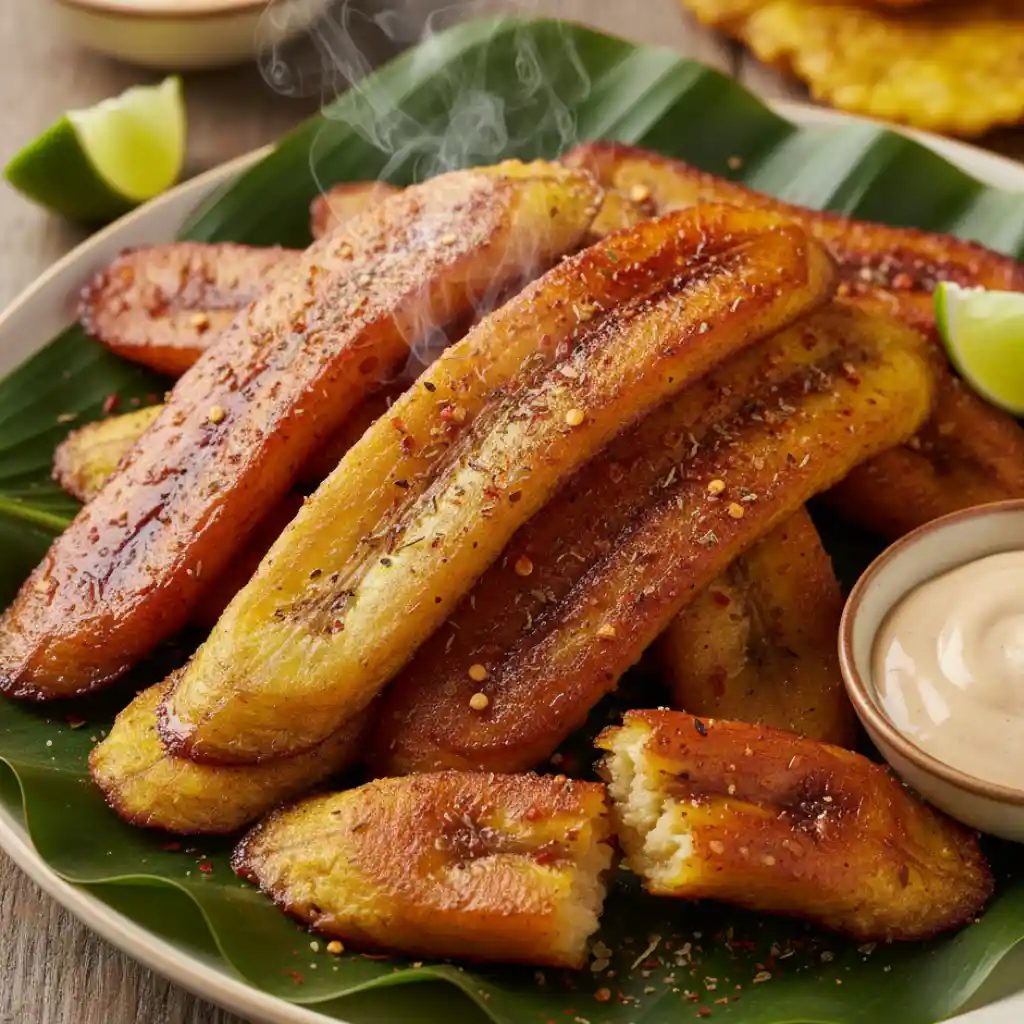
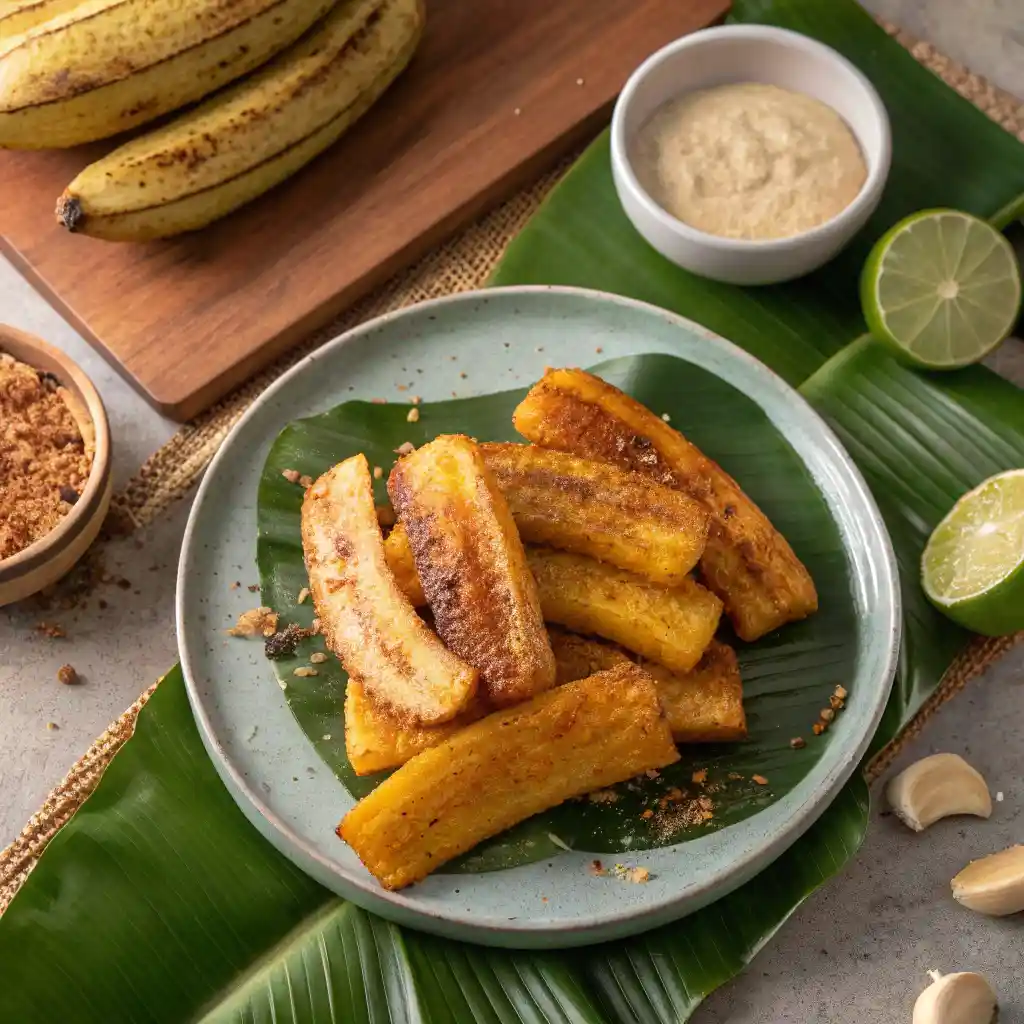
- Slice the plantains on a bias, at an angle, about 1/2-inch thick (as illustrated in images). Set the sliced plantains aside on a plate/platter or small baking sheet.
- Heat the oil in a large non-stick skillet over medium heat. Once the oil is hot and shimmering, add the plantain slices into the skillet – working in batches, careful not to overcrowd. Fry the plantains until golden brown and slightly crisp, about 2-3 minutes on each side. Use a slotted utensil (I like to use a fish spatula) to gently flip the plantains while frying; careful not to handle them too aggressively as they’re super tender.
- If you notice your plantains are browning too quickly, reduce the heat to medium-low. I find 2-3 minutes on each side to achieve perfectly crispy yet nice, tender-in-the-middle plantains. However, you can fry your plantains until they reach your desired level of doneness – just look for them to be caramelized on the outside with a buttery center.
- Set the fried sweet plantains onto a paper towel-lined plate to sop up any excess oil. Season the plantains, if desired. I like to sprinkle them with a mix of Creole Cajun seasoning and brown sugar – the perfect savory/sweet combo. Serve plantains immediately as a snack or alongside your favorite main entrees. Enjoy!
Plantains vs. Bananas: What’s the Difference?
It’s a common question, and an important one when you’re heading to the produce aisle! While they might look similar, especially when green, plantains and bananas are distinct fruits. The biggest difference? Plantains are significantly starchier and less sweet than their dessert banana cousins. This high starch content makes them unsuitable for eating raw; they really need to be cooked to unlock their best flavors and textures. Bananas, on the other hand, are sweeter and softer, meant to be enjoyed fresh. Think of plantains as the culinary workhorse of the fruit world!
Understanding Plantain Ripeness: Your Flavor Guide
The magic of fried plantains truly hinges on the ripeness of your starting ingredient. Let’s break it down:
- Green Plantains: These are firm, starchy, and not sweet at all. They are perfect for making Tostones. When fried, they develop a crispy exterior and a tender, almost potato-like interior. This is your savory plantain route.
- Yellow Plantains: As plantains ripen, they start to turn yellow and develop some sweetness. They’re a good middle ground, but I find they can sometimes be a bit inconsistent for frying.
- Black or Speckled Plantains: This is where the sweetness truly shines! When the skin is mostly black with some yellow or brown speckles, the plantain has reached peak ripeness and its starches have converted to sugars. These are ideal for making sweet Maduros or Amarillos. They’ll fry up beautifully caramelized and incredibly tender.
How to Fry Sweet Plantains (Maduros/Amarillos)
This is where we capture that beautiful, caramelized sweetness! For the perfect sweet fried plantains, we’ll use those ripe, black-skinned beauties. The process is wonderfully straightforward, yielding a tender, sweet, and utterly delicious result.
Ingredients for Sweet Fried Plantains
- 3 large (extra ripe!) plantains- peeled & then sliced on a bias
- 1/2 cup vegetable oil (or any neutral oil- see notes)
- 1/2 teaspoon Creole Cajun Seasoning— homemade or store-bought, (or seasoned salt, adobo, old bay)
- 1/2 teaspoon packed brown sugar
Instructions for Sweet Fried Plantains
- Slice the plantains on a bias, at an angle, about 1/2-inch thick (as illustrated in images). Set the sliced plantains aside on a plate/platter or small baking sheet.
- Heat the oil in a large non-stick skillet over medium heat. Once the oil is hot and shimmering, add the plantain slices into the skillet—working in batches, careful not to overcrowd. Fry the plantains until golden brown and slightly crisp, about 2-3 minutes on each side. Use a slotted utensil (I like to use a fish spatula) to gently flip the plantains while frying; careful not to handle them too aggressively as they’re super tender.
- If you notice your plantains are browning too quickly, reduce the heat to medium-low. I find 2-3 minutes on each side to achieve perfectly crispy yet nice, tender-in-the-middle plantains. However, you can fry your plantains until they reach your desired level of doneness—just look for them to be caramelized on the outside with a buttery center.
- Set the fried sweet plantains onto a paper towel-lined plate to sop up any excess oil. Season the plantains, if desired. I like to sprinkle them with a mix of Creole Cajun seasoning and brown sugar—the perfect savory/sweet combo. Serve plantains immediately as a snack or alongside your favorite main entrees. Enjoy!
How to Fry Savory Plantains (Tostones)
Now, let’s switch gears for the satisfyingly crispy and savory Tostones! These are made with green, starchy plantains and involve a delightful double-fry technique that ensures maximum crunch. They’re the perfect vehicle for bold flavors and make an excellent appetizer or side dish.
Ingredients for Tostones
- 2 large green plantains
- 1/2 cup vegetable oil (or other neutral oil), for frying
- Salt, to taste
- Optional: Garlic powder, adobo seasoning, or your favorite savory spice blend
Instructions for Tostones
- Prep the Plantains: Peel the green plantains. This can be tricky! Slice off both ends, then make a shallow slit down the length of the peel, being careful not to cut into the flesh. Use your knife or a spoon to gently pry the peel away. Cut the peeled plantains into 1.5 to 2-inch thick chunks.
- First Fry: Heat about 1/4 inch of oil in a large skillet over medium-high heat. Add the plantain chunks and fry for about 3-4 minutes per side, until lightly golden but not fully cooked through. They should be slightly tender. Remove from the skillet and place on a paper towel-lined plate.
- Flatten: While the plantain chunks are still warm (but cool enough to handle), place each piece between two sheets of parchment paper or plastic wrap and use the bottom of a glass, a mug, or a tortilla press to flatten them into discs, about 1/2-inch thick. Be firm but gentle.
- Second Fry: Heat the remaining oil in the skillet over medium-high heat. Carefully place the flattened plantain discs back into the hot oil (you might need to do this in batches). Fry for another 2-3 minutes per side, until golden brown and crispy.
- Season: Remove the tostones from the skillet and place them on a paper towel-lined plate. Immediately sprinkle generously with salt and any other desired seasonings while they are still hot. Serve hot!
Ripening Green Plantains for Sweetness
So, you’ve got your heart set on sweet fried plantains (Maduros), but your plantains are stubbornly green? Don’t worry, I’ve got a few tricks up my sleeve to speed up that ripening process!
- The Paper Bag Method: This is my go-to. Place the green plantains in a brown paper bag. To speed things up even more, toss in a ripe apple or banana. The ethylene gas released by these fruits will encourage ripening. Close the bag loosely and leave it on your counter for 1-3 days, checking daily.
- The Oven Trick: For a quicker fix, you can bake your green plantains. Place them whole on a baking sheet and bake at around 300°F (150°C) for 15-20 minutes, until they turn black. Let them cool completely before peeling and frying. This method changes the texture slightly but definitely brings out the sweetness.
- The Rice Bin: Bury your green plantains in a container of uncooked rice. The rice traps the ethylene gas, similar to the paper bag method, and helps them ripen faster.
Air Fryer Fried Plantains: A Healthier Alternative
If you’re looking to enjoy the deliciousness of fried plantains with a little less oil, your air fryer is your new best friend! It works wonderfully for both sweet and savory versions.
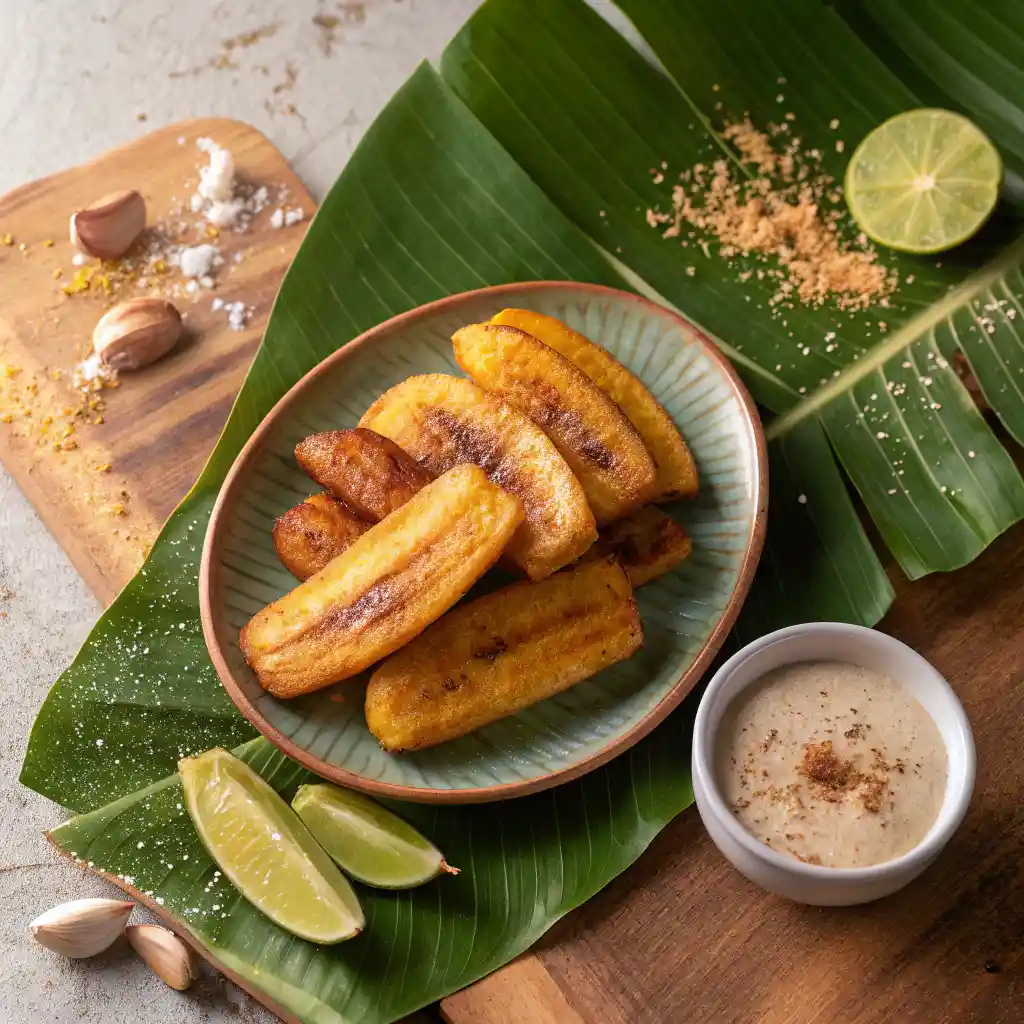
For Air Fryer Maduros (Sweet): Use very ripe, black plantains. Slice them about 1/2-inch thick. Lightly toss them with a tablespoon of oil (you can use cooking spray too!), a pinch of brown sugar, and a dash of cinnamon if you like. Arrange them in a single layer in your air fryer basket. Air fry at 375°F (190°C) for about 8-12 minutes, flipping halfway through, until caramelized and tender.
For Air Fryer Tostones (Savory): Use green plantains. Slice them into 1-inch thick chunks and follow the first fry step (boiling them for 10 minutes until slightly tender is a good alternative to pan-frying). Then, flatten them as usual. Lightly toss with oil or spray. Arrange in a single layer in the air fryer basket. Air fry at 400°F (200°C) for about 8-10 minutes, flipping halfway, until golden and crispy. Season immediately after cooking.
Troubleshooting Common Fried Plantain Problems
Even the most seasoned cooks can encounter a few hiccups in the kitchen! Here are some common issues with fried plantains and how to fix them:
- Plantains Sticking to the Pan: This often happens if the pan isn’t hot enough or if you’re using a pan that isn’t truly non-stick. Ensure your oil is shimmering before adding plantains, and use a good quality non-stick skillet. For tostones, ensure they are well-flattened.
- Burning Too Quickly: If the outside is browning too fast but the inside isn’t cooked, your oil is likely too hot. Reduce the heat slightly and keep a close eye on them. For maduros, very ripe plantains have more sugar, which caramelizes faster.
- Soggy Plantains: This usually means they were overcrowded in the pan, lowering the oil temperature, or they didn’t drain properly. Fry in batches and ensure they have enough space. Drain them well on paper towels. For tostones, the double-fry method is key to crispiness.
- Not Crisping Up (Tostones): Make sure you are flattening them sufficiently and that the oil is hot for the second fry. A longer second fry time can also help achieve that perfect crunch.
Tips for the Best Fried Plantains
Want to elevate your fried plantain game? Follow these simple tips for consistently delicious results:
- Choose the Right Plantains: For Maduros, super ripe, black-skinned plantains are essential. For Tostones, go for firm, bright green ones.
- Oil Temperature is Key: For Maduros, medium heat is usually best. For Tostones, medium-high heat is needed for that initial fry, and then back to medium-high for the second fry to ensure crispiness. The oil should be hot enough to sizzle immediately when a plantain slice is added.
- Don’t Crowd the Pan: Fry in batches! Overcrowding lowers the oil temperature, leading to greasy, soggy results. Give your plantains some space to crisp up beautifully.
- Gentle Handling: Especially for ripe Maduros, they are quite delicate when frying. Use a fish spatula or tongs to flip them gently to avoid breaking them apart.
- Drain Well: Always place fried plantains on a paper towel-lined plate or a wire rack to absorb excess oil. This is crucial for achieving that desirable crispiness.
Serving Suggestions: More Than Just a Side
Fried plantains are incredibly versatile and can be enjoyed in so many ways!
- Breakfast: Serve sweet Maduros alongside scrambled eggs, bacon, or even pancakes for a delightful sweet-and-savory start. Tostones are fantastic with eggs and avocado.
- Appetizers: Tostones are perfect topped with a dollop of guacamole, pico de gallo, shredded chicken, or a drizzle of garlic sauce. They make a fantastic base for little bites!
- Side Dish: Both sweet and savory versions are classic pairings for Caribbean and Latin American dishes like Ropa Vieja, Pernil, or grilled meats and fish. For a heartier meal, consider serving them with a Smothered Steak.
- Main Course: Stuff large Tostones with shredded meats, beans, or cheese for a hearty meal.
- Dessert: Sweet Maduros are often enjoyed on their own or served with a scoop of vanilla ice cream or a drizzle of condensed milk.
Storing & Reheating Fried Plantains
Leftover fried plantains are a true gift! However, they are best enjoyed fresh.
- Storage: Allow cooled fried plantains to drain completely. Store them in an airtight container in the refrigerator for up to 2-3 days. It’s best to store sweet and savory versions separately.
- Reheating: The key to reheating is to try and regain some crispiness. For Tostones, the oven or air fryer is your best bet. Spread them in a single layer on a baking sheet and reheat at around 350°F (175°C) for 5-10 minutes, or until warmed through and re-crisped. For Maduros, a quick pan-fry in a little oil over medium heat or a short stint in the air fryer can revive their tender warmth. Avoid the microwave if crispiness is a priority!
Frequently Asked Questions
Q: How do I peel plantains? A: For green plantains, slice off both ends, make a shallow slit down the peel lengthwise, and gently pry the peel away with a knife or spoon. Ripe plantains (Maduros) are often softer and their skins may peel away more easily, sometimes in large sections.
Q: What kind of oil is best for frying plantains? A: A neutral oil with a high smoke point is ideal. Vegetable oil, canola oil, or peanut oil work very well. This ensures the oil doesn’t burn before the plantains are cooked.
Q: My fried plantains are soggy, what did I do wrong? A: This usually happens from overcrowding the pan, which lowers the oil temperature, or not draining them properly. Ensure you fry in batches and drain well on paper towels. For Tostones, the double-fry method is crucial for crispiness.
Q: Can I make fried plantains ahead of time? A: While they are best enjoyed fresh, you can prepare Tostones and reheat them. Maduros are much softer and don’t reheat as well for crispiness, so it’s best to make those just before serving.
Conclusion & Call to Action
And there you have it – your complete guide to making incredibly delicious fried plantains, from sweet, caramelized Maduros to crispy, savory Tostones! I truly believe that anyone can master these simple yet spectacular recipes. They’re a joyful way to add a unique and comforting element to your meals, and I can’t wait for you to experience them.