Oh, hello there, bakers! Sarah here. I remember standing in my kitchen, the scent of something wonderfully sweet wafting from the oven, a stark contrast to the chaos of a busy day. That’s the magic of a good cake, isn’t it? It can transform an ordinary moment into something truly special. Today, I’m so excited to share a recipe that feels like a warm hug: my incredibly tender and moist French Butter Cake. With about 1 hour from start to finish, this delightful cake, featuring a tender crumb and a dreamy glaze, is perfect for any occasion.
Table of Contents
Why This French Butter Cake is Different (And Better!)
You might be wondering what makes this particular French Butter Cake stand out. Well, let me tell you, it’s a few little things that add up to pure deliciousness!
- Remarkably moist and tender thanks to a secret ingredient! That subtle tang from the yogurt makes all the difference, keeping every bite wonderfully soft.
- A breeze to whip up – perfect for any skill level! I’ve designed this recipe to be straightforward, so you can feel confident and enjoy the process.
- The glaze is pure magic and infuses right into the cake! It’s a simple syrup that melts beautifully into the warm cake, creating an irresistible, buttery-sweet layer.
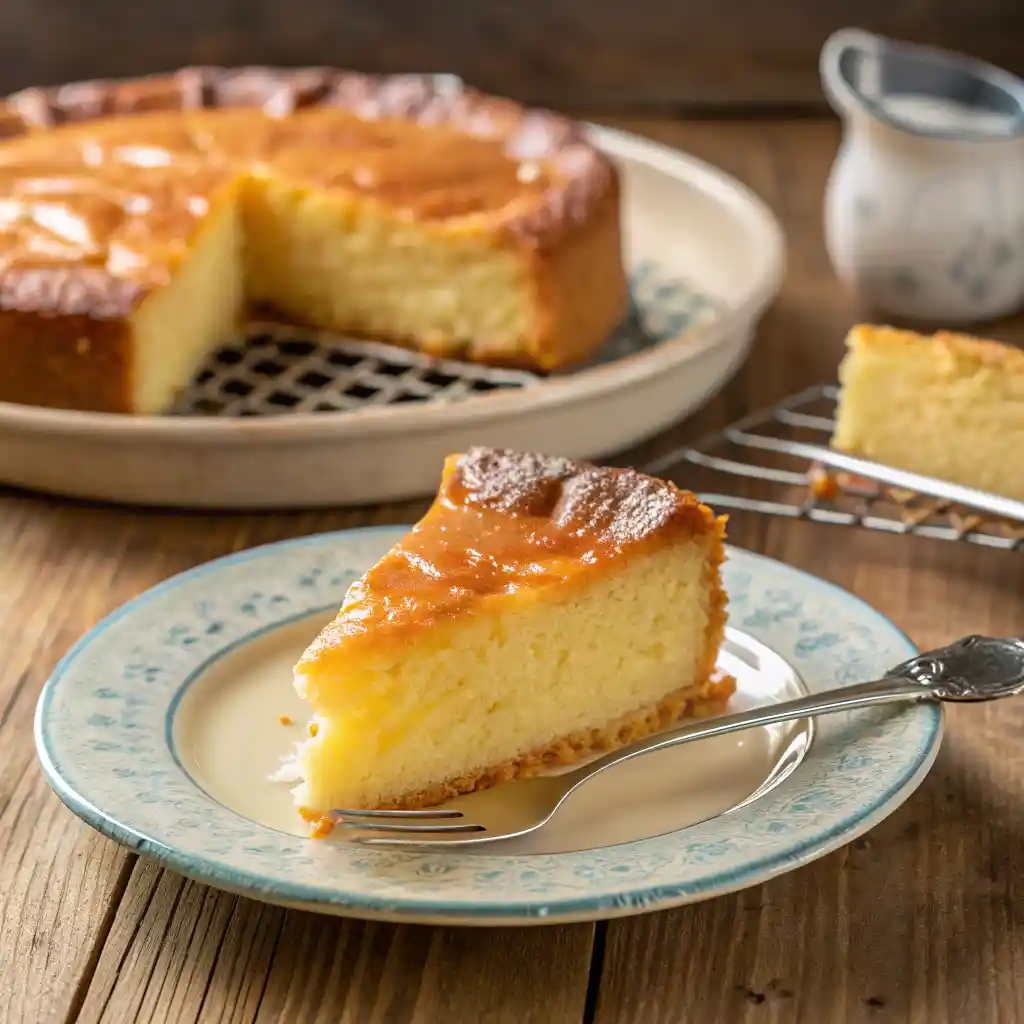
Ultimate French Butter Cake: Moist, Tender, and Glazed
Ingredients
Equipment
Method
- Preheat your oven to 350˚F (175˚C). Prepare an 8-inch round cake pan by spraying it generously with baking spray. Use a paper towel to rub the inside surface, ensuring an even coating. Line the bottom of the pan with parchment paper and give the parchment a light spray too. Set this aside.
- In a large bowl, combine the yogurt, 1 cup of sugar, eggs, and the vanilla and almond extracts. Whisk everything together until it’s beautifully blended.
- Add the baking powder and salt to the yogurt mixture. Whisk to combine. Now, add the flour and whisk again, but only until all the flour is just incorporated.
- Pour in the oil and stir well. Don’t be alarmed if it seems to separate a little at first; just keep stirring until the batter is smooth and unified.
- Pour the lovely batter into your prepared cake pan.
- Bake for 30-40 minutes. You’ll know it’s ready when the cake feels springy to the touch and a toothpick or cake tester inserted into the center comes out clean. Be vigilant; overbaking is the enemy of moist cake!
- While your cake is cooling slightly, let’s get that delicious glaze ready.
- In a small saucepan, combine the ⅓ cup sugar, butter, water, and the glaze extracts. Cook over medium heat, stirring often, just until the butter melts and the sugar dissolves completely. Do not bring this to a boil.
- Once the cake has cooled for a few minutes in the pan, use a pastry brush to slowly and gently brush about a quarter of the warm glaze all over the top of the cake.
- Carefully flip the cake out onto a cooling rack that’s been placed over a sheet of parchment paper or foil. The bottom of the cake is now your beautiful top!
- Using your pastry brush, generously apply the remaining glaze all over the new top and sides of the cake. Keep brushing until the glaze is gone; some will drip off, but most will soak right in, creating that signature glaze. Let your French Butter Cake cool for at least 30 minutes before serving. A little dusting of powdered sugar is optional but always lovely!
Notes
- Pan Prep: Use an 8-inch round pan for the correct height and baking time. Generously grease and line with parchment paper to prevent sticking, as the cake is very tender.
- Don’t Overmix: When adding the flour, mix only until just combined. Overmixing can make the cake dense rather than light and airy.
- Glaze Technique: Apply the first layer of glaze while the cake is still warm in the pan to let it soak in. Apply the second layer after flipping onto the cooling rack for a glossy finish.
- Storage: Store in an airtight container at room temperature for up to 3 days. The glaze keeps the cake incredibly moist.
A Little History & The “Butter” Mystery
The name “French Butter Cake” always brings a smile to my face because it conjures images of elegant Parisian patisseries. While its exact origins are a bit of a delightful mystery, it likely bridges the gap between classic French butter cakes and comforting American baking traditions.
Now, about the “butter” in the name – it’s a bit of a clever trick! You see, the cake batter itself uses a neutral oil for its primary fat. This is key! Unlike butter, which can sometimes lead to a denser crumb when creamed, oil keeps the cake incredibly moist, tender, and light. It allows the delicate flavors to shine and creates a texture that’s just sublime. The butter truly shines in that luscious, melt-in-your-mouth glaze that kisses the top. If you love that texture, you’ll also adore my melt-in-your-mouth whipped shortbread cookies for an easy, buttery treat.
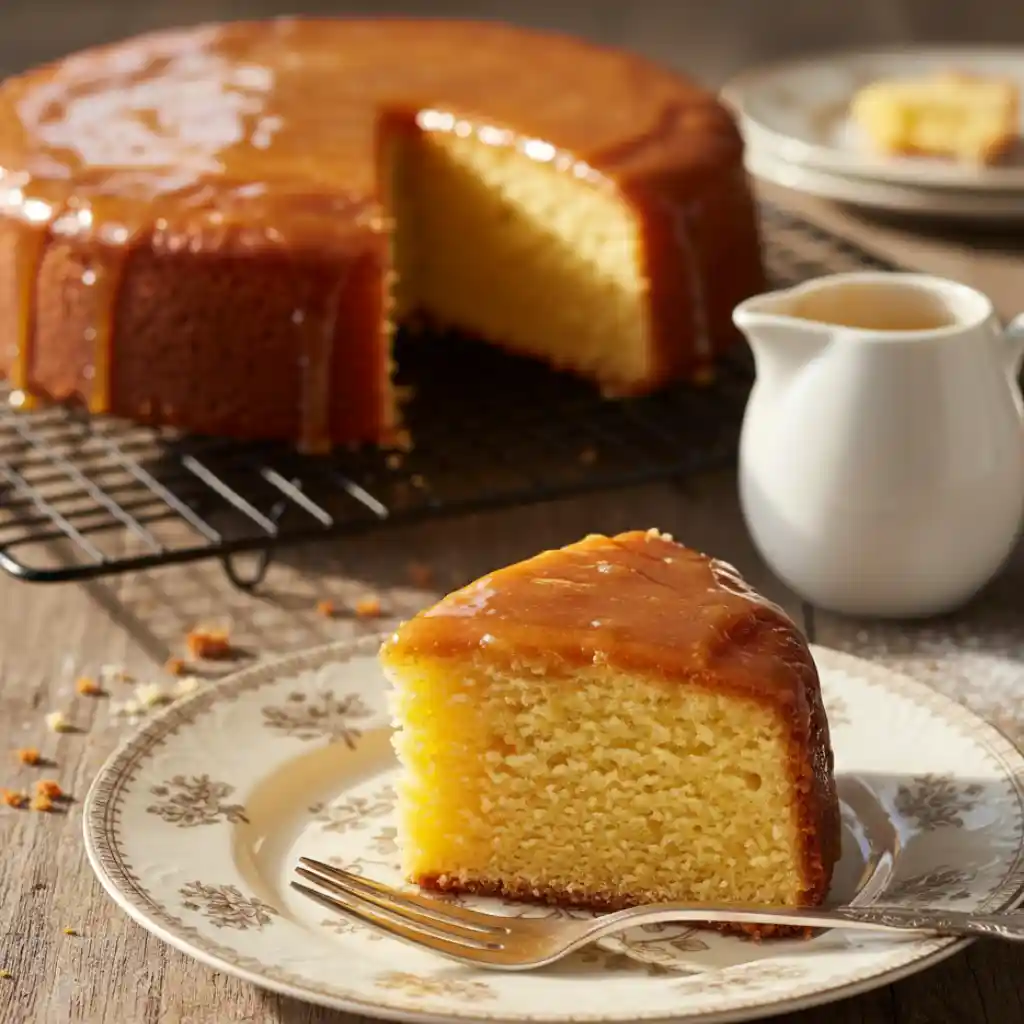
Ingredient Deep Dive: What Makes It So Special?
Every ingredient plays a starring role in this French Butter Cake, and I love explaining why! It’s like a little culinary symphony happening in your bowl.
- Yogurt/Greek Yogurt: This is my secret weapon for ultimate moisture and tenderness! A little bit of plain yogurt, whether regular or Greek-style, adds a subtle tang and ensures your cake is never dry.
- Neutral Oil: We’re using oil in the batter instead of butter for that incredibly soft, melt-in-your-mouth texture. Think of it as the secret to that light, airy crumb that just feels so comforting. Canola, vegetable, or sunflower oils work beautifully.
- Sugar, Eggs, Vanilla, Almond Extract: These are our flavor powerhouses! Sugar sweetens, eggs bind and enrich, and vanilla and almond extracts provide that classic, comforting aroma and taste that makes this cake so inviting.
- Flour, Baking Powder, Salt: These are the builders. Flour gives structure, baking powder provides the lift for a perfect rise, and a pinch of salt balances all the sweetness.
- Butter (for Glaze): This is where the real butter magic happens! Melted butter in the glaze adds that rich, decadent flavor and creates a beautiful sheen that makes this French Butter Cake truly irresistible.
Essential Tools for Your Baking Success
Having the right tools can make all the difference, turning a potentially stressful baking session into a joyful experience. Here’s what you’ll need to create your beautiful French Butter Cake:
- Mixing Bowls: A large one for the batter and a small one for the glaze will be your best friends. Ceramic or glass are lovely, but any sturdy bowls will do!
- Whisks and Spatulas: A good whisk is perfect for blending the wet ingredients and incorporating dry ones smoothly. A spatula is great for gently folding and scraping down the bowl.
- Cake Pan: An 8-inch round cake pan is ideal for this recipe, creating those perfect proportions for a beautifully even bake and glaze.
- Measuring Tools: Accurate measuring cups and spoons are crucial for consistent results every time. Baking is a science, after all!
- Pastry Brush: This is essential for applying that gorgeous glaze evenly all over your warm cake.
- Cooling Rack: A wire rack allows air to circulate, ensuring your cake cools properly without getting soggy on the bottom.
Step-by-Step: Crafting Your French Butter Cake
Alright, let’s get our hands in the dough (or batter, in this case!) and create this delightful French Butter Cake. Follow along closely, and you’ll have a masterpiece in no time!
- Preheat your oven to 350˚F (175˚C). Prepare an 8-inch round cake pan by spraying it generously with baking spray. Use a paper towel to rub the inside surface, ensuring an even coating. Line the bottom of the pan with parchment paper and give the parchment a light spray too. Set this aside.
- In a large bowl, combine the yogurt, 1 cup of sugar, eggs, and the vanilla and almond extracts. Whisk everything together until it’s beautifully blended.
- Add the baking powder and salt to the yogurt mixture. Whisk to combine. Now, add the flour and whisk again, but only until all the flour is just incorporated.
- Pour in the oil and stir well. Don’t be alarmed if it seems to separate a little at first; just keep stirring until the batter is smooth and unified.
- Pour the lovely batter into your prepared cake pan.
- Bake for 30-40 minutes. You’ll know it’s ready when the cake feels springy to the touch and a toothpick or cake tester inserted into the center comes out clean. Be vigilant; overbaking is the enemy of moist cake!
- While your cake is cooling slightly, let’s get that delicious glaze ready.
- In a small saucepan, combine the ⅓ cup sugar, butter, water, and the glaze extracts. Cook over medium heat, stirring often, just until the butter melts and the sugar dissolves completely. Do not bring this to a boil.
- Once the cake has cooled for a few minutes in the pan, use a pastry brush to slowly and gently brush about a quarter of the warm glaze all over the top of the cake.
- Carefully flip the cake out onto a cooling rack that’s been placed over a sheet of parchment paper or foil. The bottom of the cake is now your beautiful top!
- Using your pastry brush, generously apply the remaining glaze all over the new top and sides of the cake. Keep brushing until the glaze is gone; some will drip off, but most will soak right in, creating that signature glaze. Let your French Butter Cake cool for at least 30 minutes before serving. A little dusting of powdered sugar is optional but always lovely!
Pan Preparation Perfection
Getting your cake pan ready is a crucial step for a flawless French Butter Cake. This isn’t just about preventing sticking; it’s about ensuring your cake releases with grace, looking as beautiful as it tastes. Start with a good quality baking spray, coating every nook and cranny. Then, take a paper towel and gently rub the inside surfaces – this creates an ultra-thin, even layer that butter or shortening can sometimes miss. Lining the bottom with a circle of parchment paper is your insurance policy against any stubborn bits. Give the parchment a quick spray too, just to be safe. This careful preparation guarantees your masterpiece will slide out like a dream.
Mixing Techniques Explained
The way we mix our batter has a huge impact on the final texture of your French Butter Cake. Let’s dive into why these steps matter:
- Blending Yogurt Mixture: Whisking the yogurt, sugar, eggs, and extracts until well blended isn’t just about making it look pretty. It ensures the sugar starts to dissolve and the eggs are fully incorporated, creating a smooth, emulsified base that will lead to a tender crumb.
- Adding Flour: When you add the flour, it’s important to whisk just until blended. Overmixing flour develops gluten, which can make your cake tough and dense instead of light and airy. We want to gently combine, not vigorously beat!
- Incorporating Oil: It’s normal for the batter to look a bit separated or oily when you first add the oil. Don’t panic! Keep stirring gently and consistently. This process helps the oil emulsify into the batter, creating that signature smooth texture and ensuring the fat is evenly distributed for a tender cake.
Baking Time & Doneness Tests
Achieving that perfect bake is the sweet spot for any cake, and this French Butter Cake is no exception. The 350˚F (175˚C) oven temperature is carefully chosen to ensure even cooking without scorching the outside before the inside is done.
To test for doneness, look for that beautiful golden hue. When you gently press the top of the cake, it should feel springy and bounce back slightly – a sign the structure is set. The ultimate test, of course, is the toothpick inserted into the center; if it comes out clean with no wet batter clinging to it, your cake is ready!
Beware of overbaking! A few extra minutes can turn a moist cake into a dry one. Ovens can be wonderfully unique, so keep a close eye on your cake during the last 10 minutes of baking. If it’s browning too quickly, you can loosely tent it with foil.
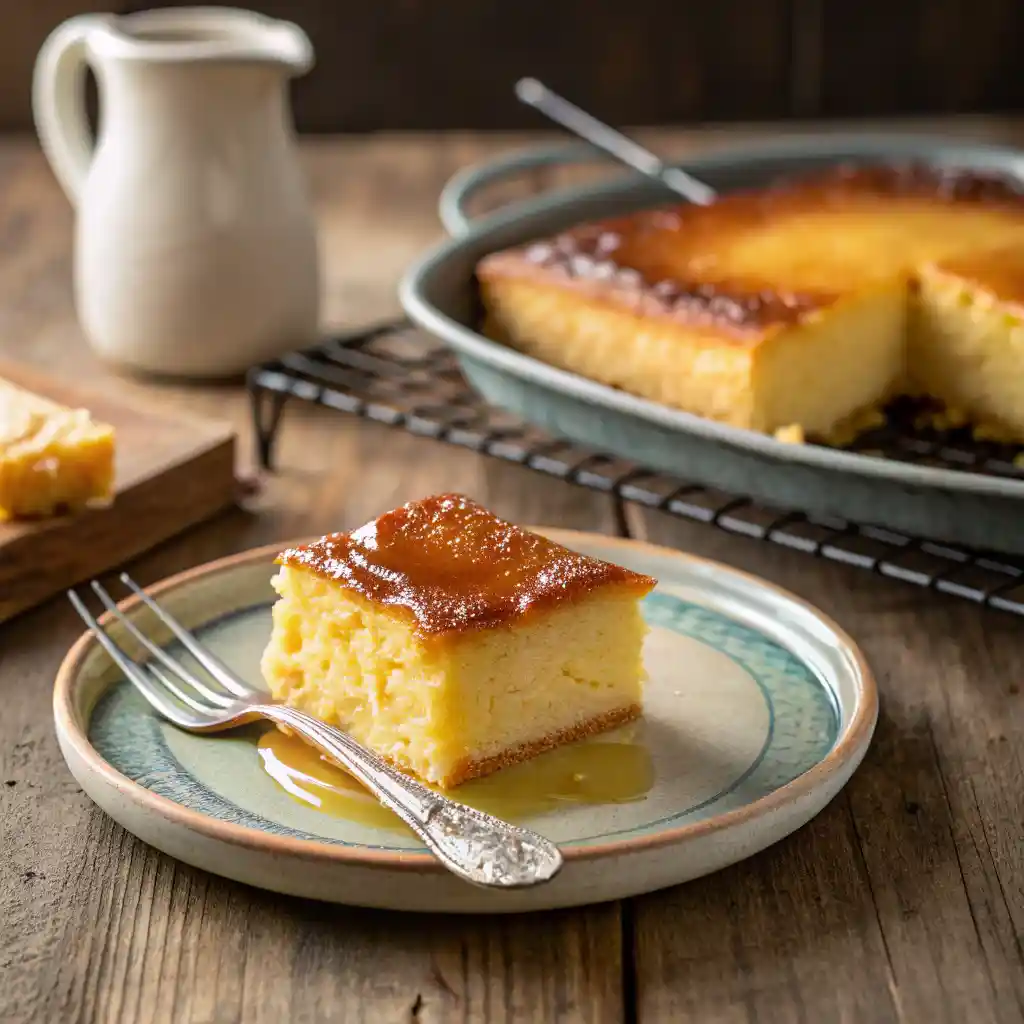
Glaze Application: A Sweet Finish
The glaze on this French Butter Cake is pure indulgence! For preparation, gently combine the sugar, butter, water, and extracts in a small saucepan. Heat over medium heat, stirring frequently, just until the butter melts and the sugar dissolves. It’s crucial not to bring it to a boil, as this can alter the texture.
Once the cake has cooled slightly in the pan, it’s time for the first brush of glaze. Using a pastry brush, gently apply about a quarter of the warm glaze all over the cake’s surface. This allows the first layer to begin soaking in.
After carefully flipping the cake onto a cooling rack, the bottom becomes the new top – often a wonderfully textured surface! Now, with the remaining glaze, paint generously over the entire cake, including the sides. Keep brushing and allowing the glaze to drip and soak in. This double application builds that delightful, slightly sticky, perfectly sweet finish that makes this French Butter Cake so special. Craving more gooey, glaze-forward goodness? Try the Caramel Toffee Cake recipe next.
Serving & Storage: Enjoying Your Masterpiece
The anticipation is part of the joy, but the waiting is worth it! Ensure your French Butter Cake cools on the rack for at least 30 minutes before slicing. This allows the glaze to set slightly and the cake’s structure to firm up, preventing any messy collapses.
For serving, a simple dusting of powdered sugar is always elegant. You could also pair it with fresh berries, a dollop of lightly sweetened whipped cream, or even a scoop of vanilla ice cream for an extra special treat.
This cake is wonderful served the same day, but it’s also fantastic for making ahead. Once completely cooled, store it in an airtight container at room temperature for up to 3 days. It holds its moisture beautifully, making it a perfect make-ahead dessert.
Troubleshooting Common Baking Hiccups
Even the most experienced bakers have the occasional kitchen mishap! Here are a few common French Butter Cake woes and how to fix them:
- Cake is too Dry: Don’t worry, it’s salvageable! Drizzle a touch more of the glaze (you can gently warm any leftover) or a tiny splash of milk over the slices before serving.
- Cake is Too Dense: This usually happens from overmixing the flour. Next time, be sure to whisk the flour just until combined. Also, ensure your baking powder is fresh for proper lift.
- Cake Overflowed: This can happen if the pan was overfilled or too much leavening agent was used. Make sure to measure accurately and avoid filling the pan more than two-thirds full.
- Glaze Didn’t Soak In: Sometimes the glaze can be a bit thick. Gently pressing it with your spatula can help. For future bakes, ensure your cake is still warm when the first glaze application occurs, and consider adding a tiny bit more water to the glaze mixture.
Variations & Creative Twists
Want to put your own spin on this delightful French Butter Cake? I love seeing how you all get creative in the kitchen! Here are a few ideas to get you started:
| Variation | Description | Notes |
|---|---|---|
| Citrus Glaze | Replace vanilla and almond extract in the glaze with 1 tbsp lemon or orange zest. | Adds a bright, fresh flavor that complements the cake beautifully. |
| Berry Swirl | Gently swirl a few tablespoons of your favorite berry jam into the batter just before baking. | Creates beautiful color and delightful bursts of fruity flavor throughout the cake. |
| Nutty Crunch | Fold ½ cup of finely chopped, toasted nuts (like almonds or pecans) into the cake batter. | Adds a wonderful texture and a lovely depth of flavor. Toasting brings out their best taste. |
| Spice Cake | Whisk ½ tsp cinnamon and ¼ tsp nutmeg into the dry ingredients for the cake batter. | A cozy, warming twist that’s perfect for fall or any time you crave a bit of spice. |
| Gluten-Free | Swap out the all-purpose flour for a good quality 1:1 gluten-free baking flour blend. | Keep in mind that gluten-free baking can sometimes yield slightly different textures. |
| Dairy-Free | Use a plain, unsweetened dairy-free yogurt alternative for the cake and a dairy-free butter substitute for the glaze. | Ensure your chosen dairy-free yogurt is suitable for baking and has a good consistency. |
Love cozy cinnamon? Whip up these Cinnamon Swirl Pancakes for a breakfast treat with similar warm spice notes.
Frequently Asked Questions
- Can I use regular butter instead of oil for the cake batter? While you can, I highly recommend sticking with oil for the cake batter. Oil is what ensures that incredibly moist and tender texture that makes this cake so special. Butter in the batter can lead to a denser crumb.
- What kind of yogurt is best for this cake? Plain, unsweetened yogurt is ideal! Whether it’s regular whole milk yogurt or thick Greek yogurt, both work wonderfully to add moisture and tenderness.
- Can I make this cake in a different size pan? An 8-inch round pan is ideal for the bake time and glaze coverage. Using a different size might significantly alter the baking time and how the glaze is applied.
- How long does this French Butter Cake last? Stored properly in an airtight container at room temperature, this French Butter Cake stays delightfully fresh for about 3 days.
- Why is my glaze not shiny? Ensure you haven’t boiled the glaze mixture, as this can cause the sugar to recrystallize and become dull. Also, applying it generously to a warm cake helps it absorb and create that beautiful sheen.
Conclusion & Your Baking Journey
And there you have it – a recipe for a French Butter Cake that’s as delightful to make as it is to eat! It’s proof that simple ingredients and a little bit of love can create something truly spectacular. I hope this cake brings as much warmth and joy to your kitchen as it does to mine. Remember, baking is a journey, and every cake you make is a step further along that path. Don’t be afraid to experiment, and most importantly, have fun! I can’t wait to hear all about your baking adventures. Please share your creations in the comments below or tag me on social media – I’d love to see your beautiful French Butter Cakes! Happy baking!