Simply Amazing Focaccia Bread Recipe
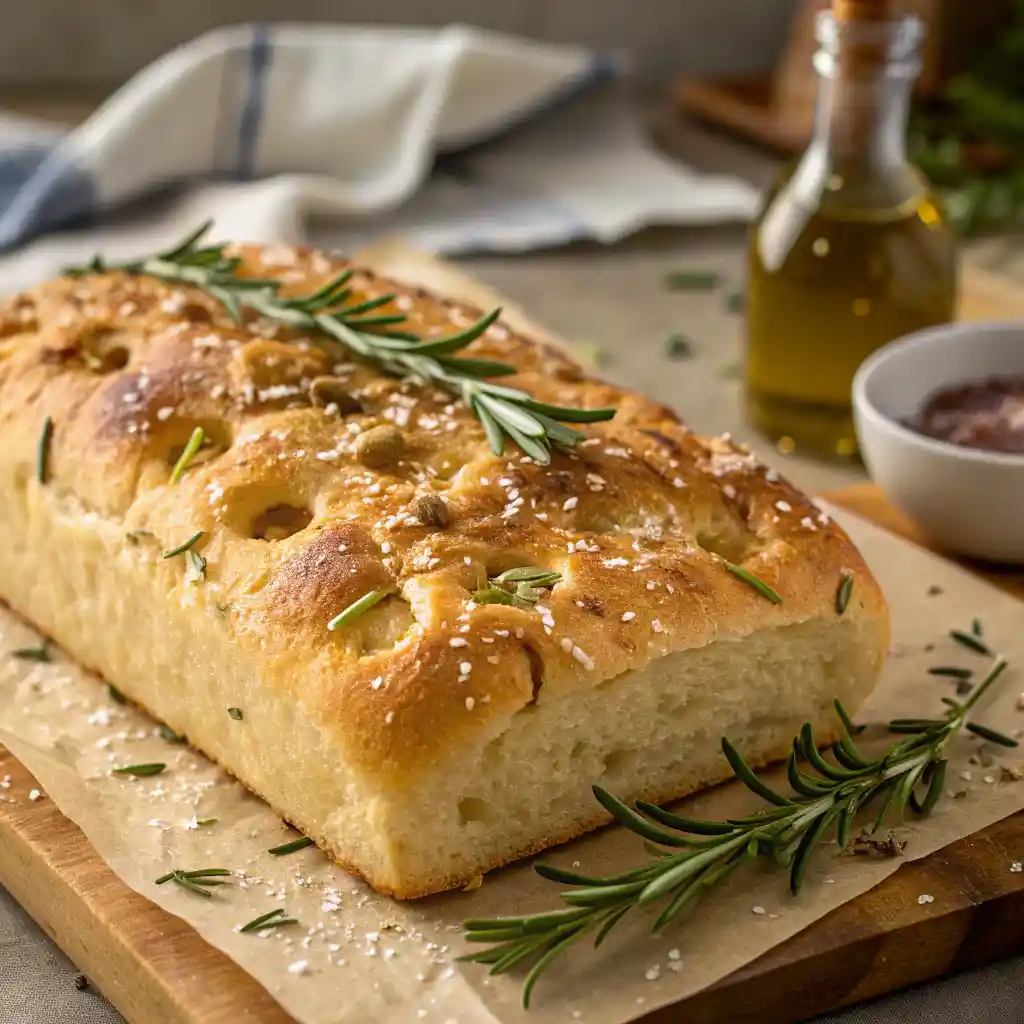
Bring the magic of homemade bread into your kitchen with this easy Focaccia Bread Recipe! Boasting a bubbly, airy center and a gorgeous golden, crisp crust, this fun baking project yields bakery-worthy results you’ll want to make again and again.
Why This Focaccia Bread Recipe Is Truly Special
This isn’t just any focaccia; this Focaccia Bread Recipe creates an unforgettable experience. I developed this recipe with busy home cooks in mind, making it incredibly approachable while still delivering restaurant-quality results. You’ll love how simple it is to achieve such a spectacular loaf.
- Effortless No-Knead Method: Forget heavy kneading! This recipe relies on time, not elbow grease, to develop gluten.
- Overnight Cold Proof: Our secret weapon for incredible depth of flavor and that signature airy, open crumb.
- Perfect Hydration: We use just the right amount of water for a wonderfully chewy interior and crispy exterior.
- Pure & Simple Flavors: Without added sugar, the natural sweetness of the wheat truly shines through.
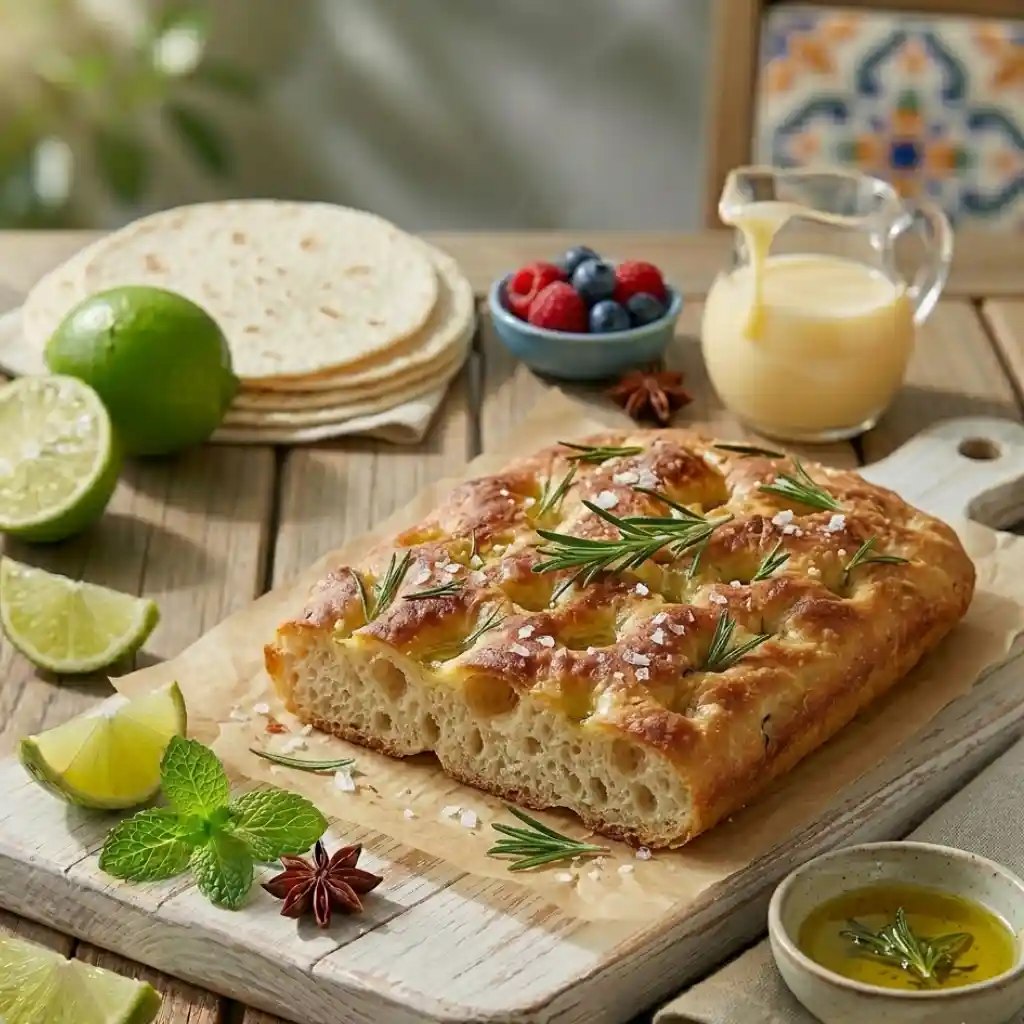
The Amazing Focaccia Bread Recipe
Ingredients
Equipment
Method
- In a large bowl, whisk together the flour, salt, and instant yeast. Add the water. Using a rubber spatula, mix until the liquid is absorbed and the ingredients form a sticky dough ball. Cover the bowl, and let rest for 30 minutes, then stretch and fold the dough — this is an optional new step (9/17/2025), but if time permits, do it: I find it makes for an especially bubby focaccia. Fill a small bowl with water. Using a wet hand, grab an edge of the dough and pull it up and towards the center. Repeat this stretching and folding process, 8 to 10 times, moving your hand around the edge of the dough with every set of stretches and folds. As you stretch and fold, you should feel the dough transform from being sticky and shaggy to smooth and cohesive. Find video guidance here.
- Rub the surface of the dough lightly with olive oil. Cover the bowl with a lid ( ideally) or plastic wrap and place in the refrigerator immediately for at least 12 hours or for as long as three days. (See notes above if you need to skip the overnight rise for time purposes.) NOTE: It is important the dough really be slicked with olive oil, especially if you are not using a hard lid. If you do not slick the dough with enough oil, you risk the dough drying out and forming a crust over the top layer.
- Line two 8- or 9-inch pie plates or a 9×13-inch pan (see notes above) with parchment paper or grease with butter or coat with nonstick cooking spray. (Note: This greasing step may seem excessive, but with some pans, it is imperative to do so to prevent sticking. With my USA pans, I can get away with olive oil alone; with my glass baking dishes, butter is a must.)
- Pour a tablespoon of oil into the center of each pan or 2 tablespoons of oil if using the 9×13-inch pan. Using two forks, deflate the dough by releasing it from the sides of the bowl and pulling it toward the center. Rotate the bowl in quarter turns as you deflate, turning the mass into a rough ball. Use the forks to split the dough into two equal pieces (or do not split if using the 9×13-inch pan). Place one piece into one of the prepared pans. Roll the dough ball in the oil to coat it all over, forming a rough ball. Repeat with the remaining piece. Let the dough balls rest for 3 to 4 hours depending on the temperature of your kitchen (Note: no need to cover for this room temperature rise).
- Set a rack in the middle of the oven and preheat it to 425°F. If using the rosemary, sprinkle it over the dough. Pour a tablespoon of oil over each round of dough (or two tablespoons if using a 9×13-inch pan). Rub your hands lightly in the oil to coat, then, using all of your fingers, press straight down to create deep dimples. If necessary, gently stretch the dough as you dimple to allow the dough to fill the pan. Sprinkle with flaky sea salt all over.
- Transfer the pans or pan to the oven and bake for 25 to 30 minutes, until the underside is golden and crisp. Remove the pans or pan from the oven and transfer the focaccia to a cooling rack. Let it cool for 10 minutes before cutting and serving; let it cool completely if you are halving it with the intention of making a sandwich.
- When it has completely cooled, transfer it to an airtight bag or vessel and store it at room temperature for up to 3 days. Otherwise, freeze it for up to 3 months. Always reheat it on subsequent days to revive its crust: 350ºF for 15 minutes.
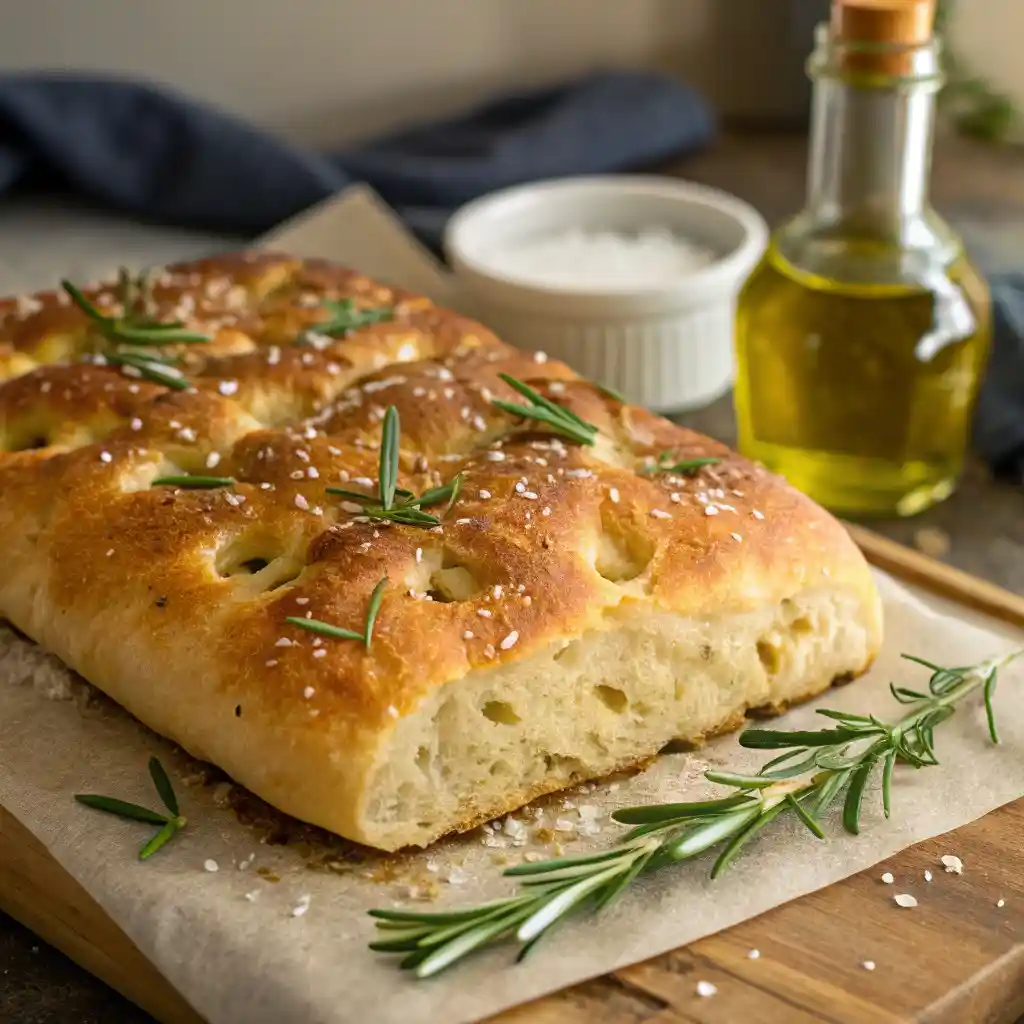
Ingredients for the Perfect Focaccia Bread
Creating delicious focaccia starts with understanding your ingredients. Each component plays a vital role in achieving that perfect texture and taste. Let’s dive into what makes this Focaccia Bread Recipe so wonderful.
- 4 cups (512 g) all-purpose flour or bread flour, see notes above
- 2 to 3 teaspoons (10 to 15 grams) kosher salt, see notes above
- 2 teaspoons (8 g) instant yeast, see notes above if using active dry
- 2 cups (455 g) lukewarm water, made by combining 1/2 cup boiling water with 1 1/2 cups cold water
- butter for greasing
- 4 tablespoons olive oil, divided
- flaky sea salt, such as Maldon
- 1 to 2 teaspoons whole rosemary leaves, optional.
For another easy chill-and-serve treat, try Easy Oreo Truffles.
Easy Step-by-Step Guide to Our Focaccia Bread Recipe
Making this Focaccia Bread Recipe is truly a joyful experience. I’ll walk you through each step, ensuring you feel confident and excited as you go. You don’t need a culinary degree; just a little patience and a warm kitchen!
The Magic of Mixing Your Dough
Whisk the flour, salt, and instant yeast together, then stir in the lukewarm water until a sticky, shaggy dough forms. For the best bubbly texture, I highly recommend an optional “stretch and fold”: let the covered dough rest for 30 minutes, then use a wet hand to pull and fold the edges into the center 8-10 times until the dough feels smooth and cohesive.You can find video guidance for this technique on YouTube.
The Overnight Cold Proof: Our Secret to Amazing Flavor
Now, for the really good part! Lightly rub the surface of your dough with olive oil. This prevents it from drying out in the fridge. Cover the bowl tightly with a lid or plastic wrap and immediately place it in the refrigerator for at least 12 hours, or up to three days. This long, slow, cold rise is what develops that incredible depth of flavor and unique airy texture in your focaccia. Don’t rush this step; the reward is truly worth the wait! Make sure the dough is properly oiled to avoid a dry crust forming.
Preparing Your Pan for Success
Proper pan preparation is key to preventing your beautiful focaccia from sticking. I like to line two 8- or 9-inch pie plates or a 9×13-inch pan with parchment paper. Then, I give it an extra layer of protection by greasing it with butter or coating it with nonstick cooking spray. Even with parchment, some pans (especially glass) can be stubborn, so this extra step is truly imperative! If you have USA pans, olive oil alone might do the trick, but for others, butter is a must.
The Second Rise and Those Gorgeous Dimples
Pour 1-2 tablespoons of olive oil into your baking pan. Gently deflate the dough with two forks to form a rough ball, transfer it to the pan, and turn it to coat completely in the oil. Let the dough rest uncovered at room temperature for 3-4 hours. Once the dough is soft and relaxed, drizzle with a little more oil and use oiled fingers to press deep dimples all over the surface, gently stretching the dough to fill the corners of the pan.
Baking Your Golden Focaccia
Preheat your oven to 425°F. Drizzle the dough with 1-2 tablespoons of olive oil, lightly oil your fingers, and press straight down to create deep dimples, gently stretching the dough to fill the pan. Sprinkle with rosemary and flaky sea salt, then bake on the middle rack for 25-30 minutes until the top is beautifully golden brown and the underside is crisp.
Cooling and Storing Your Masterpiece
Once baked, carefully remove the focaccia from the oven and transfer it to a cooling rack. Let it cool for at least 10 minutes before slicing and serving. This cooling time is essential for the texture to set. If you plan to make sandwiches, let it cool completely. For storage, once fully cooled, transfer your leftover focaccia to an airtight bag or container. It will keep beautifully at room temperature for up to 3 days. You can also freeze it for up to 3 months. To revive frozen or day-old focaccia, reheat it in an oven at 350°F for about 15 minutes; it makes all the difference for that crispy crust!
Pro Tips for the Best Homemade Focaccia
I want you to feel confident and successful with this Focaccia Bread Recipe! Here are a few extra pointers to help you achieve focaccia perfection every time.
Embrace the Stickiness
Focaccia dough is purposefully high in hydration, making it naturally quite sticky. Don’t be alarmed! This stickiness is what gives it that beautiful open, airy crumb. To handle it easily, simply wet your hands with water or lightly oil them with olive oil. A rubber spatula also works wonders for moving the dough around.
Don’t Skip the Stretch & Folds
While technically optional, I highly recommend incorporating the stretch and fold technique. It might seem like an extra step, but it significantly improves the dough’s strength and elasticity without needing to knead. This action develops the gluten, leading to a much more bubbly and airy final focaccia texture. Give it a try if time permits!
Pan Perfection Matters
Choosing the right pan can truly impact your focaccia. A 9×13-inch pan is fantastic for a larger, single slab of focaccia, while two 8- or 9-inch pie plates create beautiful round loaves. Darker metal pans tend to bake hotter and yield a crisper crust, so keep an eye on baking time. Glass dishes often require more thorough greasing.
The Art of Dimpling
Dimpling is more than just making pretty indentations. Use all your fingers and press firmly straight down, almost to the bottom of the pan. This creates those characteristic oil pockets on the surface and helps evenly distribute the toppings. As you dimple, you can gently stretch the dough to ensure it fills the pan edges completely.
Judging Doneness
Beyond a golden-brown top, look for a truly crisp underside to know your focaccia is perfectly baked. You can carefully lift a corner to check. If you tap the bottom of the focaccia, it should sound hollow. The internal temperature, if you’re using a thermometer, should reach around 200-210°F (93-99°C).
Troubleshooting Common Focaccia Bread Issues
Even seasoned bakers run into little bumps sometimes. Here are some common focaccia challenges and my go-to solutions to help you out.
My Dough Isn’t Rising!
If your dough seems sluggish, first check your yeast. Is it fresh and within its expiration date? Inactive yeast is the most common culprit. Also, ensure your water was lukewarm, not too hot or too cold. Your kitchen temperature matters, too; a warm spot encourages yeast activity. If it’s chilly, find a cozy corner.
My Focaccia Is Dense, Not Bubbly
A dense focaccia often means the dough didn’t get enough time to proof. Ensure you allowed sufficient time for both the cold proof and the room temperature rise. Over-handling the dough can also press out those precious air bubbles. Always be gentle when deflating and dimpling. Correct hydration is also key; measure your water carefully.
The Crust Is Too Hard/Burnt
This usually happens if your oven temperature is too high or the baking time is too long. Double-check your oven thermometer to ensure accuracy. Insufficient olive oil on top of the dough can also lead to a dry, hard crust. Don’t be shy with that beautiful oil drizzle before baking!
Dough Is Sticking to the Pan
Proper pan preparation is paramount. Always line your pan with parchment paper. On top of that, a thorough greasing with butter or nonstick spray, especially for glass or lighter metal pans, will ensure your focaccia releases beautifully. Generous olive oil in the pan also acts as a natural non-stick coating.
Focaccia Variations & Substitutions
Get creative with your Focaccia Bread Recipe! This versatile bread is a fantastic canvas for so many delicious additions.
| Variation Type | Ideas & Instructions |
|---|---|
| Herb & Topping Ideas | Sprinkle with fresh thyme, oregano, or a mix of Italian herbs. Add chopped sun-dried tomatoes, pitted Kalamata olives, thinly sliced garlic, or caramelized onions before dimpling. Cherry tomatoes, halved and pressed into the dough, are also beautiful. |
| Flour Variations | For a slightly nuttier flavor and denser texture, substitute up to 1 cup of the all-purpose flour with whole wheat flour. Using 100% bread flour will yield a chewier, more substantial focaccia. |
| Oil Infusions | Infuse your olive oil by gently heating it with garlic cloves, red pepper flakes, or fresh herbs for 10-15 minutes, then let it cool. Drizzle this flavored oil over the focaccia before baking for an extra layer of taste. |
| Cheese Additions | Add shredded Parmesan, crumbled feta, or small cubes of fresh mozzarella after dimpling for a cheesy focaccia. Be mindful that cheese can brown quickly, so keep an eye on it. |
How to Serve Your Delicious Focaccia Bread Recipe
This Focaccia Bread Recipe is incredibly versatile and shines in so many ways! It’s truly a celebration of simple, good food.
Serve warm slices as a delightful appetizer with a small bowl of high-quality olive oil for dipping, perhaps even a balsamic glaze alongside. It makes an incredible accompaniment to any pasta dish, hearty soup, or vibrant salad. For an elevated lunch, slice it horizontally and build epic slab sandwiches with your favorite deli meats, cheeses, and fresh veggies. You can even use it as a rustic pizza base by adding your favorite toppings and baking until bubbly.
Focaccia vs. Other Breads: What Makes It Unique?
While all bread is wonderful, focaccia holds a special place. Unlike ciabatta, which shares a similar open crumb but is typically baked freeform, focaccia is usually baked in a pan, giving it a uniform, dimpled surface. It’s much softer and richer than a traditional sandwich bread, thanks to its high hydration and generous olive oil content. It’s also distinct from pizza dough; while both are flat, focaccia is thicker, airier, and meant to be a standalone bread rather than just a base for toppings.
Frequently Asked Questions
Can I make this focaccia without an overnight rise?
You can, but it will affect the flavor and texture. If you’re short on time, let the dough rise at room temperature for 3-4 hours after mixing until doubled, then proceed with the recipe. The flavor won’t be as complex, and the crumb might be slightly less airy.
What’s the best pan for focaccia?
A 9×13-inch metal baking pan or two 8- or 9-inch round pie plates work wonderfully. Cast iron skillets also produce a fantastic crust. The key is thorough greasing and parchment paper to prevent sticking.
How do I store leftover focaccia?
Once completely cooled, store your focaccia in an airtight container or bag at room temperature for up to 3 days. Reheating it at 350°F for 10-15 minutes will bring back its crispy crust.
Can I freeze focaccia?
Absolutely! Wrap individual slices or a whole cooled focaccia tightly in plastic wrap, then aluminum foil. Freeze for up to 3 months. Thaw at room temperature and reheat in a 350°F oven for 15-20 minutes until crisp.
Conclusion
Baking this Focaccia Bread Recipe at home is one of life’s simple, delicious pleasures. I truly hope this guide empowers you to create your own bubbly, golden masterpiece. You don’t need to be an expert baker; just embrace the process, trust the dough, and enjoy the incredible aromas filling your kitchen. I can’t wait to hear how your focaccia turns out! Please leave a comment below with your baking adventures, any questions, or tag The Meal Craft on social media with photos of your beautiful creation. Happy baking!