Effortless Greek Salad Dressing: Your 5-Minute Flavor Booster!
Hi there, home cooks! You know those nights when you need a quick flavor win, something to liven up a simple salad or give a weeknight meal a little something extra? I’ve got you covered with my absolute favorite greek salad dressing. It comes together in about five minutes flat, making it a true weeknight hero.
Why This Recipe Is Your New Go-To
I know there are a million salad dressings out there, but trust me, this greek salad dressing is special. It’s my secret weapon for adding a burst of authentic Mediterranean flavor without any fuss. It’s equally at home brightening up a steakhouse wedge salad recipe.
- Speedy Simplicity: This recipe proves you don’t need hours to create something incredibly delicious. In just 5 minutes, you’ll have a vibrant dressing ready to go.
- Perfectly Balanced Flavor: It hits all the right notes – tangy, savory, and herbaceous – with a beautiful emulsification that coats everything perfectly.
- Incredibly Versatile: While it’s sensational on a classic Greek salad, its uses go far beyond that! I love it as a marinade, a dip, or drizzled over roasted veggies.
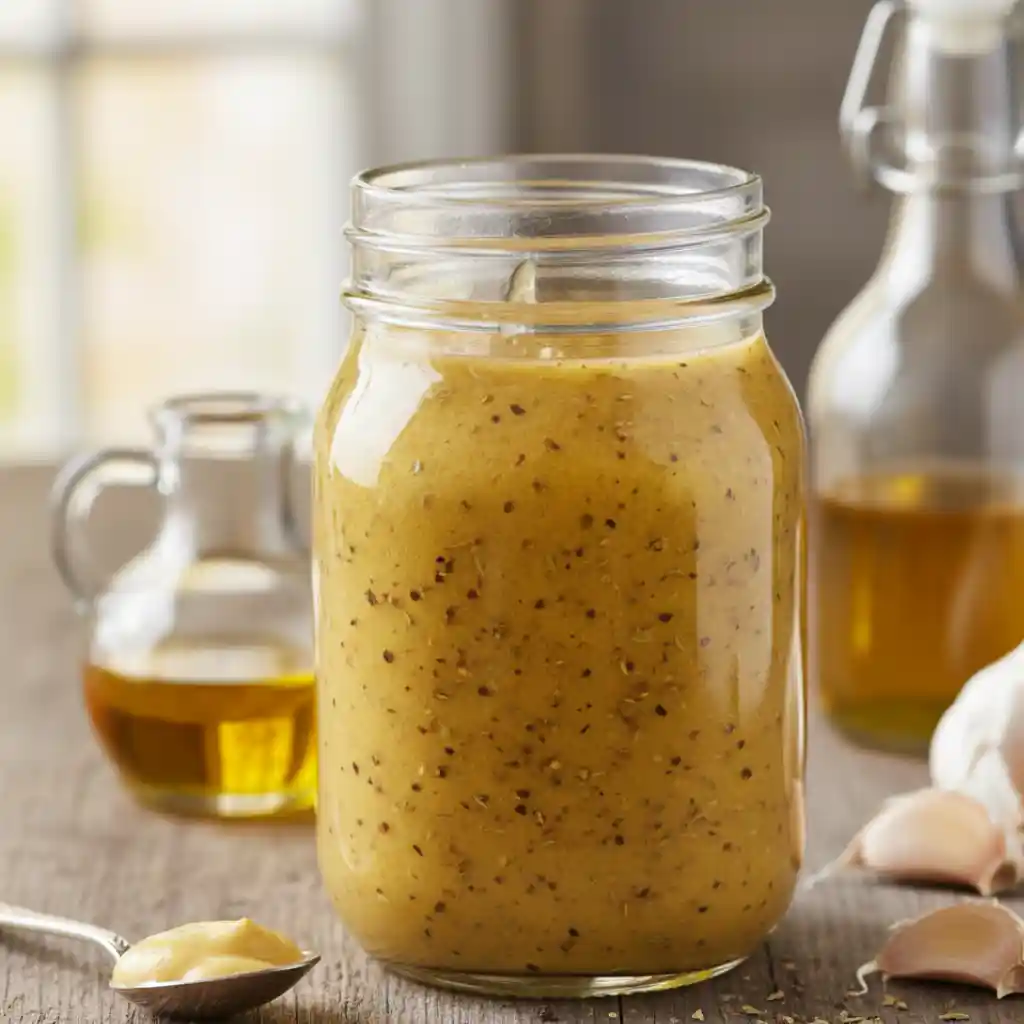
5-Minute Greek Salad Dressing
Ingredients
Equipment
Method
- In a small bowl, whisk together ¼ cup extra-virgin olive oil, 3 tablespoons apple cider vinegar, 1 minced garlic clove, ½ teaspoon dried oregano (plus more for sprinkling later), ¼ teaspoon Dijon mustard, and ¼ teaspoon sea salt.
- Add several grinds of freshly ground black pepper.
- Whisk vigorously until the ingredients are well combined and the dressing has a slightly thickened, emulsified consistency. You’ll see it become a bit creamy and opaque.
- Alternatively, you can combine all ingredients in a small mason jar, screw on the lid tightly, and shake vigorously until emulsified. For an even creamier, more stable dressing, an immersion blender can work wonders!
Notes
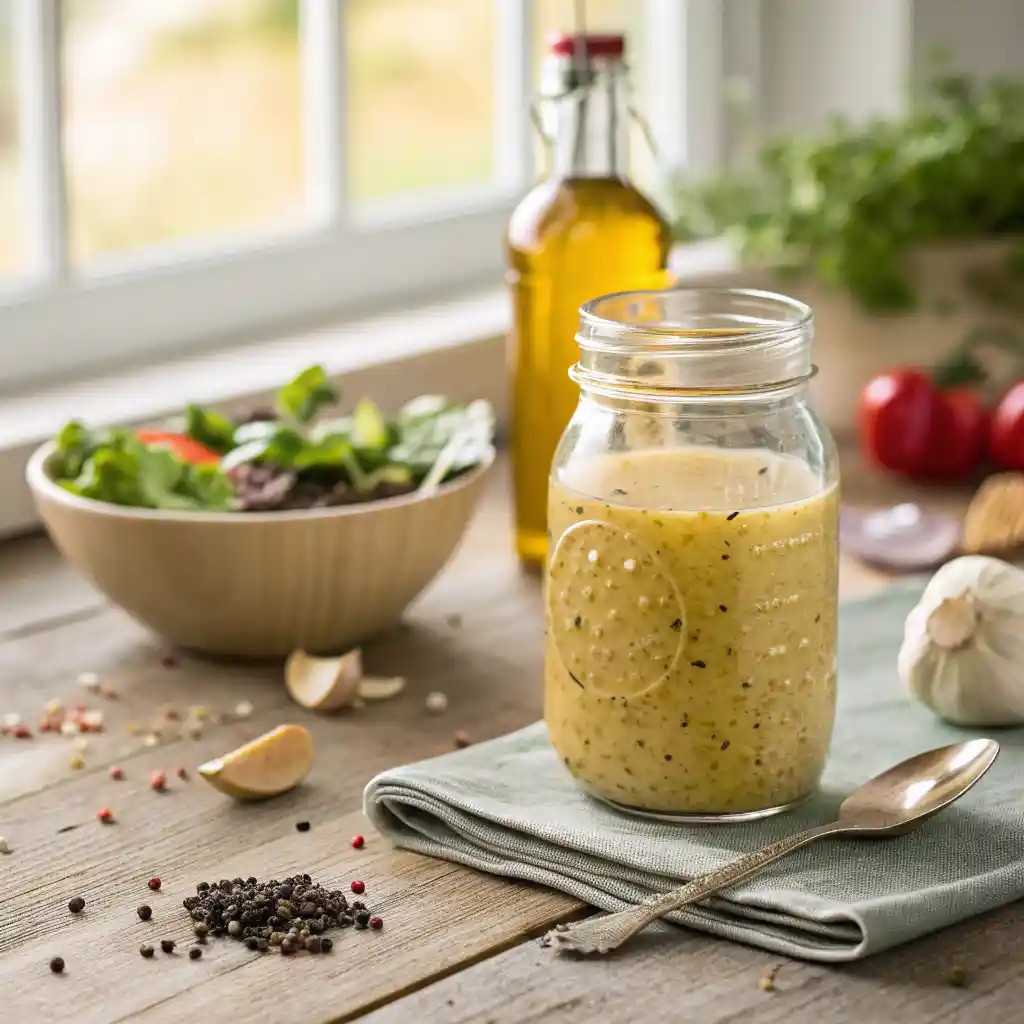
A Closer Look at Our Star Ingredients
The magic of this greek salad dressing lies in the simplicity and quality of its components. Each ingredient plays a crucial role in building that signature Mediterranean taste.
- Extra-Virgin Olive Oil: I always reach for extra-virgin olive oil because its fruity, peppery notes add a depth of flavor that regular olive oil just can’t match. It forms the rich, satisfying base of our dressing.
- Apple Cider Vinegar: This provides the essential tangy backbone. Its crisp acidity cuts through the richness of the oil and brightens up all the other flavors.
- Garlic: A single, finely minced garlic clove brings a fresh, pungent kick that’s crucial for authentic Greek flavor. Don’t skip this one!
- Dried Oregano: This is the quintessential herb of Greek cuisine. Its earthy, slightly sweet aroma is unmistakable and truly defines this greek salad dressing. A little extra for sprinkling never hurt anyone!
- Dijon Mustard: This is my little secret for a perfectly smooth, stable dressing. Dijon acts as an emulsifier, helping the oil and vinegar blend beautifully and stay that way.
- Sea Salt & Black Pepper: These simple seasonings are flavor enhancers, bringing out the best in every other ingredient and creating a well-rounded taste.
How to Make the Best Greek Salad Dressing
Whipping up this delightful greek salad dressing is as easy as whisking a few ingredients together. Seriously, it’s that simple!
- In a small bowl, whisk together ¼ cup extra-virgin olive oil, 3 tablespoons apple cider vinegar, 1 minced garlic clove, ½ teaspoon dried oregano (plus more for sprinkling later), ¼ teaspoon Dijon mustard, and ¼ teaspoon sea salt.
- Add several grinds of freshly ground black pepper.
- Whisk vigorously until the ingredients are well combined and the dressing has a slightly thickened, emulsified consistency. You’ll see it become a bit creamy and opaque.
Alternatively, you can combine all ingredients in a small mason jar, screw on the lid tightly, and shake vigorously until emulsified. For an even creamier, more stable dressing, an immersion blender can work wonders!
Troubleshooting Common Greek Salad Dressing Problems
Sometimes, even the simplest recipes can hit a little snag. Don’t worry, I’m here to help you navigate any kitchen hiccups!
- The Dressing Separated: This can happen if the mixture sits for a while or wasn’t whisked vigorously enough. Just whisk again or give the jar a good shake to bring it back together.
- Too Acidic/Not Acidic Enough: Taste as you go! If it’s too tangy, whisk in a tiny bit more olive oil. If it needs more zip, add a splash more apple cider vinegar.
- Garlic Flavor Too Strong: If you find raw garlic a bit overpowering, try mincing it very finely and letting it sit in the vinegar for about 10 minutes before adding the other ingredients. This mellows the flavor beautifully.
Mastering Emulsification: Tips for a Stable Dressing
Emulsification might sound fancy, but it’s just a fancy word for getting oil and vinegar to blend together smoothly. It’s the key to a dressing that coats your salad perfectly and doesn’t separate into layers.
The magic happens because of ingredients like Dijon mustard, which have properties that help bind the oil and water-based ingredients. When you whisk or shake vigorously, you’re breaking the oil into tiny droplets and dispersing them throughout the vinegar. Using good quality extra-virgin olive oil can also help create a richer, more stable emulsion. For the most stable greek salad dressing, I recommend whisking well right before serving, or using the jar-shaking method.
Creative Variations to Elevate Your Dressing
Ready to play with your greek salad dressing? Here are some fun ways to switch things up and add even more flavor!
| Variation Idea | Description |
|---|---|
| Herbal Infusion | Add fresh chopped parsley, dill, or mint for a brighter, fresher taste. |
| Spicy Kick | Include a pinch of red pepper flakes or a dash of hot sauce for some heat. |
| Lemon Zest Twist | Add the zest of ½ a lemon for an extra layer of citrusy brightness. |
| Garlic Lovers | Roast the garlic clove before mincing for a sweeter, milder garlic flavor. |
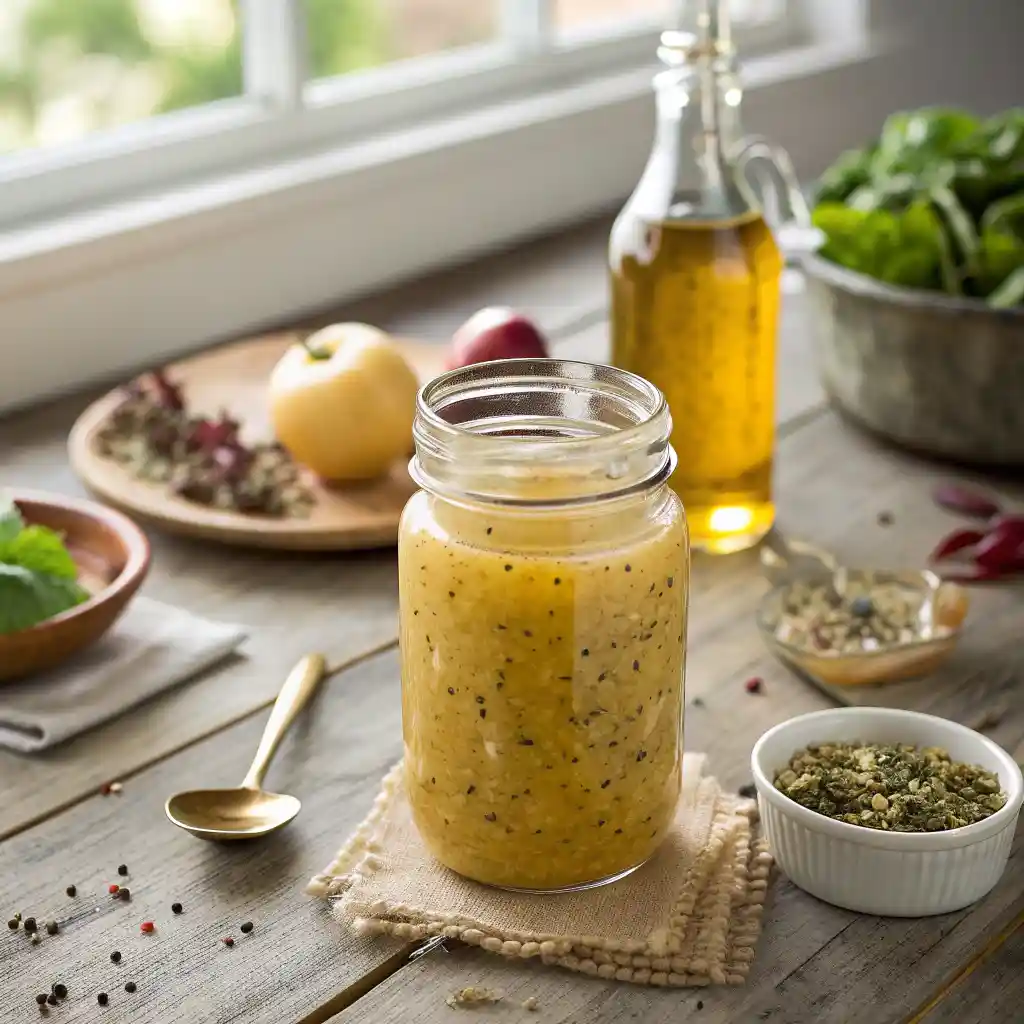
Adjusting Dressing Consistency for Every Use
The beauty of a homemade greek salad dressing is its adaptability! Need it thicker for a dip or thinner for drizzling? Easy peasy. For dunking, pair a slightly thicker batch with amazing no knead bread.
- For a Thicker Dressing: Whisk in a little more Dijon mustard, or add a tiny bit of honey or maple syrup (this also adds a touch of sweetness). You can also let it sit for a bit longer; the ingredients will naturally meld.
- For a Thinner Dressing: Simply whisk in a tablespoon or two of water or a splash more apple cider vinegar until you reach your desired consistency.
Versatile Uses Beyond Salads
While this dressing is undeniably fantastic on a Greek salad, don’t limit its potential! This versatile greek salad dressing is a flavor powerhouse for so many dishes. For a foolproof protein pairing, serve it alongside this juicy marinated chicken.
- Marinade: Use it to marinate chicken, fish, or lamb before grilling or roasting. The acidity tenderizes the meat while the olive oil and herbs infuse it with flavor.
- Dip: Serve it as a dip for fresh vegetables like cucumber slices, bell pepper strips, and cherry tomatoes. It’s a healthy and flavorful alternative to creamy dips.
- Roasted Vegetable Drizzle: Toss roasted vegetables like broccoli, potatoes, or zucchini with a generous amount of this dressing after they come out of the oven.
- Grain Bowls: Drizzle it over quinoa or farro bowls for an instant flavor boost.
Storage and Make-Ahead Best Practices
Making this greek salad dressing ahead of time is a fantastic way to save time during busy weeknights. Store it in an airtight container, like a mason jar with a tight-fitting lid, in the refrigerator.
It should stay fresh for up to 1-2 weeks. Before using, give it a good shake or whisk, as some separation is natural. Signs that your dressing has gone bad include an off smell, a cloudy or slimy appearance, or any visible mold. I don’t recommend freezing this dressing, as the texture can change significantly upon thawing.
Nutritional Nuances and Benefits
This simple greek salad dressing is packed with goodness! Extra-virgin olive oil is celebrated for its heart-healthy monounsaturated fats and antioxidants. Oregano offers its own set of antioxidants and anti-inflammatory properties. Combined with the simple ingredients, it’s a dressing you can feel good about enjoying.
Frequently Asked Questions
Can I use a different type of vinegar? Absolutely! White wine vinegar or red wine vinegar are excellent substitutes that will give your greek salad dressing a slightly different, but equally delicious, flavor profile.
How much dried oregano is equivalent to fresh? Generally, you’ll use about one-third the amount of dried herbs compared to fresh. So, if a recipe calls for 1 tablespoon of fresh oregano, use about 1 teaspoon of dried.
Is it okay to make this dressing ahead of time? Yes, definitely! This greek salad dressing is perfect for making ahead. Store it in an airtight container in the refrigerator for up to two weeks. Just remember to shake or whisk it well before serving.
Conclusion
And there you have it – a ridiculously easy, incredibly flavorful greek salad dressing that will elevate your meals in minutes! This recipe is proof that simple, wholesome ingredients can create something truly spectacular. I hope you’ll give this greek salad dressing a try and discover its magic for yourself. Don’t be shy – leave a comment below to let me know how you used it, or if you have any questions! Happy cooking!