Hi friend, today we’re diving into a romanesco recipe that’s equal parts cozy and impressive. This fractal stunner looks fancy, cooks fast, and tastes like broccoli and cauliflower met, then decided to glow up. I’ll show you exactly how to break it down, roast it to caramelized perfection, and try other easy methods too. Whether you’re a veggie newbie or a farmers’ market fan, this guide gives you several ways to prepare this unique vegetable with confidence.
Table of Contents
What is Romanesco?
Romanesco is a cruciferous vegetable in the brassica family, related to broccoli and cauliflower. Picture a lime-green cone made of tiny spirals that repeat into smaller spirals. That mesmerizing fractal pattern makes it a showpiece on any table. Flavor-wise, it tastes mild and slightly nutty with a gentle sweetness. Texture-wise, it stays firmer than cauliflower when cooked, which means bite without mush.
You can use it anywhere you’d use broccoli or cauliflower, but it shines when you roast it, stir-fry it, or tuck it into pasta. I love it because it cooks quickly and plays well with bold flavors like lemon, garlic, miso, and chili. If you’re hunting for a fresh twist on weeknight veg, a romanesco recipe keeps things simple yet special. Try this romanesco recipe when you want a side that feels fresh, fun, and just a little fancy.
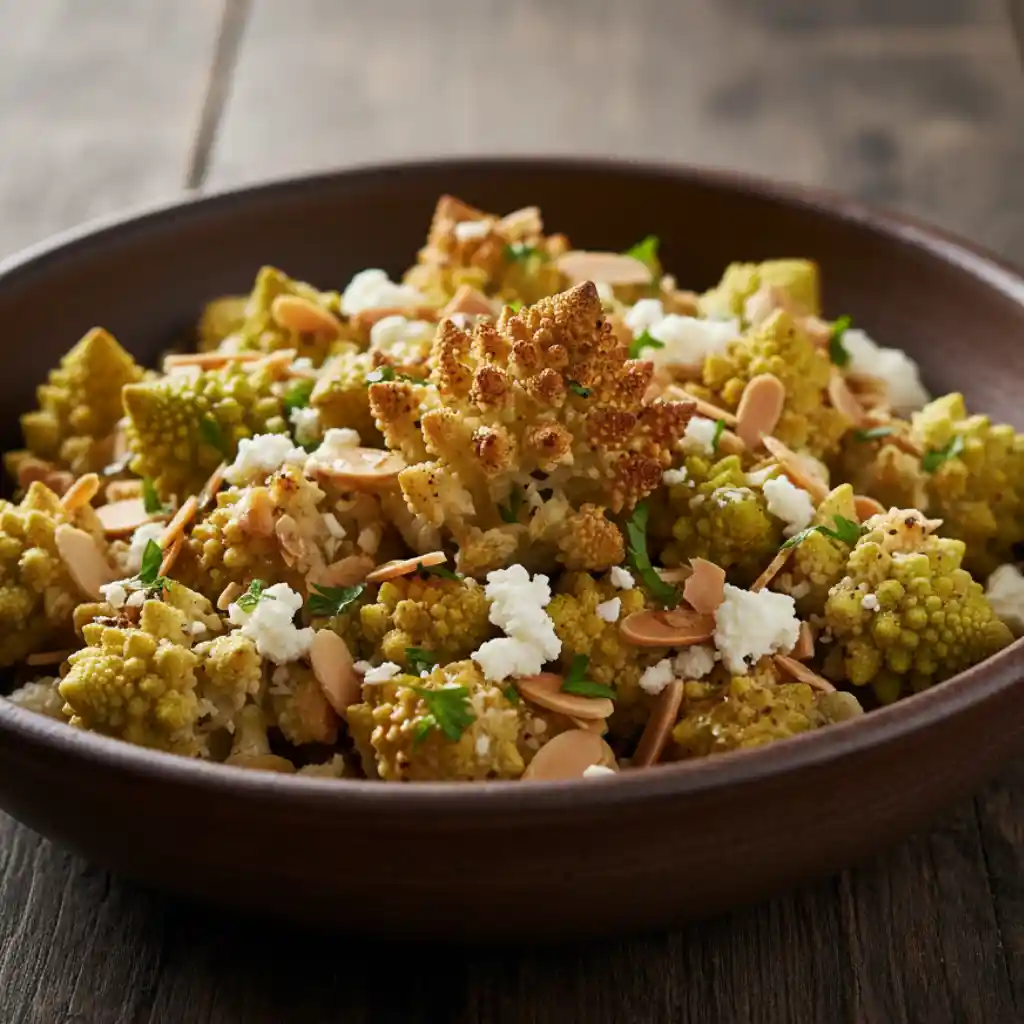
Irresistible Romanesco Recipe: A Stunning Feast
Ingredients
Equipment
Method
- Preheat oven to 425 degrees Fahrenheit. Line a baking sheet with parchment paper.
- Place florets on the parchment paper and drizzle with olive oil and crushed garlic. Mix everything around with a spatula.
- Grate the lemon zest over these cruciferous beauties and sprinkle with sea salt and pepper.
- Bake for ~20 minutes, or until tender and browned.
- Serve warm, topped with more lemon zest to taste.
Notes
How to Prepare Romanesco Florets
Prepping Romanesco looks tricky, but it’s simple once you know where to cut. I promise you’ll feel like a pro in minutes.
- Rinse and dry. Give the head a good rinse under cool water, then pat it very dry so it roasts instead of steams.
- Remove leaves. Pull off the outer leaves with your hands or trim them with a small knife.
- Cut the core. Set the head upside down. Use a chef’s knife to cut around the thick central core in a cone shape, then pop it out.
- Break into florets. Turn it upright and gently separate florets with your hands. If needed, slice larger clusters at their stems to keep the pretty spiral tips intact.
- Trim to size. Aim for evenly sized florets about 1.5 inches wide so everything cooks at the same rate.
- Optionally halve. For extra caramelization, cut very large florets in half lengthwise to expose more surface area.
- Dry again if needed. If moisture beads up, pat dry once more. Dry florets brown better and stay crisp on the edges.
Tip: Add a quick photo sequence or a short GIF if you’re a visual learner. Seeing where to cut around the core makes it click. Once you prep it this way, any romanesco recipe will feel easy and repeatable.
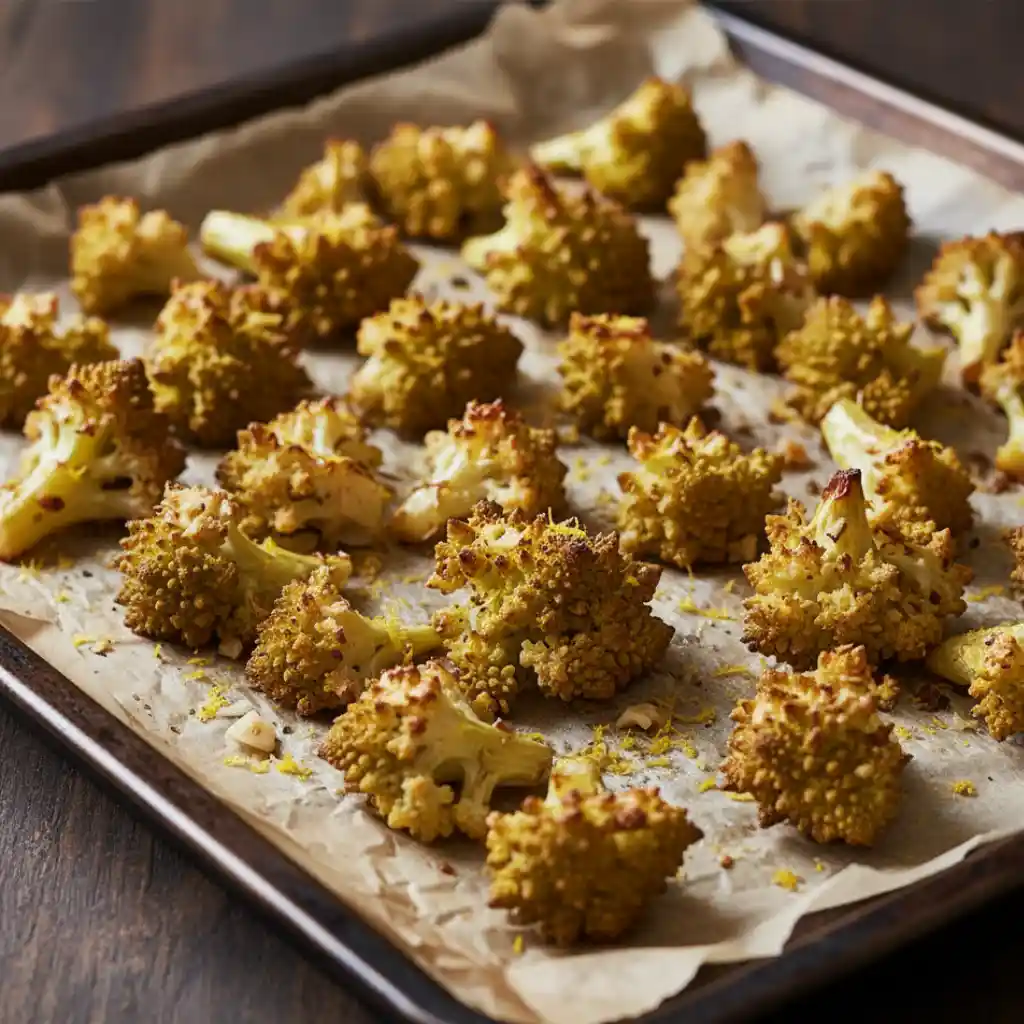
Delicious Roasted Romanesco Recipe
Roasting brings out Romanesco’s nutty sweetness and gives you those crisp, golden edges. This romanesco recipe is my go-to side for busy nights, and it delivers big flavor from a tiny list.
Ingredients
For this romanesco recipe, you’ll need:
- 2 cups romanesco florets (approximately 1 head)
- 2 tbsp extra virgin olive oil
- 6 cloves garlic (minced)
- 2 tsp lemon zest (plus a little more, to taste)
- Sea salt and ground black pepper (to taste)
For other comforting dish ideas, you might enjoy our Comfort Scalloped Potatoes Recipe.
Instructions
Follow this romanesco recipe exactly for best results.
- Preheat oven to 425 degrees Fahrenheit. Line a baking sheet with parchment paper.
- Place florets on the parchment paper and drizzle with olive oil and crushed garlic. Mix everything around with a spatula.
- Grate the lemon zest over these cruciferous beauties and sprinkle with sea salt and pepper.
- Bake for ~20 minutes, or until tender and browned.
- Serve warm, topped with more lemon zest to taste.
Health Benefits of Romanesco
I love a veggie that tastes great and treats your body kindly. Romanesco packs Vitamin C, which supports your immune system and helps collagen formation. You also get Vitamin K for bone health and blood clotting, plus folate for cell growth and repair. The fiber keeps digestion moving and helps you feel satisfied. Romanesco’s nutritional benefits are a great reason to include it in your diet.
Like other brassicas, Romanesco delivers antioxidants such as carotenoids and compounds like sulforaphane. These support cellular health and may help reduce oxidative stress. Keep the cooking simple and avoid overcooking to preserve its nutrients. A straightforward romanesco recipe like this roasted version checks both boxes: great flavor and practical nutrition.
Exploring Other Cooking Methods
Roasting isn’t your only path. If you want softer textures or fast stovetop options, try these simple methods.
- Steamed. Set a steamer basket over simmering water. Add florets and steam 4 to 6 minutes until bright green and just tender. Toss with olive oil, lemon, and herbs. Great for meal prep and gentle flavors.
- Sautéed. Heat 1 to 2 tablespoons of olive oil in a large skillet over medium-high heat. Add florets with a pinch of salt and cook 6 to 8 minutes, stirring occasionally, until browned in spots and crisp-tender. Finish with garlic in the last minute so it doesn’t burn.
- Blanched. Boil salted water. Drop florets in for 2 to 3 minutes until just tender, then move to an ice bath. Dry well. Toss into salads, pasta, or stir-fries. This method locks in color and prevents overcooking later.
These techniques give you flexibility, whether you want a quick side, a pasta add-in, or a crunchy salad topper. You can jump between methods depending on your mood or the romanesco recipe you plan to serve. Learn more about different ways to cook romanesco to expand your culinary repertoire.
Flavor Pairings and Variations
Romanesco loves bold flavors and creamy sauces. Treat it like a blank canvas and have fun mixing spice, acid, and crunch. Use the pairings below to spin this simple base into fresh variations.
| Flavor idea | What to add | How to use |
|---|---|---|
| Smoky paprika | Smoked paprika, garlic, olive oil | Toss before roasting for a smoky edge. |
| Miso maple | White miso, maple syrup, rice vinegar | Whisk into a glaze and drizzle after roasting. |
| Curry crunch | Curry powder, cumin, toasted almonds | Coat florets pre-roast, finish with nuts for texture. |
| Harissa heat | Harissa paste, lemon, cilantro | Thin harissa with oil and toss warm florets. |
| Za’atar lemon | Za’atar, lemon juice, olive oil | Sprinkle after cooking to keep herbs bright. |
| Chili crisp | Chili crisp, scallions, sesame seeds | Spoon over hot florets for spicy crunch. |
| Tahini lemon | Tahini, lemon, warm water, garlic | Blend into a creamy sauce and drizzle generously. |
| Parmesan herb | Parmesan, parsley, black pepper | Shower over hot florets so it melts slightly. |
| Chimichurri | Parsley, oregano, garlic, vinegar, oil | Spoon onto roasted florets for herby zing. |
| Capers and dill | Capers, dill, lemon zest | Toss with warm florets for briny brightness. |
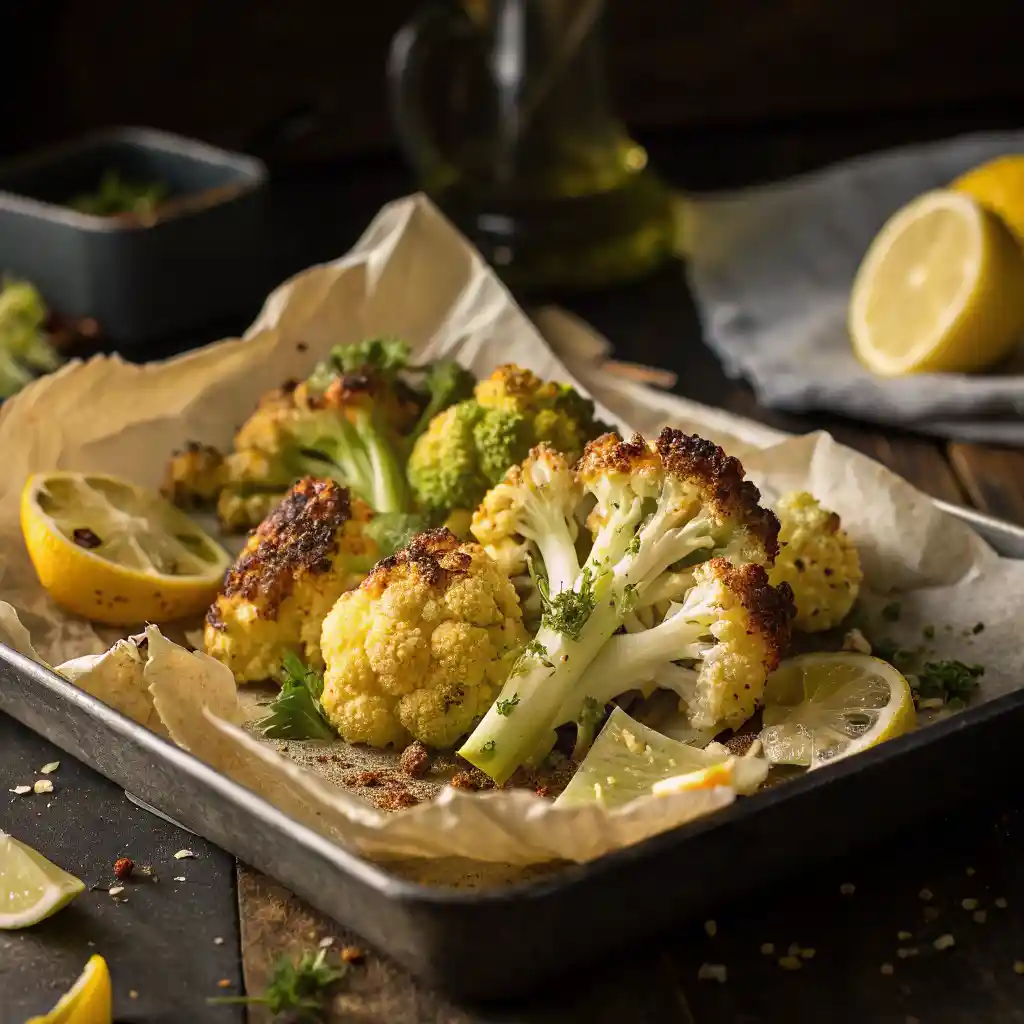
Serving Suggestions
Romanesco fits with so many meals. I serve it alongside roasted chicken thighs, grilled pork tenderloin, or pan-seared salmon. It also loves lamb meatballs or lemony shrimp. For plant-forward plates, pair it with crispy chickpeas, baked tofu, or lentil patties.
Build bowls with farro or quinoa, a creamy sauce, and roasted romanesco. Toss florets into garlicky pasta with olive oil and red pepper flakes. Add to tacos with avocado and pickled onions. Try it on flatbreads with ricotta and honey. However you serve it, a romanesco recipe brings color and character to the plate.
Conclusion
Romanesco brings beauty, nutrition, and weeknight-friendly cooking to your table. With its nutty flavor, crisp-tender bite, and easy prep, you can roast it, steam it, or toss it into salads and pasta without fuss. If you try this romanesco recipe, leave a comment, ask a question, or share your twist so we can all learn together. I love seeing your creative spins. Tag me and tell me how you served it. Happy cooking, friend.
Frequently Asked Questions
- What does Romanesco taste like? It tastes like a mild, slightly nutty cross between broccoli and cauliflower with sweet notes.
- When is Romanesco in season? You’ll often see it in fall through early winter, though some markets carry it longer.
- How do I pick a good one? Look for firm, tightly packed spirals, vibrant green color, and fresh-looking stems with no browning.
- How should I store it? Keep it unwashed in the crisper, loosely wrapped, then use within 4 to 5 days for the best romanesco recipe results.
- Can I eat Romanesco raw? Yes. It’s delicious raw with dips, in salads, or thinly shaved with lemon and olive oil.